
When it comes to wire mesh, two main types stand out: woven and welded. Each type has its own production methods, uses, and costs. Yet they are all made by mesh welding machines. Today we are going to share with you how each type is made, where they are commonly used, like construction and automotive and how their prices compare. By the end, you’ll have a clearer idea of which type of wire mesh is best for your needs.
Key Takeaways
- Woven wire mesh is flexible and ideal for filtration and particle analysis.
- Welded wire mesh is stronger and better for heavy-duty applications like fencing.
- Production methods differ: the woven mesh is automated, while the welded mesh is more hands-on.
- Cost varies, with woven mesh generally being cheaper due to lower production complexity.
- Both types can be customized with different materials and coatings for specific needs.
Woven Wire Mesh
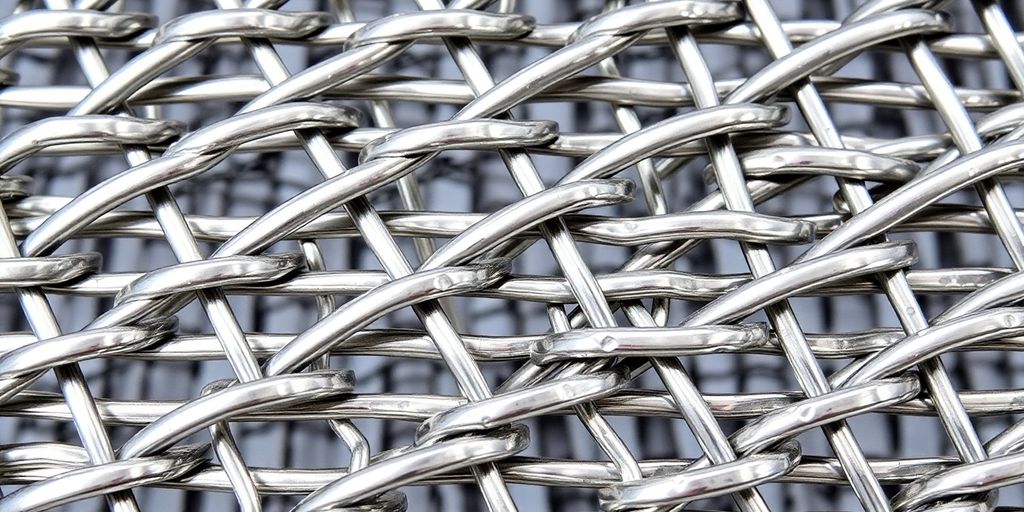
One of the key advantages of woven wire mesh is its flexibility. Woven wire mesh panels can be bent, cut, or formed into various shapes, making them ideal for applications that require contouring or irregular shapes. This malleability sets woven wire mesh apart from rigid materials like welded wire mesh or metal sheets.
Woven wire mesh is also capable of achieving very small opening sizes or mesh counts. The weaving process allows for extremely fine wires to be tightly interwoven, creating openings as small as a few microns in size. This makes woven mesh well-suited for applications requiring precise filtration or separation of tiny particles.
Due to the interwoven nature of the wires, woven wire mesh typically has a smoother surface finish compared to welded wire mesh. This smooth texture can be advantageous for applications where minimizing snags or abrasion is important.
Woven Wire Mesh Manufacturing Process
Woven wire mesh is made by interlacing thin metal wires in a crisscross pattern. The process involves:
- Choosing the Right Material: Common materials include mild steel, stainless steel, and aluminum. Sometimes, wires are coated for extra protection.
- Setting Up the Loom: The loom is prepared to weave the wires together.
- Weaving: The wires are woven together using different patterns, such as plain weave or twill weave, to create the desired mesh.
When to Use Woven Wire Mesh
Woven wire mesh is used in many areas due to its strength and flexibility. Some common applications include:
- Filtration: Used in air and liquid filters.
- Construction: Reinforces concrete and supports plaster walls.
- Security: Used in fencing and to secure perimeters.
Advantages of Woven Wire Mesh
Woven wire mesh offers several benefits:
- Flexibility: It can easily adapt to different shapes and surfaces.
- Versatility: Suitable for various applications, from industrial to decorative uses.
- Strength: Provides reliable support and durability in demanding environments.
Woven wire mesh is not just a functional material; it also adds aesthetic value to many designs, making it a popular choice in architecture and construction.
Welded Wire Mesh
How Welded Wire Mesh is Made
Welded wire mesh is created by joining steel wires at their intersections using welding techniques. The process involves:
- Threading spools of wire into a specialized machine.
- Straightening and cutting the wires to the desired length.
- Welding the wires together at each intersection to form a strong grid.
This method ensures that the mesh has consistent openings and a sturdy structure.
Common Uses of Welded Wire Mesh
Welded wire mesh is used in various applications due to its strength and durability. Some common uses include:
- Fencing for security and protection.
- Reinforcement in concrete structures.
- Animal enclosures to keep pets and livestock safe.
Benefits of Welded Wire Mesh
Welded wire mesh offers several advantages:
- High strength-to-weight ratio, making it lightweight yet strong.
- Stability under pressure, ensuring it maintains its shape.
- Low maintenance, as it is resistant to wear and tear.
Welded wire mesh is a reliable choice for projects that require a strong and stable material. Its durability makes it suitable for both industrial and residential applications.
Comparing Strength and Durability
Strength of Woven Wire Mesh
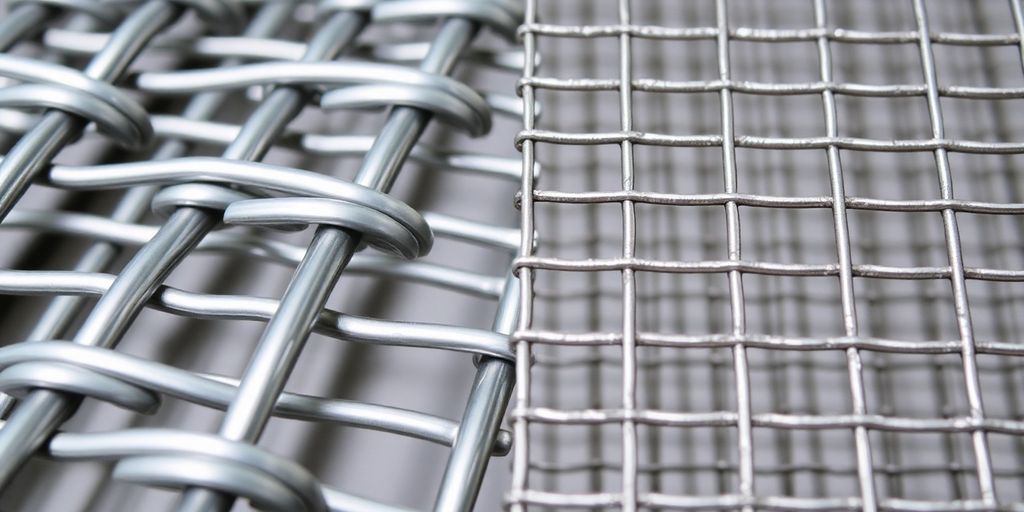
Woven wire mesh is known for its flexibility and ability to adapt to different shapes. It can bend and twist, making it suitable for uneven surfaces. Here are some key points about its strength:
- Good tensile strength, allowing it to resist impacts.
- Ideal for dynamic applications where movement is common.
- Can be used in decorative designs due to its intricate patterns.
Durability of Welded Wire Mesh
Welded wire mesh is strong and rigid, making it a great choice for heavy-duty applications. Its durability comes from:
- Welded connections at each intersection, providing stability.
- Maintains its shape under pressure, which is essential for construction and security uses.
- Less prone to deformation, ensuring a longer lifespan in static applications.
Choosing the Right Mesh for Your Needs
When deciding between woven and welded wire mesh, consider the following:
- Purpose: What will the mesh be used for? Structural support or decorative purposes?
- Environment: Will it be exposed to constant movement or heavy loads?
- Maintenance: How much upkeep are you willing to do?
In summary, both woven and welded wire mesh have their strengths and weaknesses. The right choice depends on your specific project needs.
Cost Analysis of Woven vs Welded Wire Mesh
Factors Affecting Cost
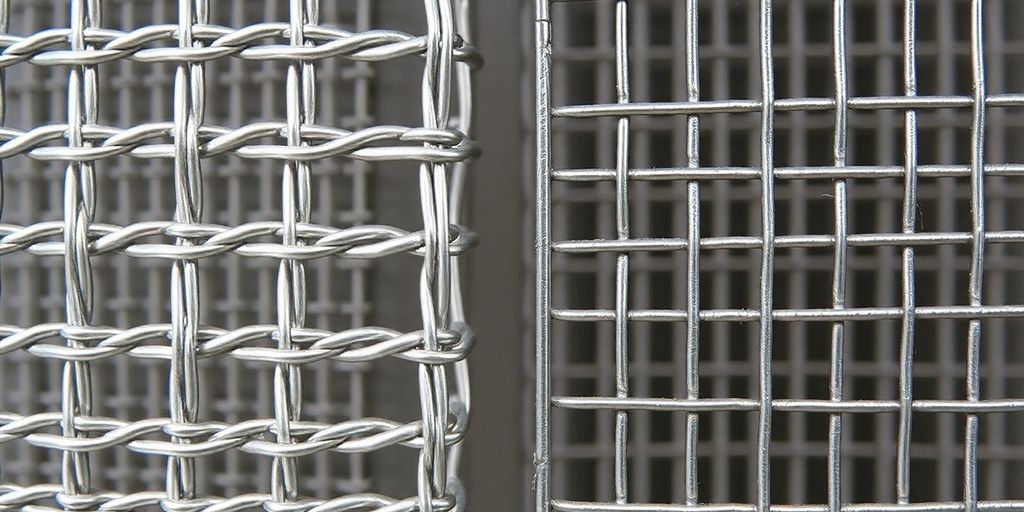
- Production Method: Woven wire mesh is mostly made using automated machines, which lowers production costs. In contrast, welded wire mesh requires more manual labor, increasing costs.
- Material Type: The type of wire used can affect the price. Stainless steel is often more expensive than mild steel.
- Mesh Size and Thickness: Larger and thicker meshes generally cost more due to the increased amount of material needed.
Cost Comparison
| Type of Wire Mesh | Average Cost per Square Foot | Production Method |
|---|---|---|
| Woven Wire Mesh | $0.50 – $1.50 | Automated |
| Welded Wire Mesh | $1.00 – $3.00 | Manual + Automated |
Material and Labor Costs
- Woven Wire Mesh: Lower labor costs due to automation, making it a budget-friendly option for many projects.
- Welded Wire Mesh: Higher labor costs because of the hands-on welding process, leading to a higher overall price.
In summary, while woven wire mesh is generally cheaper due to its automated production, welded wire mesh offers greater strength and durability, which may justify its higher cost for certain applications.
Applications in Various Industries
Construction Industry
Woven and welded wire mesh are widely used in construction. They provide essential support and safety in various structures. Here are some common applications:
- Reinforcement in concrete structures
- Safety barriers and fencing
- Infill panels for walls and ceilings
Agriculture Sector
In agriculture, wire mesh plays a crucial role in protecting crops and livestock. Some uses include:
- Fencing for animal enclosures
- Support for climbing plants
- Protection against pests and birds
Art and Craft Uses
Wire mesh is also popular in the art world. Artists use it for:
- Creating sculptures and installations
- Making decorative items
- Crafting functional art pieces
Wire mesh is not just a practical material; it also inspires creativity in various artistic expressions.
Material Availability and Customization
Common Materials Used
When it comes to wire mesh, several materials are commonly used:
- Stainless Steel: Known for its resistance to rust, making it great for outdoor use.
- Galvanized Steel: Coated with zinc to prevent corrosion, ideal for various applications.
- Brass: Offers a unique look and is often used in decorative projects.
Customization Options
Customization is key for many projects. Here are some options:
- Wire Diameter: Choose the thickness of the wire based on strength needs.
- Mesh Size: Adjust the size of the openings to fit specific requirements.
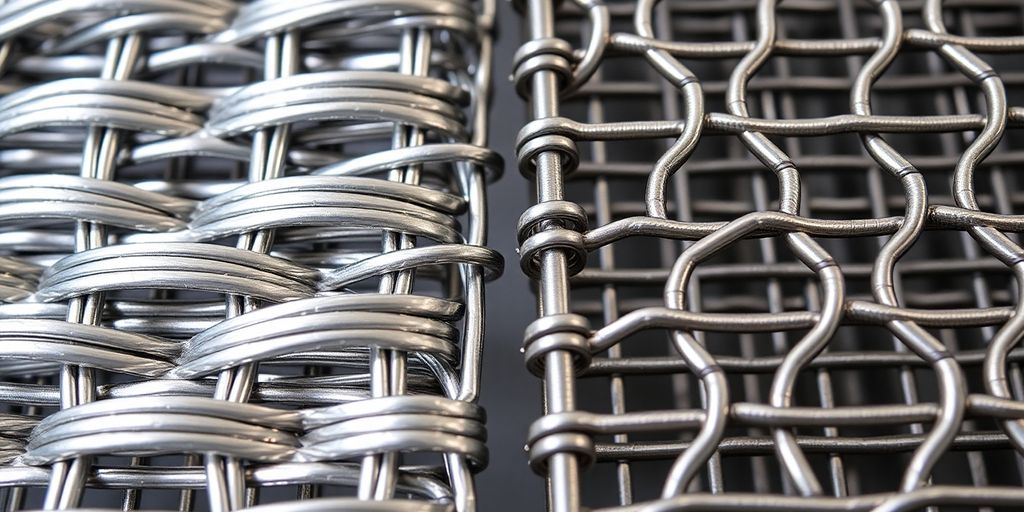
- Weave Type: Select from different weaving patterns for unique applications.
Coating and Protection
Coatings can enhance the durability of wire mesh. Common options include:
- PVC Coating: Provides extra protection against chemicals and UV light.
- Powder Coating: Offers a smooth finish and additional color options.
- Electroplating: Adds a layer of protection against rust and wear.
Customization allows you to tailor wire mesh to meet your specific project needs, ensuring both functionality and aesthetic appeal.
Choosing the Right Wire Mesh for Your Project
Project Requirements
When selecting wire mesh, consider the following factors:
- Purpose: What will the mesh be used for? (e.g., security, filtration)
- Environment: Will it be exposed to moisture or chemicals?
- Load: How much weight or stress will the mesh need to support?
Environmental Considerations
The environment plays a big role in your choice:
- Corrosive Conditions: Use stainless steel or galvanized steel for outdoor settings.
- Physical Stress: Welded wire mesh is better for heavy-duty applications.
- Chemical Exposure: Woven wire mesh is often more suitable for wet environments.
Cost-Effectiveness
Budget is crucial when choosing wire mesh. Here are some points to consider:
- Material Costs: Woven mesh can be pricier, especially for intricate designs.
- Labor Costs: Welded mesh often requires more labor, making it more expensive overall.
- Long-Term Value: Consider durability and maintenance costs over time.
Choosing the right wire mesh is essential for ensuring safety and efficiency in your project. Always assess your specific needs before making a decision.
Conclusion
In summary, both woven and welded wire mesh have their own strengths and uses. Woven wire mesh is great for tasks like filtering and screen printing because it has smaller openings. It’s also more flexible, making it easier to shape for different projects. On the other hand, welded wire mesh is stronger and more durable, making it perfect for things like fences and concrete reinforcement. When it comes to cost, woven wire mesh is usually cheaper due to its automated production process, while welded wire mesh tends to be pricier because it requires more hands-on work. Ultimately, the choice between the two will depend on your specific needs and budget.


