
Ever thought about jazzing up your production line? Mesh welding machines might just be what you’re looking for. They’re not only about getting the job done faster, saving labor cost but also making sure it’s done right. With automation becoming the norm, these machines can be a game-changer for your workflow. Let’s dig into why adding mesh welding machines to your setup could be a smart move.
Key Takeaways
- Boosts productivity by automating repetitive welding tasks.
- Improves consistency and quality of the welded products.
- Reduces labor costs, allowing for resource reallocation.
- Integrates well with modern Industry 4.0 technologies.
- Offers long-term savings through efficiency and reduced waste.
Enhancing Productivity Through Automation
Increased Efficiency and Speed
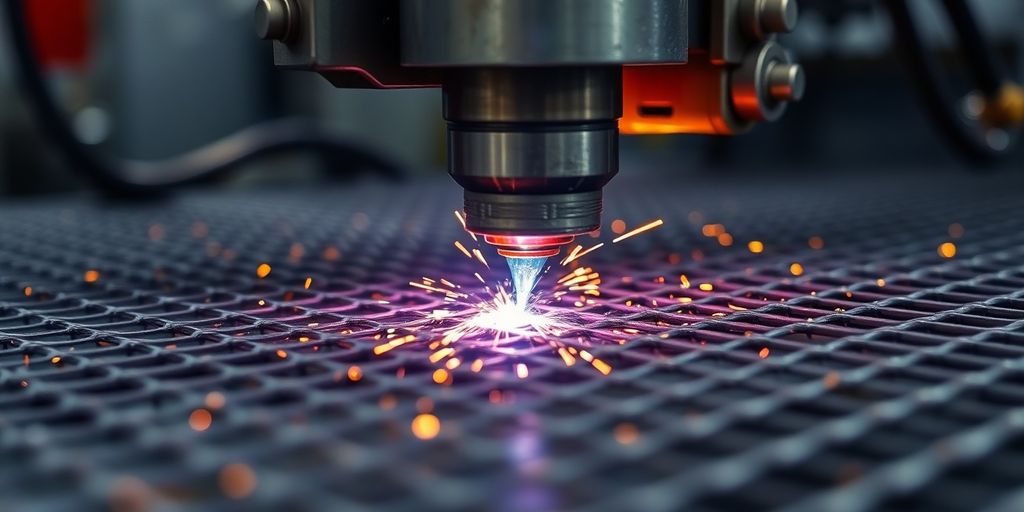
Incorporating advanced mesh welding techniques into your workflow can significantly boost efficiency. These machines work tirelessly, performing tasks faster than any human could. Imagine having a system that welds consistently without breaks, ensuring a steady flow of production. With automation, the speed of operations increases, leading to quicker turnaround times and the ability to meet tight deadlines with ease.
Consistency and Quality Improvement
One of the standout benefits of automated mesh welding is the consistency it brings. Unlike manual processes, machines don’t suffer from fatigue, which means the quality of work remains high throughout. Automated systems ensure each weld is identical to the last, reducing the chances of errors and rework. This level of consistency is crucial in industries where precision and reliability are paramount.
Cost Savings and Resource Optimization
Automation isn’t just about speed and quality; it also offers significant cost savings. By reducing manual labor, companies can cut down on labor costs and redirect resources to other critical areas. Automated systems also optimize material usage, minimizing waste and ensuring that every piece of material is used efficiently. This not only saves money but also supports sustainable practices by reducing unnecessary waste.
Technological Innovations in Mesh Welding
Advancements in Welding Technology
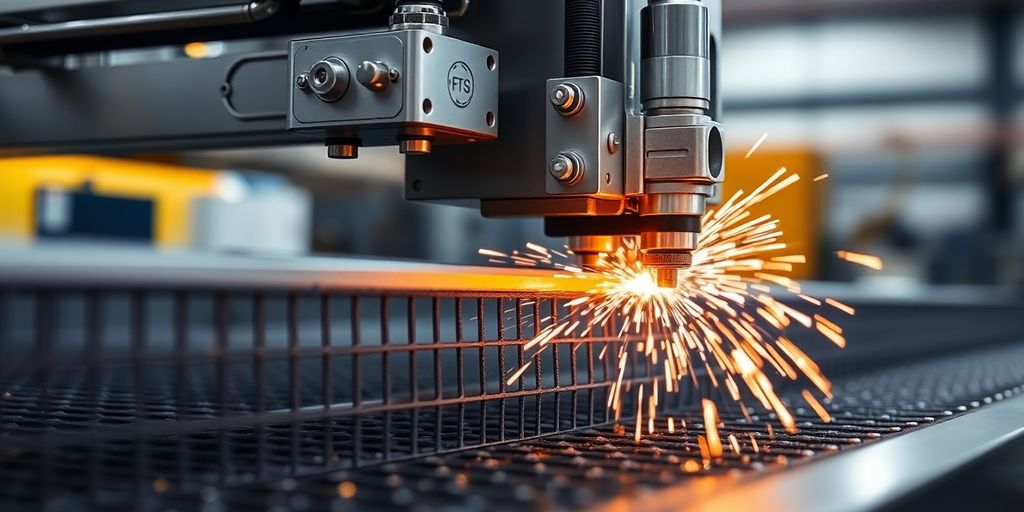
Over the past few years, mesh welding technology has taken some huge leaps forward. These advancements have made welding not just quicker but also more reliable than ever. Laser welding is one of the standout improvements, offering precision that was hard to achieve with older methods. Enhanced automation has also played a big role, speeding up processes and reducing errors. Smart sensors are now a game-changer, monitoring quality in real-time and ensuring that each weld meets the highest standards.
Integration with Industry 4.0
The concept of Industry 4.0 is reshaping how mesh welding is approached. It’s all about smart factories and interconnected machines. One of the coolest things is how machines can now share data with each other, boosting efficiency. Artificial intelligence is stepping in to predict when maintenance is needed, which helps avoid unexpected downtimes. Plus, remote monitoring means you can keep an eye on operations from anywhere, ensuring everything runs smoothly.
Future Trends in Automated Mesh Welding
Looking to the future, there are a few trends in automated mesh welding that are really exciting. First up, there’s going to be more robotics handling complex tasks, which means even more precision and speed. Sustainability is also becoming a big focus, with eco-friendly practices gaining traction. And let’s not forget about user-friendly interfaces—making these systems easier to use is a priority, so more people can get on board with the technology.
The future of mesh welding looks promising, with technology paving the way for safer and more efficient operations.
Implementing Automated Mesh Welding
Assessing Your Current Welding Processes
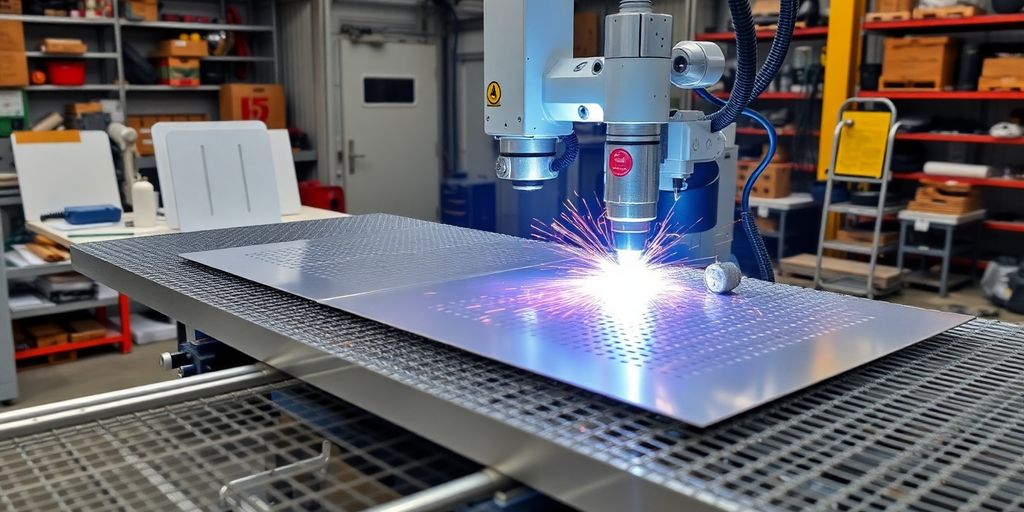
Before jumping into automation, it’s smart to take a good look at what you’ve got going on. Understanding your existing setup is key. Are there bottlenecks where things slow down? Are certain tasks more labor-intensive than others? By pinpointing these areas, you can figure out where automation will make the most impact. Take stock of your equipment, the skills of your team, and the flow of your production line. This groundwork is crucial for a smooth transition to automation.
Choosing the Right Automated System
Once you know where automation can help, it’s time to pick the right system. This isn’t just about buying the latest tech. You need something that fits your needs and budget. Consider the size of your operation and the type of products you make. Do you need a system that can handle large-scale production, or something more flexible for smaller, custom jobs? Look at the features of different machines, like speed, precision, and ease of use. A good match will boost your efficiency without breaking the bank.
Training and Workforce Considerations
Switching to automated systems means your team will need to learn some new skills. Effective training is essential to make sure everyone knows how to operate the new equipment safely and efficiently. This isn’t just about avoiding mistakes—proper training can actually improve the quality of your output. Effective training for operators can minimize defects and scrap rates, which is a big win for any business. Don’t forget about the human side of things, too. Change can be tough, so keep an open line of communication with your team to address any concerns or questions they might have.
Challenges and Solutions in Automation
Common Obstacles in Automation
When diving into automation, especially with mesh welding, you’re bound to hit some bumps in the road. High initial costs can be a real hurdle. Setting up automated systems isn’t cheap, and it requires a solid investment upfront. Then there’s the technical skills gap—your team might need some serious training to get up to speed with all the new tech. And let’s not forget about integration issues. Sometimes, new systems just don’t play nice with the old ones.
Overcoming Technical Challenges
But hey, every problem has a solution, right? Here’s how you can tackle these challenges:
- Invest in Training: Make sure your team knows their stuff. Comprehensive training can make all the difference.
- Choose Compatible Equipment: When picking out new machines, ensure they’re compatible with what you’ve already got.
- Regular Maintenance: Keep those machines in tip-top shape with routine checks. It’ll save you from unexpected breakdowns.
Ensuring Safety and Compliance
Safety is a big deal, no matter what industry you’re in. With automated systems, it’s crucial to stay on top of safety standards:
- Follow Regulations: Always stick to industry safety standards. It’s non-negotiable.
- Conduct Risk Assessments: Regularly check for potential hazards in the workplace.
- Implement Safety Protocols: Set up clear safety procedures for everyone to follow.
While automated mesh welding can seriously boost productivity, it’s key to tackle these challenges head-on to ensure a smooth transition.
Case Studies: Success Stories in Automation
Real-World Examples of Productivity Boosts
Switching to automated mesh welding has been transformative for many companies. Take Company A, for instance, which saw a 30% increase in production speed after implementing these systems. Meanwhile, Company B managed to cut down material waste by 25%, leading to significant cost savings. Company C noticed an improvement in product quality, which resulted in fewer returns and happier customers.
Lessons Learned from Industry Leaders
From these success stories, several key lessons emerge:
- Invest in Training: Employees need proper training to fully harness the potential of automation.
- Regular Maintenance: Keeping equipment in top shape minimizes downtime and prolongs machine life.
- Adaptability: Being ready to tweak and adjust processes can lead to even better outcomes.
Measuring Success and ROI
To gauge the impact of automated mesh welding, businesses often rely on specific metrics. Here’s a simple table that illustrates some of these metrics:
| Metric | Before Automation | After Automation | Improvement |
|---|---|---|---|
| Production Speed | 100 units/hour | 130 units/hour | +30% |
| Material Waste | 20% | 15% | -25% |
| Customer Returns Rate | 5% | 2% | -60% |
Embracing automated mesh welding can lead to impressive gains in efficiency and productivity. Companies that are quick to adopt this technology often find themselves ahead of their competitors.
Conclusion
So, there you have it. Bringing mesh welding machines into your workflow isn’t just about keeping up with the times; it’s about making your operations smoother and more efficient. These machines can really change the game by speeding up production and cutting down on errors. Sure, there’s an upfront cost and a learning curve, but the long-term benefits are hard to ignore. By investing in this technology, you’re not just improving your current processes—you’re setting your business up for future success. If you’re aiming to stay competitive and boost productivity, it’s worth considering the switch to automated mesh welding. It’s a step forward that could make a big difference.
Frequently Asked Questions
What is automated mesh welding?
Automated mesh welding is when machines join metal wires to make mesh, like for fences and grids. It’s fast and efficient.
How does automated mesh welding boost productivity?
It speeds up the welding process, ensures consistent quality, and cuts costs. Machines work faster than people and make less waste.
What are the main parts of an automated mesh welding system?
The main parts include welding machines, control systems, and feeding devices. These parts work together to make sure welding is smooth and accurate.
Can any business use automated mesh welding?
Yes, many businesses can benefit, especially those needing to produce lots of mesh products, like in construction or manufacturing.
What challenges might I face with automated mesh welding?
Challenges can include technical issues, the need for training, and ensuring safety. Planning ahead is key to tackling these problems.
How do I pick the right automated mesh welding equipment?
Consider the type of mesh, production volume, and budget. Research different manufacturers and look for good support services.


