
Long term Construction projects often face delays, but PU sandwich panels are helping to change that. These panels made by the PU panel machine are not just about insulation or durability; they’re a game-changer when it comes to speeding up building timelines. Prefabricated and lightweight, they simplify the entire construction process. In this article, we’ll explore why PU sandwich panels are used in reducing construction time and how they’re shaping the future of building.
Key Takeaways
- PU sandwich panels arrive prefabricated, cutting down on construction time.
- Their lightweight design makes installation quick and requires less manpower.
- These panels minimize on-site disruptions, streamlining the workflow.
- They offer excellent thermal and sound insulation, reducing long-term energy costs.
- Durability and low maintenance make them a cost-effective choice for various projects.
The Role of PU Sandwich Panels in Accelerating Construction Timelines
Prefabrication Advantages for Faster Assembly
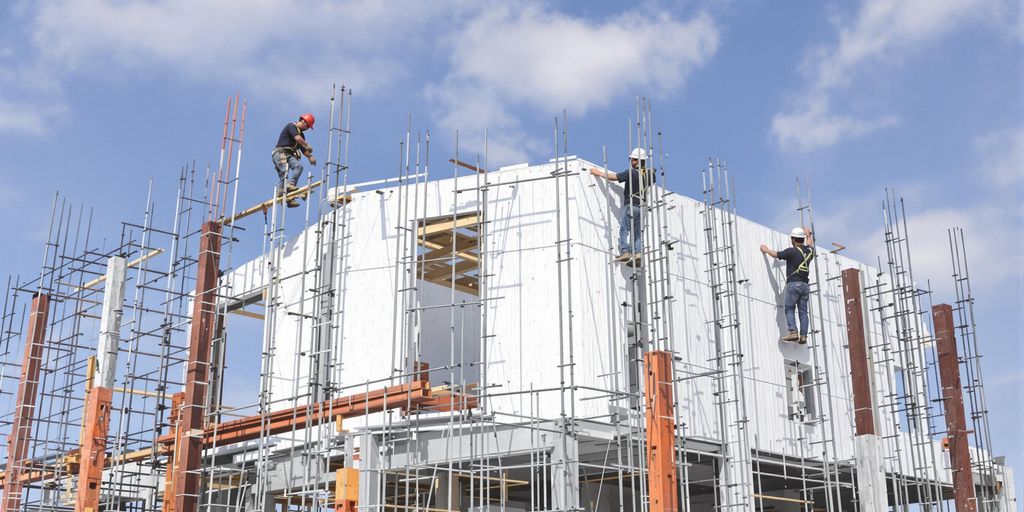
One of the biggest time-savers in construction is prefabrication, and PU sandwich panels are designed with this in mind. These panels come pre-made, ready to be installed, cutting down the time it takes to assemble walls, roofs, or floors. This streamlined process can shave weeks off a typical construction timeline. Builders don’t have to worry about on-site fabrication, which means fewer delays and faster progress.
Lightweight Design Reducing Installation Effort
PU sandwich panels are surprisingly lightweight, which makes them easy to handle during installation. This eliminates the need for heavy machinery or large crews, saving both time and labor costs. A smaller team can quickly position and secure these panels, making the entire process smoother and more efficient. Plus, the reduced weight means less strain on the structure, which can simplify engineering requirements.
Minimizing On-Site Disruptions with PU Panels
Construction sites can be chaotic, but PU sandwich panels help keep things under control. Their quick installation reduces the amount of time workers and equipment need to be on-site. This minimizes disruptions, whether it’s in a busy urban area or a remote location. The panels also generate less waste during installation, keeping the site cleaner and more organized.
Energy Efficiency and Insulation Benefits of PU Sandwich Panels
Thermal Insulation for Reduced Energy Consumption
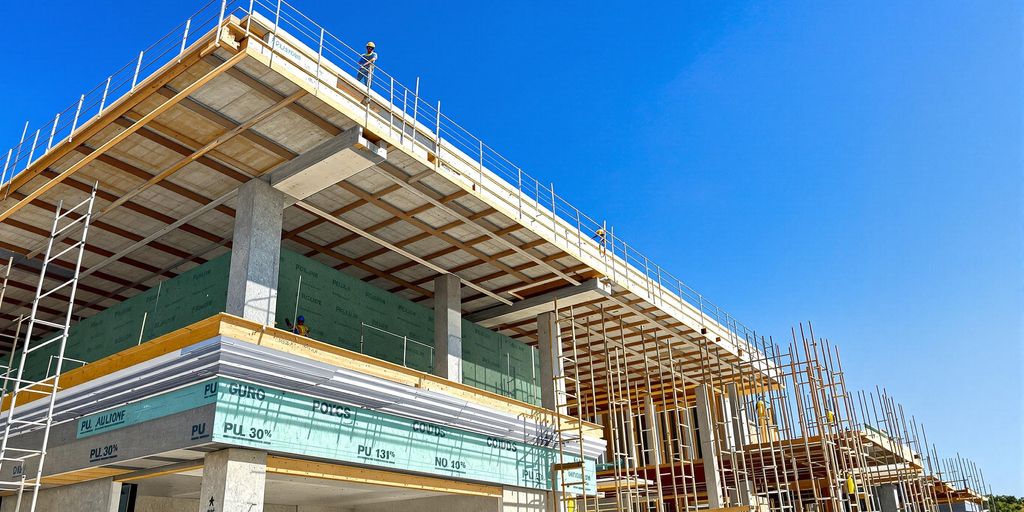
PU sandwich panels are champions when it comes to thermal insulation. The key lies in their polyurethane foam core, which has ultra-low thermal conductivity. This core traps air, acting as a natural barrier that keeps heat from escaping during winter and prevents it from seeping in during summer. This means buildings can maintain a steady indoor temperature year-round, cutting down on the need for energy-guzzling heating or cooling systems.
To suit different climates, these panels come in various thicknesses. For instance:
| Panel Thickness | Insulation Performance (R-value) |
|---|---|
| 50mm | Moderate |
| 100mm | High |
| 150mm | Very High |
In colder regions, thicker panels are perfect for keeping interiors warm without cranking up the heat. Meanwhile, in hotter climates, their insulation minimizes the burden on air conditioning systems.
Soundproofing Capabilities for Quieter Spaces
Beyond just temperature control, PU panels excel at soundproofing. The foam core absorbs sound waves, reducing noise transfer. This makes them a go-to choice for:
- Offices where focus is key
- Homes near busy streets or airports
- Industrial facilities needing quieter workspaces
The added benefit? A more peaceful and productive environment, whether at work or home.
Impact on Heating and Cooling Costs
By stabilizing indoor temperatures, PU sandwich panels directly lower energy bills. Here’s how they help:
- Less reliance on heating systems during winter.
- Reduced need for air conditioning in summer.
- Long-term energy savings that offset initial installation costs.
Over time, the energy efficiency of PU panels doesn’t just save money—it also reduces your carbon footprint. That’s a win-win for your wallet and the planet.
Whether it’s a residential home or a commercial building, these panels are an investment in comfort, cost savings, and sustainability.
Durability and Longevity of PU Sandwich Panels in Construction
Resistance to Weather and Corrosion
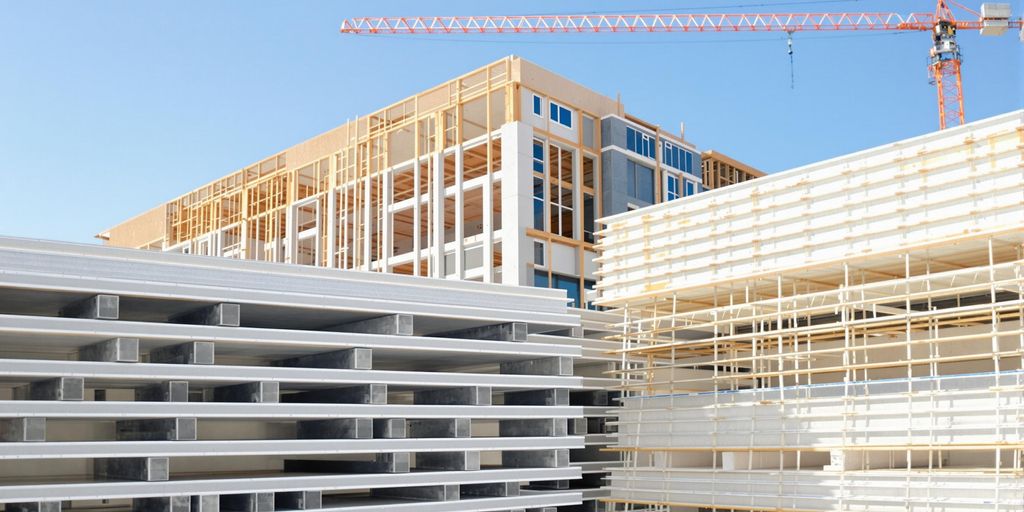
PU sandwich panels are built to endure tough environmental conditions. Whether it’s extreme heat, freezing cold, or high humidity, these panels hold up without losing their structural integrity. Their outer layers, often made from galvanized steel or aluminum, resist corrosion, keeping the panels in good condition for years. This makes them a reliable choice for areas prone to harsh weather or industrial environments.
Low Maintenance Requirements Over Time
One of the standout features of PU sandwich panels is how little upkeep they need. Unlike traditional materials that may require frequent painting, sealing, or repairs, these panels are practically maintenance-free. Their durable surfaces resist scratches, dents, and other minor damages, saving both time and money for building owners.
Extended Lifespan Reducing Replacement Needs
Thanks to their robust design and high-quality materials, PU sandwich panels last longer than many other construction options. This longevity reduces the need for replacements, which not only saves costs but also minimizes material waste. Over the long term, this contributes to a more sustainable construction practice.
PU sandwich panels are a smart investment for any project, offering durability, low maintenance, and a long lifespan while standing strong against the elements and time itself.
Sustainability Features of PU Sandwich Panels
Recyclable Materials Supporting Circular Economy
PU sandwich panels are designed with sustainability in mind, often incorporating materials like steel and aluminum that can be recycled. This means when the panels reach the end of their life, they don’t just become waste—they can be repurposed into new products. This makes them an excellent choice for builders who want to reduce construction waste and contribute to a circular economy. By choosing recyclable materials, the environmental footprint of construction projects is significantly lowered.
Energy-Efficient Manufacturing Processes
The production of PU sandwich panels is surprisingly efficient. Advanced manufacturing techniques help minimize waste and energy use during production. Compared to other building materials, these panels require less energy to produce, which is a win for the environment. Plus, their lightweight design means transporting them uses less fuel, further cutting down on greenhouse gas emissions. These small steps add up to make a big difference in reducing the overall carbon footprint.
Lower Carbon Footprint in Transportation
Because PU sandwich panels are lightweight and compact, they’re easier to transport than many traditional building materials. This means fewer trips are needed to move them to construction sites, which translates to lower fuel consumption and emissions. For large-scale projects, this can result in significant environmental savings. It’s a practical way to make construction greener without sacrificing efficiency.
Construction doesn’t have to come at the cost of the planet. PU sandwich panels show how innovation and sustainability can go hand in hand, making them a smart choice for eco-conscious builders.
Applications of PU Sandwich Panels Across Various Sectors
Residential Buildings for Energy Savings
PU sandwich panels are a practical choice for residential construction, especially for homeowners aiming to cut down on energy costs. These panels provide excellent thermal insulation, keeping homes warm in the winter and cool in the summer. This reduces the reliance on heating and cooling systems, leading to long-term energy savings. Additionally, their soundproofing capabilities create a quieter indoor environment, perfect for urban areas where noise pollution is a concern.
Key benefits for residential use include:
- Lower energy bills due to superior insulation.
- Enhanced privacy with reduced noise infiltration.
- Quick installation, minimizing construction time.
Commercial and Industrial Uses for Efficiency
In commercial and industrial settings, PU sandwich panels shine due to their durability and versatility. They are widely used in office buildings, retail spaces, and factories, offering both functionality and aesthetic appeal. These panels are also ideal for warehouses and logistics centers where maintaining a stable temperature is critical for stored goods.
Advantages in these sectors include:
- Faster project completion due to prefabricated designs.
- Improved energy efficiency, reducing operational costs.
- Resistance to environmental factors like moisture and UV rays.
| Application | Benefit |
|---|---|
| Office Buildings | Aesthetic customization and comfort |
| Warehouses | Temperature regulation |
| Factories | Durability in harsh environments |
Specialized Applications in Cold Storage
Cold storage facilities demand precise temperature control, and PU sandwich panels are up to the task. Their insulation properties help maintain consistent temperatures, making them essential for preserving perishable goods. Whether it’s food storage or pharmaceutical products, these panels are a reliable choice.
In cold storage, PU sandwich panels do more than insulate—they ensure product quality and safety by maintaining optimal conditions.
Other specialized uses include:
- Refrigerated trucks and containers.
- Walk-in freezers for restaurants and supermarkets.
- Controlled environments for scientific research.
PU sandwich panels continue to prove their value across various sectors, offering a mix of practicality, efficiency, and adaptability.
Cost-Effectiveness of PU Sandwich Panels in Modern Construction
Lower Labor and Installation Costs
One of the standout benefits of PU sandwich panels is how much they simplify the construction process. These panels are prefabricated, meaning they arrive at the site ready to install. This cuts down on labor hours significantly. Fewer workers are needed, and the installation itself is faster compared to traditional materials. Plus, their lightweight design makes handling and placement easier, reducing the need for heavy machinery. All of this adds up to lower labor costs, which is a big win for any construction budget.
Long-Term Savings Through Energy Efficiency
PU sandwich panels shine when it comes to energy savings. Their excellent thermal insulation reduces the need for constant heating or cooling, which means lower energy bills. Over the lifespan of a building, this can lead to massive savings. For example:
| Feature | Impact on Costs |
|---|---|
| Thermal Insulation | Reduced heating/cooling expenses |
| Lightweight Design | Lower transportation and labor costs |
| Durability | Fewer repairs and replacements needed |
By maintaining a stable indoor climate, these panels not only make buildings more energy-efficient but also help in reducing overall operational expenses.
Affordable Solutions for Large-Scale Projects
For large-scale projects like warehouses, factories, or commercial complexes, PU sandwich panels are a cost-effective choice. Their modular design allows for rapid construction of large spaces without compromising on quality. Additionally, bulk orders often come with discounts, making them even more economical for big projects. Here’s why they’re ideal:
- Quick installation minimizes project delays.
- High durability ensures lower maintenance costs over time.
- Versatility means they can be used for walls, roofs, and even partitions.
Choosing PU sandwich panels is like making an investment in both time and money. They save you upfront on labor and installation, and they keep delivering savings through energy efficiency and durability. For anyone looking to balance quality with cost, these panels are hard to beat.
Innovative Features of PU Sandwich Panels
Integration with Renewable Energy Systems
PU sandwich panels are stepping into the future by working hand-in-hand with renewable energy technologies. Imagine panels that not only insulate your building but also seamlessly integrate with solar panels or other renewable systems. This pairing can help reduce energy bills and reliance on traditional power sources. It’s a smart, eco-friendly solution for modern construction.
- Compatible with solar panel systems for energy generation.
- Reduces overall energy consumption in buildings.
- Encourages sustainable building practices.
Advanced Insulation Materials for Better Performance
These panels are getting a major upgrade with cutting-edge insulation materials. The polyurethane foam core, already known for its impressive thermal properties, is now being enhanced with additives to boost its insulating power. This means buildings stay comfortable year-round while consuming less energy. It’s like giving your home a thermal blanket that works overtime.
| Feature | Benefit |
|---|---|
| Enhanced foam core | Better temperature regulation |
| Reduced energy loss | Lower heating/cooling costs |
| Lightweight design | Easier and faster installation |
Versatility in Architectural Design
PU sandwich panels aren’t just functional—they’re flexible. Architects love them because they can adapt to almost any design, from sleek modern facades to more classic looks. Whether it’s for walls, roofs, or even floors, these panels can fit into any construction style. Plus, they come in various finishes and colors, so you’re not stuck with boring options.
- Available in multiple finishes for aesthetic customization.
- Suitable for walls, roofs, and even flooring.
- Supports both modern and traditional architectural designs.
PU sandwich panels are more than just building materials—they’re a step toward smarter, more sustainable, and design-friendly construction.
Conclusion
PU sandwich panels are a game-changer for modern construction. They simplify the building process, cutting down on time and effort while offering excellent insulation and durability. Their lightweight design and prefabricated nature make them easy to install, which is a huge plus for projects on tight schedules. On top of that, they’re energy-efficient, cost-effective, and environmentally friendly, ticking all the right boxes for sustainable building. Whether it’s a home, office, or industrial site, these panels are a smart choice for anyone looking to build faster without compromising on quality.
Frequently Asked Questions
What are PU sandwich panels made of?
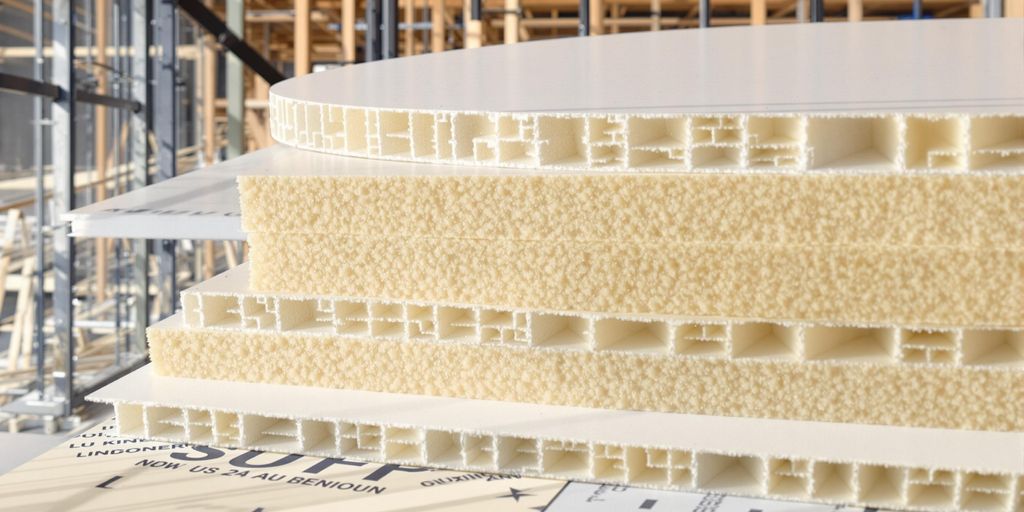
PU sandwich panels are built with a polyurethane foam core for insulation, sandwiched between durable outer layers like steel or aluminum.
How do PU sandwich panels help save energy?
The polyurethane foam inside the panels reduces heat transfer, keeping indoor temperatures steady and lowering heating and cooling costs.
Can PU sandwich panels be used for homes?
Yes, they are ideal for homes as they improve insulation, save energy, and can be customized to fit various home designs.
Are PU sandwich panels resistant to fire?
Some PU sandwich panels are made with fire-resistant materials to help prevent the spread of fire, enhancing building safety.
Why are PU sandwich panels considered cost-effective?
They reduce labor and installation costs, save energy over time, and require minimal maintenance, making them a budget-friendly choice.
How do PU sandwich panels support eco-friendly construction?
They are made with recyclable materials, have energy-efficient manufacturing processes, and lower carbon emissions during transportation.


