
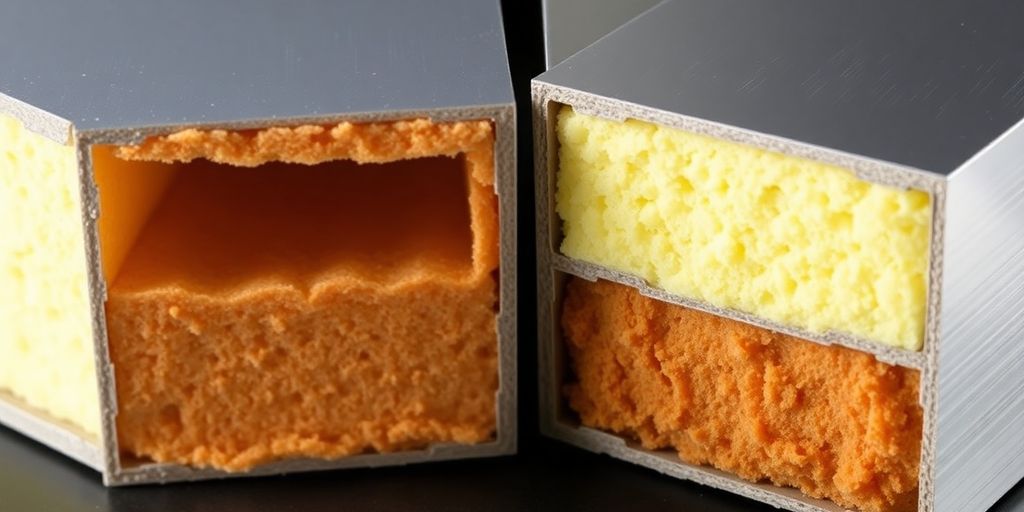
So, what exactly is an insulated sandwich panel? Well, think of it like a super-strong, super-efficient building block. It’s basically a three-layer system: two outer layers, usually made of metal, and a core of insulating material sandwiched in between. These panels are designed to provide thermal insulation, structural support, and weather protection all in one go. You’ll find them used in all sorts of buildings, from warehouses and factories to offices and even homes. The cool thing is that they’re relatively lightweight, easy to install, and can significantly reduce energy costs.
Structural Elements and Material Integration
Let’s break down the structural elements a bit more. The outer layers, or ‘skins,’ are typically made of steel or aluminum. These provide the strength and durability needed to withstand the elements and support loads. The thickness and type of metal used can vary depending on the specific application and the required load-bearing capacity. Then you’ve got the core material, which is the star of the show when it comes to insulation. This can be made of various materials, each with its own set of properties. The way these layers are bonded together is also important. Adhesives play a big role in ensuring that the panel acts as a single, unified structure. This integration is key to the panel’s overall performance and longevity.
Core Material Variations and Their Properties
Now, about those core materials… There’s a whole range to choose from, each with its own pros and cons. Polyurethane (PUR) and polyisocyanurate (PIR) are popular choices because of their excellent thermal insulation properties and fire resistance. Mineral wool is another option, known for its fire resistance and acoustic performance. Expanded polystyrene (EPS) is a lightweight and cost-effective option, but it might not offer the same level of fire resistance as other materials. The choice of core material really depends on the specific needs of the project, taking into account factors like insulation requirements, fire safety regulations, and budget constraints. Here’s a quick rundown:
- Polyurethane (PUR): Good thermal insulation, relatively low cost.
- Polyisocyanurate (PIR): Excellent thermal insulation, improved fire resistance compared to PUR.
- Mineral Wool: Excellent fire resistance, good acoustic performance.
- Expanded Polystyrene (EPS): Lightweight, cost-effective, lower fire resistance.
Distinguishing Polyurethane and Polyisocyanurate Core Materials
Polyurethane Characteristics and Applications
Polyurethane (PUR) is basically a rigid foam. It’s made by mixing stuff like polyol and isocyanate with some other materials under specific conditions. Think of it as a chemical soup that turns into a solid. PUR has this closed-cell thing going on, which means it’s good at keeping heat in or out, doesn’t change shape easily, and doesn’t soak up water. Plus, it’s pretty strong, so it can handle some weight. You’ll find it in all sorts of places, from walls to roofs, because it’s a decent insulator and can hold its own.
Polyisocyanurate Properties and Performance
Polyisocyanurate (PIR) is like PUR’s tougher cousin. It’s made using a similar process, but with different amounts of the ingredients. This tweak makes PIR better at handling fire. It doesn’t catch fire as easily, and when it does burn, it doesn’t produce as much smoke compared to PUR. So, if fire safety is a big deal, PIR is often the way to go. It’s used in places where there’s a higher risk of fire, like industrial buildings or places with strict safety rules.
Comparative Analysis of Thermal and Fire Performance
Okay, so let’s break down how PUR and PIR stack up against each other. When it comes to keeping heat in or out (thermal insulation), they’re both pretty good, but PIR usually has a slight edge. But the real difference is in fire performance. PIR is way better at resisting fire than PUR. It can withstand higher temperatures and doesn’t spread flames as quickly. Plus, it makes less smoke, which is a big deal in a fire. Here’s a quick rundown:
| Feature | Polyurethane (PUR) | Polyisocyanurate (PIR) |
|---|---|---|
| Thermal Insulation | Good | Slightly Better |
| Fire Resistance | Moderate | High |
| Smoke Production | Higher | Lower |
So, depending on what you need – whether it’s just good insulation or top-notch fire protection – you’ll pick either PUR or PIR. It’s all about matching the material to the job.
Performance Attributes of Insulated Sandwich Panels
Thermal Insulation Capabilities
Okay, so when we talk about how well these sandwich panels keep heat in (or out), it’s a big deal. The core material is what really makes a difference here. Think about it like a cozy blanket for your building. The better the insulation, the less you have to crank up the heat or AC, which saves money and is better for the planet. Different core materials have different levels of insulation, so picking the right one is key. For example, some materials are great at keeping heat out in the summer, while others are better at trapping heat during the winter. It’s all about finding the right balance for your specific needs.
Acoustic Attenuation Properties
Ever been in a building where you can hear everything going on outside? Annoying, right? Well, sandwich panels can help with that too. They’re not just about keeping things warm or cold; they also do a solid job of blocking out noise. The core material plays a big role here, just like with thermal insulation. Some materials are better at absorbing sound waves than others. So, if you’re building something near a busy road or an airport, you’ll want to think about using panels with good soundproofing qualities. It can make a huge difference in how comfortable and peaceful the inside of the building is.
Mechanical Strength and Load-Bearing Capacity
These panels aren’t just about insulation and soundproofing; they also have to be strong enough to hold up the building! The outer layers of the sandwich panel, usually made of metal, provide a lot of the strength. But the core material also helps to distribute the load and keep the panel from buckling. The overall strength of the panel depends on the materials used and how they’re put together. Engineers need to calculate how much weight the panels can handle to make sure the building is safe and stable. It’s like a carefully constructed puzzle where each piece plays a vital role in the overall structure.
Environmental and Durability Considerations
Influence of Environmental Factors on Panel Integrity
Okay, so when we talk about how well these sandwich panels hold up, we’ve got to think about what they’re up against outside. Things like temperature swings, rain, snow, and even just plain old sunlight can really do a number on them. For example, if you’re using a panel with a polyester coating, it’s going to be pretty good at resisting scratches and scrapes. But if you’re in a place with a lot of UV rays, you might want to go with something else, because polyester isn’t the best when it comes to sun exposure. And don’t forget about what’s inside the building either! Things like humidity and what you’re actually doing inside can also affect how long the panels last. It’s all about picking the right panel for the job and where it’s going to be.
Longevity and Service Life Determinants
How long will these panels actually last? That’s the big question, right? Well, it’s not just about the materials themselves, but also how well they’re put together and what kind of conditions they’re facing. If you cheap out on the installation, you’re just asking for trouble down the road. And like I said before, the environment plays a huge role. A panel in the desert is going to have a different experience than one by the ocean. Also, think about the load the panel has to carry. If it’s constantly under a lot of stress, it’s not going to last as long. Regular check-ups and maintenance can really extend the life of these panels, so don’t skip out on those!
Resistance to External Agents and UV Radiation
So, let’s get into the nitty-gritty of what these panels can handle. We’re talking about rain, chemicals, and, of course, the sun. Some panels have special coatings that make them super resistant to all sorts of stuff. For example, you’ve got PVDF coatings that are pretty tough when it comes to weather, but they might not have as many color options. Then there are PVC films, which are great for cold storage because they can handle moisture really well. And when it comes to cleaning, you’ve got to be careful. No harsh chemicals or rough scrubbing! Stick to mild stuff and soft cloths, or you could end up damaging the finish. Picking the right coating is key to making sure your panels can stand up to whatever Mother Nature throws their way.
Economic and Installation Advantages
Cost-Effectiveness in Construction
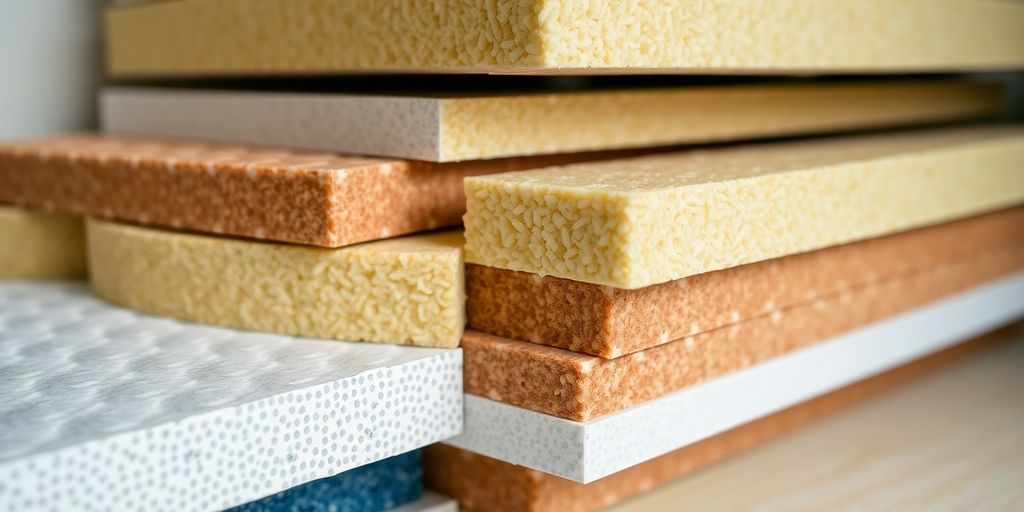
Okay, so let’s talk money. When you’re thinking about building something, the cost is always a big deal, right? Well, using PIR or PU sandwich panels can actually save you some serious cash compared to older building methods. The initial investment might seem similar, but when you factor in everything else, these panels often come out on top.
Think about it: you’re cutting down on material costs because these panels are all-in-one. You don’t need to buy separate insulation, framing, and cladding. Plus, they’re lightweight, which means cheaper transportation. And because they’re quick to install, you’re also saving on labor costs. It’s like getting a discount on the whole project.
Efficiency of Installation Processes
Installation? It’s a breeze. Seriously, these panels are designed to be put up fast. Unlike traditional construction where you’re dealing with a million different steps, sandwich panels simplify everything. They’re pre-made, so you just slot them into place. It’s almost like building with giant Lego bricks.
- First, you prep the site.
- Then, you lift the panels into position.
- Finally, you secure them.
No waiting around for things to dry or set. No complicated layering. Just a straightforward process that gets the job done quickly. This means less time on site, fewer delays, and a faster route to finishing your project.
Labor and Time Savings in Project Execution
Time is money, right? And with PIR and PU sandwich panels, you’re saving a ton of both. Because the installation is so quick, you need fewer workers on the job. That’s less money spent on wages. Plus, the whole project wraps up faster, which means you can start using the building sooner and start making a return on your investment.
Think about it this way: a traditional build might take months, maybe even a year. But with sandwich panels, you could be looking at weeks. That’s a huge difference. And it’s not just about speed. It’s also about reducing the risk of delays caused by weather or other issues. The faster you build, the less chance there is for something to go wrong. It’s a win-win.
Material Selection for Specific Applications
Criteria for Core Material Selection
Choosing the right core material for insulated sandwich panels is a big deal. It’s not just about picking something that looks good; it’s about making sure the panel does its job well and lasts a long time. You’ve got to think about a bunch of things, like how well it insulates, how it handles fire, how strong it is, and what kind of environment it’s going to be in. For example, if you’re building something that needs to be super fire-resistant, like a chemical plant, you’re probably going to lean towards mineral wool. But if you need something with really good thermal insulation for a cold storage facility, then polyurethane (PUR) or polyisocyanurate (PIR) might be better choices. Also, don’t forget about how easy it is to work with the material and how much it costs. Sometimes, you have to balance what you want with what you can actually afford.
Suitability for External Cladding
When it comes to using insulated sandwich panels for external cladding, you’ve got to consider a few extra things. The outside of the panel is going to take a beating from the weather, so it needs to be tough. Things like rain, sun, wind, and even pollution can wear down the panel over time. That’s why the type of coating you use on the outside is super important. Polyester coatings are pretty good because they can handle scratches and scrapes. Polyurethane coatings are great for resisting erosion and keeping their color. And if you need something really heavy-duty, plastisol coatings are a good bet because they block moisture really well. The choice of coating will depend on the specific environment and what kind of look you’re going for.
Adaptability for Diverse Building Typologies
One of the cool things about insulated sandwich panels is that they can be used in all sorts of buildings. From factories and warehouses to offices and even homes, these panels are pretty versatile. They’re also used in more specialized places like cold storage facilities, clean rooms, and even military buildings. Because they’re lightweight and easy to install, they can save you time and money on construction. Plus, you can get them in different colors and finishes, so you can make your building look however you want. Whether you’re building a giant warehouse or a small office, insulated sandwich panels can be a good option.
Advanced Features and Manufacturing Precision
Consistency in Manufacturing Quality
When you’re dealing with insulated sandwich panels, especially PIR and PU ones, how they’re made is super important. You want each panel to be pretty much the same as the next, so your building performs as expected. This means things like the thickness of the insulation, how well it sticks to the outer layers, and the overall dimensions need to be spot-on, every single time. If there are inconsistencies, you might end up with cold spots, leaks, or structural problems down the road. Manufacturers use all sorts of fancy tech and quality control checks to try and keep everything consistent. It’s not just about making panels; it’s about making sure they all work together perfectly.
Prefabrication and On-Site Assembly Benefits
One of the coolest things about using PIR and PU sandwich panels is that they’re often made in a factory before they even get to the construction site. This prefabrication thing has a bunch of perks. First off, it speeds up the building process a lot. Instead of cutting and fitting insulation on-site, you’re just slotting in these ready-made panels. Plus, because they’re made in a controlled environment, the quality is usually better than if you were doing everything by hand in the field. Less waste, fewer mistakes, and a faster build? Sounds good to me. And when it comes to putting them together, it’s usually a pretty straightforward process, which saves time and money.
Customization Options for Thickness and Dimensions
So, you’ve got this project, right? And it needs specific insulation or has some weird size requirements. That’s where customization comes in handy with PIR and PU sandwich panels. You can usually get these panels in different thicknesses, which affects how well they insulate. You can also tweak the dimensions to fit your building’s design. This flexibility is great because not every building is a cookie-cutter shape. Being able to adjust the panels means you can get a better fit, reduce waste, and make sure the building is as energy-efficient as possible. It’s all about getting the right panel for the right job.
Conclusion
So, we’ve looked at PIR and PU sandwich panels. They both have their good points and bad points, you know? Like, PIR is pretty good if you’re worried about fire, which is a big deal for some buildings. But then PU might be a bit cheaper, which is also something people think about. It really just comes down to what you need for your project. You gotta weigh what’s most important: is it fire safety, or saving some money? Or maybe something else entirely? Knowing what each one does best helps you pick the right one for your building. It’s not a one-size-fits-all kind of thing, that’s for sure.


