
So, sandwich panels, right? They’re basically like a super-engineered sandwich. You’ve got the outer layers, and then this stuff in the middle called the core. The core material is what really defines the panel’s overall performance. Think of it like the filling in a sandwich – it’s not just there to take up space. It’s doing some heavy lifting, like providing insulation, adding strength, and keeping the whole thing lightweight. Different cores give you different results. Some are foam, some are like honeycombs, and others are made from stuff like wood or minerals. It all depends on what you need the panel to do.
Role of Face Sheets in Panel Integrity
Okay, so we’ve talked about the core, but what about those outer layers, the face sheets? They’re super important too. They’re like the bread in our sandwich analogy. These sheets are usually made of something strong and stiff, like metal or fiberglass. Their main job? To handle the bending and stretching forces that the panel experiences. They protect the core from getting damaged and help distribute loads evenly across the panel. Without good face sheets, the whole thing would just fall apart. They work together with the core to make the panel strong and stable.
Structural Analogy to I-Beams
Here’s a cool way to think about sandwich panels: they’re kind of like I-beams. You know, those metal beams that look like the letter “I”? The face sheets of a sandwich panel are like the flanges (the top and bottom parts) of the I-beam. They handle most of the bending stress. The core material is like the web (the middle part) of the I-beam. It’s there to resist shear forces, which are forces that try to slide one part of the panel past another. By combining these elements, sandwich panels give you a lot of strength without a lot of weight, just like I-beams do in construction. It’s a pretty clever design, if you ask me.
Polymeric Foam Core Materials
Rigid Polyurethane Foam Cores
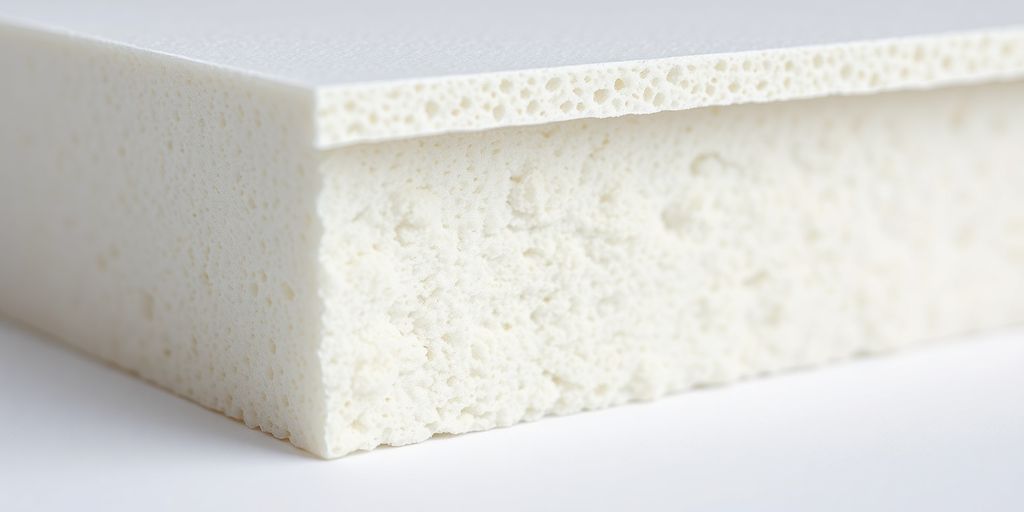
Polyurethane (PU) foam cores are pretty common in sandwich panels because they’re good at a lot of things. They offer a nice balance of thermal insulation, strength, and weight. You see them used a lot in construction for walls and roofs, and also in the transportation industry for things like truck bodies and RVs. The closed-cell structure of rigid PU foam helps keep moisture out, which is a big plus. Plus, you can adjust the density of the foam to get different levels of performance, depending on what you need.
Extruded Polystyrene Applications
Extruded Polystyrene (XPS) is another type of foam that’s used in sandwich panels. It starts with similar materials as Expanded Polystyrene (EPS), but the manufacturing process is different. XPS has additives and expands during cooling. Like EPS, it’s got low thermal conductivity and good water resistance. XPS is often used in applications where moisture is a concern, like below-grade insulation or in refrigerated environments. It’s a solid choice if you need something that can handle damp conditions.
Expanded Polystyrene Characteristics
Expanded Polystyrene (EPS) is a white foam plastic made by expanding polystyrene beads with steam. It’s lightweight and can even be made with recycled materials, which is cool. EPS has low thermal conductivity, meaning it’s a good insulator, and it’s also pretty resistant to water. You’ll find EPS cores in a bunch of different applications, from packaging to building insulation. There’s also Graphite Enhanced Polystyrene, which is EPS infused with graphite to slow down heat transfer even more. That makes it more energy-efficient.
Cellular and Honeycomb Core Structures
Cellulose Paper and Cardboard Honeycomb Cores
Okay, so these cores? They’re usually made from recycled cardboard. The cool thing is the honeycomb pattern. It makes them super light, but also surprisingly strong when you’re pushing down on them. Plus, they don’t cost a ton, which is always a win. Think of it like how bees build their hives—they use this shape to get the most strength out of the least amount of stuff. It’s all about that strength-to-weight ratio, you know?
Polycarbonate Honeycomb Core Properties
Now, if you want something a bit fancier, there are polycarbonate honeycomb cores. Instead of cardboard, these are made from a type of plastic. This plastic gives the core some extra abilities, like being a decent thermal insulator. So, it can help keep things at a steady temperature. That’s pretty useful in certain situations. It’s a step up from the cardboard stuff, for sure.
Aluminum Honeycomb Core Attributes
Alright, if you need something seriously strong, aluminum honeycomb cores are the way to go. These are the most rigid and tough of the honeycomb options we’re talking about. But, heads up, they also tend to be the most expensive. So, you’re paying for that extra strength. If you’re building something where strength is the top priority, though, it might be worth it. It’s all about figuring out what you need most, right?
Mineral and Natural Fiber Core Materials
Mineral Wool Core Panel Systems
Mineral wool core sandwich panels? They’re all about that mineral wool core, which is great because it doesn’t burn and resists fire super well. Plus, it’s awesome at keeping heat in or out, depending on what you need. Usually, the outside layers are steel or aluminum, so they’re strong and last a long time. You see these panels used a lot for walls, roofs, and the outside of buildings. They’re also used to make things like refrigerators, cold storage, and soundproof rooms. Mineral wool provides a non-combustible core, enhancing fire safety in structures.
Balsa Wood as a Core Material
Balsa wood is surprisingly strong for how light it is. That’s why it’s a good choice for the middle of a sandwich panel. It’s way lighter than regular wood, which makes it easier to move around and work with. Balsa wood is often used in the aerospace and marine industries. It’s used to make aircraft structures and boats because of its strength-to-weight ratio. It’s about five times lighter than traditional particleboard and fiberboard core materials.
Polypropylene Plastic Core Composition
Polypropylene plastic core is made from, well, polypropylene plastic. It’s a tough plastic that’s also pretty versatile. It’s strong, doesn’t bend easily, and it’s light, which is a great combo for a core material. You’ll find it in packaging, like in fluted boards and honeycomb boards. It’s also used in other applications where you need something that can take a beating without adding a lot of weight.
Performance Characteristics of Core Materials
Thermal Insulation Capabilities
Okay, so when we talk about how well a sandwich panel keeps heat in (or out), we’re really talking about the core material. The core is the main player in thermal insulation. Different materials have different levels of resistance to heat flow. For example, foam cores like polyurethane or polystyrene are pretty good insulators because they trap air inside their structure. Mineral wool is another option, and it’s also fire-resistant, which is a nice bonus. The lower the thermal conductivity of the core, the better the panel is at preventing heat transfer. It’s all about keeping your building comfy without cranking up the AC or heater.
Acoustic Attenuation Properties
Ever wonder why some buildings are quieter than others? A lot of it comes down to the materials used, especially in sandwich panels. The core material plays a big role in how well a panel blocks sound. Some materials are better at absorbing sound waves than others. For instance, mineral wool and certain foam cores can dampen sound vibrations, making them great for reducing noise. Think about it: a noisy factory versus a quiet office – the right core material can make a huge difference. It’s not just about blocking sound, but also about absorbing it to prevent echoes and reverberations.
Mechanical Strength and Rigidity
So, how strong is a sandwich panel? Well, that depends a lot on the core material. The core’s job is to provide support and resist bending or breaking. Materials like aluminum honeycomb or rigid foams offer high strength and stiffness, which is important for structural applications. Other cores, like balsa wood or cardboard honeycomb, might be lighter but still provide decent support for less demanding uses. It’s a balancing act between weight, strength, and cost. You want a panel that can handle the load without being too heavy or expensive. The type of load also matters – is it compression, tension, or shear? Each core material has its strengths and weaknesses.
Advantages of Lightweight Core Materials
Enhanced Portability and Handling
Okay, so picture this: you’re working on a project, and you’ve got these massive, heavy panels. Moving them around is a total pain, right? You need extra people, maybe even special equipment. But with lightweight core materials? It’s a whole different ballgame. Lighter materials are way easier to handle and move around, which makes the whole job safer and more adaptable. Think about it – less strain on workers, quicker installation, and you can even make changes on the fly without needing a forklift every time. It just makes life easier, plain and simple.
Cost Reduction Through Material Efficiency
Let’s talk money. Heavy materials? They often mean more support structures, higher shipping costs, and more labor to install. It all adds up. But when you switch to lightweight core materials, you start cutting costs left and right. You might not need as much reinforcing, transportation gets cheaper because the load is lighter, and installation is faster, which means less money spent on labor. Plus, you’re often using less material overall, which is good for your wallet and the environment. It’s a win-win.
Environmental Sustainability Considerations
These days, everyone’s thinking about the environment, and using lightweight core materials can actually help. For starters, many of these materials – like some types of foam and cardboard – can be made from recycled stuff. That’s a big plus right there. But it’s not just about recycling. Lighter materials mean trucks use less gas to haul them around, which cuts down on emissions. And because these panels can be great insulators, they help save energy in buildings, which is another way to reduce your carbon footprint. So, by choosing lightweight, you’re not just saving money; you’re also doing your part for the planet.
Applications Across Diverse Industries
Construction Sector Implementations
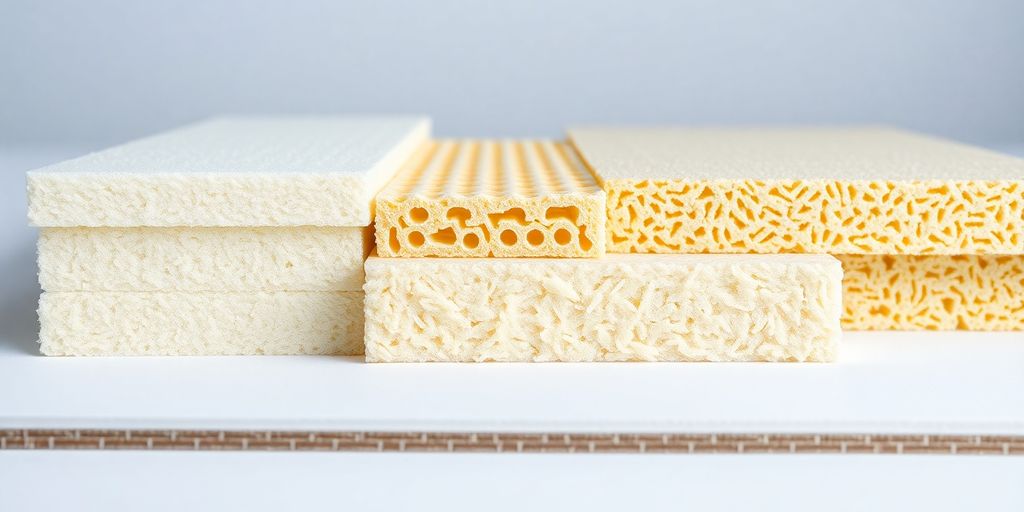
Sandwich panels are all over the construction world, and for good reason. They’re used for everything from exterior walls and roofing to interior partitions and even cold storage facilities. Their lightweight nature makes them easy to handle and install, which speeds up construction times and reduces labor costs. Plus, the insulation properties of the core materials help buildings stay energy-efficient, cutting down on heating and cooling bills. You’ll see them in industrial buildings, offices, and even houses, both for new construction and renovations. They’re pretty versatile, offering a good mix of design flexibility and performance.
Transportation Industry Applications
In the transportation sector, sandwich panels are valued for their strength-to-weight ratio. Think about it: airplanes, trains, and trucks all need to be as light as possible to save fuel, but they also need to be strong enough to withstand the stresses of travel. Sandwich panels fit the bill perfectly. They’re used in aircraft interiors, truck trailers, and even in the construction of high-speed trains. The panels help reduce the overall weight of the vehicle, which translates to better fuel efficiency and lower operating costs. Plus, they can be designed to meet specific performance requirements, like fire resistance and impact resistance.
Aerospace and Marine Engineering Uses
Aerospace and marine engineering demand materials that can withstand extreme conditions while remaining lightweight. Sandwich panels excel in these areas. In aerospace, they’re used in aircraft fuselages, wings, and interior components. The panels provide the necessary strength and stiffness to handle the stresses of flight, while also minimizing weight. In marine applications, they’re used in boat hulls, decks, and superstructures. The panels are resistant to corrosion and water damage, making them ideal for the harsh marine environment. Plus, they can be designed to provide buoyancy and insulation, which are important considerations for boat design.
Conclusion
So, we’ve looked at the main stuff that goes into sandwich panels. It’s pretty clear that picking the right core material is a big deal. Things like how strong it needs to be, how much it weighs, and if it can handle heat or sound all play a part. Each type of core has its own good points and bad points, which makes sense. Knowing these differences helps people choose the best panel for whatever they’re building. It’s all about matching the material to the job.


