
Okay, so what is a PVC sandwich panel? Basically, it’s a construction material made up of three layers. You’ve got a core material sandwiched between two outer layers. Think of it like a delicious sandwich, but instead of bread and filling, you’ve got durable materials designed for building. The core is usually a low-density material, while the outer layers are thin but strong. These layers work together to give the panel its overall strength and insulation properties. You can even pick and choose the materials for each layer to fit what you need it for. It’s all about customization!
Distinction from Other Building Materials
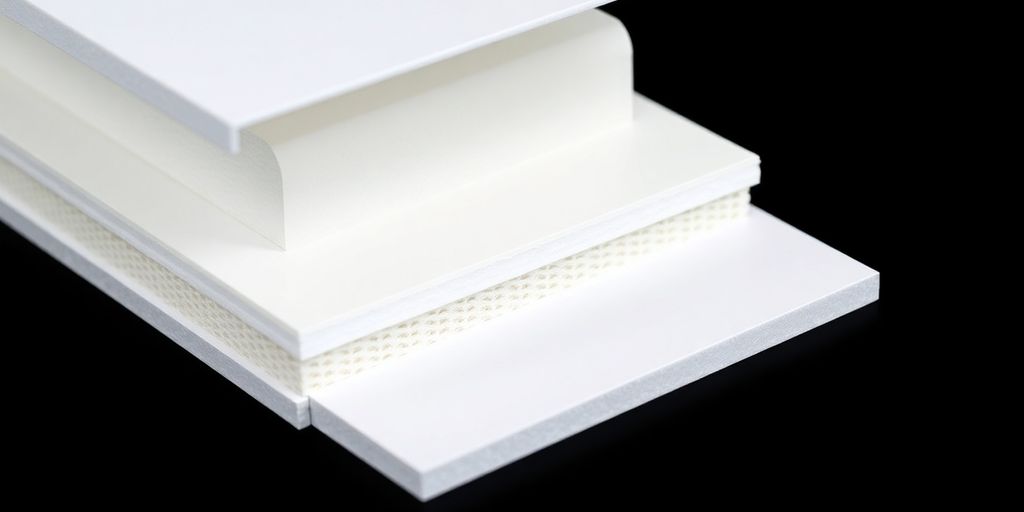
What makes PVC sandwich panels different from, say, steel or wood? Well, one of the biggest things is how lightweight they are. This makes them super easy to move around and install. Plus, they still give you good protection from the weather. Unlike some other materials, PVC panels are resistant to moisture and corrosion, which is a big win. They’re also pretty good at insulating, so you can save on energy costs. It’s a great option when you need something strong but not super heavy. The lightweight nature of these panels makes them easy to transport.
Optimal Installation Environments
Where should you use PVC sandwich panels? They’re great for places where you need a strong, lightweight surface. Think about walls, roofs, and even floors in certain buildings. They’re also good for places that need to be insulated, like cold storage facilities. Because they’re resistant to moisture, they work well in damp environments. You’ll see them used in industrial buildings, commercial spaces, and even homes. Basically, anywhere you need a durable, easy-to-install material, PVC sandwich panels are a solid choice. If you’re looking for a PU sandwich panel machine line, there are many options available.
Classification of PVC Sandwich Panel Types
PVC sandwich panels aren’t just one-size-fits-all; they come in different flavors to suit various needs. Think of it like ordering coffee – you’ve got your standard brew, but also lattes, cappuccinos, and more. The same goes for these panels. The main differences come down to the materials used and how they’re put together. Let’s break down the main types you’ll encounter.
Variations in Core Material Composition
The core material is really the heart of a PVC sandwich panel. It’s what gives the panel its insulation properties and contributes to its overall strength. You’ll find a few common materials used here. One popular option is EPS (Expanded Polystyrene), which is lightweight and offers good insulation. Another is XPS (Extruded Polystyrene), which is a step up in terms of insulation and moisture resistance. You might also see polyurethane (PU) used, known for its excellent thermal performance. The choice of core material really depends on what you need the panel for – a cold storage facility will have different requirements than a simple wall panel.
Impact of Construction Materials on Durability
The materials used to construct a PVC sandwich panel have a big impact on how long it lasts and how well it holds up over time. For example, a panel with a high-quality PVC outer layer will be more resistant to scratches, dents, and UV damage than one with a cheaper PVC layer. Similarly, the type of adhesive used to bond the layers together can affect the panel’s resistance to delamination (when the layers start to separate). It’s important to consider the environment where the panel will be used when choosing the construction materials. If it’s going to be exposed to harsh weather conditions or chemicals, you’ll want to opt for more durable materials. The type of core material also plays a role; some core materials are more resistant to moisture and mold growth than others.
Selection Criteria for Specific Applications
Choosing the right PVC sandwich panel is all about matching the panel to the job. Think about what you need the panel to do. Is it for insulation? Soundproofing? Structural support? Different applications call for different features. For example, if you’re building a cold storage facility, you’ll want a panel with a high R-value (a measure of thermal resistance) and good moisture resistance. If you’re building a wall panel, you might prioritize aesthetics and ease of installation. Consider factors like the panel’s thickness, core material, outer layer material, and any special coatings or treatments. Don’t forget to factor in cost, but remember that PU Sandwich Panels investing in a higher-quality panel upfront can save you money in the long run by reducing maintenance and replacement costs.
Core Material Options for PVC Sandwich Panels
Commonly Utilized Polystyrene Variants
When it comes to PVC sandwich panels, the core material is a big deal. It really affects how strong the panel is and how well it performs overall. You’ve got a bunch of options, but some are way more common than others. Polystyrene is a popular choice, and there are a couple of main types you’ll see:
- Expanded Polystyrene (EPS): This is probably the most common core material you’ll find. It’s lightweight and offers pretty good insulation. Plus, it’s relatively cheap, which is always a bonus. EPS is made by expanding polystyrene beads, and it ends up being about 98% air. That’s why it’s so light! It’s used in all sorts of applications, from packaging to cold storage facilities.
- Extruded Polystyrene (XPS): XPS is another polystyrene option, but it’s made using a different process. This makes it denser and gives it better insulation properties than EPS. It’s also more resistant to water absorption, which is a big plus if you’re using the panels in a damp environment. XPS tends to be a bit more expensive than EPS, but the improved performance can be worth it.
Advanced Fire-Resistant Core Materials
Okay, so polystyrene is good for some things, but it’s not exactly known for being fire-resistant. If you need a panel that can stand up to some heat, you’ll want to look at some of the more advanced core materials. These are designed to slow down the spread of fire and give you more time to react in an emergency. Here are a couple of options:
- Polyurethane (PU): Polyurethane is a foam that offers good insulation and can be treated to be fire-resistant. It’s often used in situations where fire safety is a concern, like in commercial buildings. PU sandwich panels are a solid choice.
- Polyisocyanurate (PIR): PIR is similar to polyurethane, but it’s even more fire-resistant. It forms a char layer when exposed to heat, which helps to protect the core of the panel. PIR is often used in applications where building codes require high levels of fire protection.
Influence of Core Material on Panel Performance
The core material doesn’t just affect insulation and fire resistance; it also plays a big role in the overall performance of the panel. Here’s how:
- Strength and Stiffness: The core material helps the panel resist bending and breaking. Denser materials like XPS and PIR will generally make for a stronger, stiffer panel.
- Weight: The core material is a big contributor to the overall weight of the panel. EPS is very light, while other materials can be heavier. This can affect how easy the panels are to install and transport.
- Insulation: Different core materials have different insulation values. If you’re looking to save energy, you’ll want to choose a core material with good insulation properties. Sustainable building solutions are becoming more popular, so this is an important consideration.
- Cost: The cost of the core material can vary quite a bit. EPS is generally the cheapest, while more advanced materials like PIR can be more expensive. You’ll need to balance performance with cost to find the right option for your project.
Advantages of Employing PVC Sandwich Panels
Expedited Installation Procedures
Okay, so one of the biggest wins with PVC sandwich panels is how fast they go up. Seriously, think about it: these things are designed to be lightweight and easy to handle. That means less time wrestling with heavy materials and more time getting the job done. Because they’re light, moving them around the site is way easier, and you don’t need a huge crew or fancy equipment to put them in place. Plus, the way they’re made, they often just snap together or use simple fasteners. This cuts down on the amount of skilled labor you need, which can save a ton of time and money. It’s all about speed and efficiency, and PVC sandwich panels really deliver on that front.
Economic Efficiencies and Cost Savings
Let’s talk money. PVC sandwich panels can seriously lighten the load on your wallet. First off, because they’re quick to install, you’re saving on labor costs. Less time on the job means fewer hours to pay workers. But it doesn’t stop there. These panels are also pretty durable, so you’re not constantly fixing or replacing them. That’s less money spent on maintenance over the long haul. And because they’re lightweight, you save on transportation costs too. Shipping heavy materials can be a killer, but PVC panels are much easier and cheaper to move around. Plus, don’t forget about energy savings. Their insulation properties can lower your heating and cooling bills, which adds up over time. All in all, PU Sandwich Panels are a smart economic choice.
Aesthetic and Architectural Versatility
Beyond just being practical, PVC sandwich panels actually look pretty good. They come in a bunch of different colors, designs, and textures, so you can really customize the look of your building. Whether you’re going for a modern, sleek vibe or something more traditional, there’s a panel out there that’ll fit the bill. And it’s not just about looks. These panels can be used in all sorts of architectural designs, from simple walls to complex curves and angles. They’re easy to cut and shape, so you can really get creative with your building. Plus, they can be used for both interior and exterior applications, which gives you even more flexibility. So, if you want a building that looks great and is also functional, PVC sandwich panels are definitely worth considering.
Applications of PVC Sandwich Panels Across Industries
Industrial and Commercial Sector Utilization
PVC sandwich panels are incredibly useful in industrial and commercial settings. You see them used for everything from constructing exterior walls and roofing to creating interior partitions and cleanrooms. Their lightweight nature makes installation faster and easier, which is a big plus when you’re trying to get a project done quickly. Plus, they offer good insulation, helping to keep energy costs down in large buildings. They also stand up well to different weather conditions, which is important for long-term durability. Think warehouses, factories, and office buildings – these panels are a common sight.
Applications in Cold Storage Facilities
When it comes to cold storage, PVC sandwich panels are a top choice. They provide excellent thermal insulation, which is essential for maintaining consistent temperatures in places like freezers and refrigerators. This helps to prevent heat from escaping, which is necessary for excellent thermal insulation. Their resistance to moisture and bacteria is another major advantage, as it helps to keep the stored goods safe and prevents the growth of mold and mildew. This is why you’ll often find them in food processing plants, cold storage warehouses, and even refrigerated transport vehicles. They’re also easy to clean, which is a must for maintaining hygiene standards in these environments.
Residential and Agricultural Building Integration
While they’re common in industrial settings, PVC sandwich panels are also finding their way into residential and agricultural buildings. In homes, they can be used for wall cladding, roofing, and even for creating insulated sheds or garages. Their lightweight nature makes them easy to work with, and they can help to improve energy efficiency by providing extra insulation. In agricultural buildings, like barns and greenhouses, they can help to maintain stable temperatures, which is important for protecting livestock and crops. Plus, they’re resistant to pests and moisture, which is a big advantage in these environments. They’re a versatile option for anyone looking for a durable and energy-efficient building material.
Available Coatings for PVC Sandwich Panels
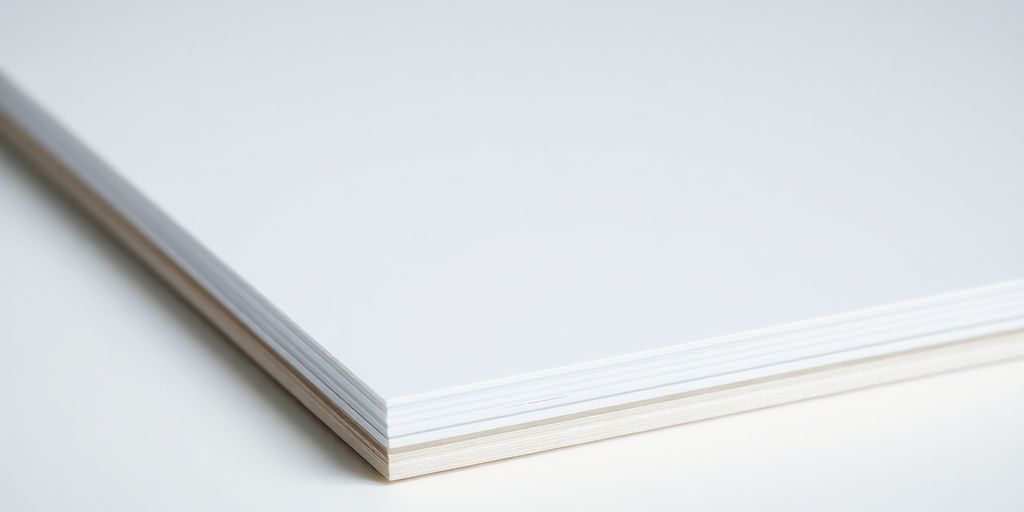
PVC sandwich panels aren’t just about the core material; what’s on the outside matters too! The coating you choose can significantly impact the panel’s durability, appearance, and overall performance. There are several options available, each with its own set of characteristics.
Characteristics of Polyester Coatings
Polyester coatings are a popular choice because they offer a good balance of performance and cost. They come in a wide range of colors and gloss levels, giving you plenty of design flexibility. Polyester coatings are known for their resistance to flexing, abrasion, corrosion, dampness, and impact. This makes them suitable for a variety of applications.
Thicknesses typically range from 20 to 60 micrometers, depending on the specific requirements of the project. Thicker coatings generally provide better protection, but also add to the cost. Polyester coatings are a solid all-around option for commercial buildings where aesthetics and durability are both important.
Properties of Plastisol Coatings
Plastisol coatings are thicker than other types of coatings, usually ranging from 100 to 120 micrometers. This extra thickness provides excellent resistance to corrosion and dampness, making them a good choice for harsh environments. They’re also ideal for embossing, which can add a textured finish to the panel.
However, plastisol coatings aren’t as resistant to color fading or gloss changes as some other options. This means they might not be the best choice for applications where appearance is critical over the long term. You can use them in humid climates as well as in cold storage areas where sun rays are not as effective and UV protection is not required.
Functionality of PVC Film Laminates
PVC films are used as laminates over aluminum or galvanized steel surfaces, both indoors and outdoors. They’re particularly popular in cold storage applications because of their excellent resistance to corrosion and humidity. PVC films also offer a wide range of textures, allowing for a variety of aesthetic options.
The thickness of PVC films can vary widely, from 120 to 800 micrometers, depending on the application. Thicker films provide better protection and durability, but also add to the cost. The ability to customize the texture and appearance makes PVC film laminates a versatile choice for projects where aesthetics are a key consideration.
Standard Dimensions and Thicknesses of PVC Sandwich Panels
Commonly Manufactured Panel Sizes
Alright, let’s talk sizes. When it comes to PVC sandwich panels, you’ll find a few standard sizes floating around, but honestly, it’s not a one-size-fits-all kind of deal. The dimensions can vary quite a bit depending on what the panel is intended for. You might see panels around 2030mm x 3050mm, which are pretty common for general construction. Then there are smaller ones, like 1010mm x 3050mm, often used where you need something more manageable or for specific design constraints. The key is to check with your supplier because they can usually cut panels to your exact needs.
To give you a clearer picture, here are some typical sizes you might encounter:
- 2030mm x 3050mm: Good for large surface areas.
- 1010mm x 3050mm: Better for smaller projects or detailed work.
- Custom sizes: Available to fit unique project requirements.
Typical Panel Thickness Specifications
Thickness is another big factor. You’ll usually find PVC sandwich panels ranging from about 10mm to 24mm, but again, this isn’t set in stone. Thicker panels obviously give you more insulation and strength, which is important for things like cold storage facilities or exterior walls. Thinner panels are lighter and easier to work with, so they’re often used for interior applications or decorative elements. The thickness you choose really depends on the load-bearing requirements and the level of insulation you need.
Here’s a quick rundown of common thicknesses and their typical uses:
- 10mm: Interior walls, decorative panels.
- 24mm: Exterior walls, insulated structures.
- Custom thicknesses: Available for specialized applications.
Factors Influencing Size and Thickness Selection
So, what should you think about when picking the right size and thickness? A bunch of stuff, actually. First off, consider the structural load. If the panel needs to support a lot of weight, you’ll want something thicker and maybe even a specific core material. Insulation is another big one. If you’re trying to keep heat in (or out), a thicker panel with good insulation properties is the way to go. Also, think about how you’re going to install the panels. Bigger, thicker panels can be a pain to handle, so you might need extra hands or special equipment. Finally, don’t forget about aesthetics. The size and thickness can affect how the panel looks, so make sure it fits with your overall design. You can even customize your PVC sandwich panel by making changes to the material of the first layer depending upon your application.
Here’s a quick list of factors to keep in mind:
- Structural load requirements.
- Insulation needs.
- Ease of installation.
- Aesthetic considerations.
Conclusion
So, we’ve gone through a lot about PVC sandwich panels. They’re pretty good for keeping buildings insulated and protected. It’s important to keep them clean, not just for how they look, but also for safety. And if you want them to keep working well, you really need to put in the time to take care of them. That way, they’ll keep doing their job for a long time.


