
PU sandwich panel machines might sound complex, but they’re really all about making construction easier. These machines create panels that are not only strong but also great at keeping the heat in or out, thanks to the foam inside. You’ll find these panels in everything from warehouses to temporary buildings. They’re a big deal in construction because they make building faster and more efficient.
Key Takeaways
- PU sandwich panels combine metal layers with a foam core for insulation.
- These panels are widely used in construction for their strength and thermal properties.
- PU sandwich panel machines automate the production process, ensuring consistency.
- Automation and control systems in these machines boost efficiency and reduce errors.
- Choosing the right machine involves assessing capacity, material compatibility, and panel thickness.
Introduction to PU Sandwich Panels
What Are PU Sandwich Panels?
PU sandwich panels are a type of composite material made up of two thin metal layers that encase a core of polyurethane foam. The metal layers, often steel or aluminum, provide structural support and protection from the elements, while the foam core offers excellent thermal insulation. This combination makes PU sandwich panels both strong and lightweight, ideal for various construction needs.
Benefits of PU Sandwich Panels
These panels come with a host of benefits that make them popular in the construction industry:
- Thermal Insulation: The polyurethane core provides superior insulation, helping to maintain temperature and reduce energy costs.
- Lightweight Yet Strong: Despite their strength, these panels are lightweight, which simplifies transportation and installation.
- Versatile Applications: From cold storage to modular buildings, PU panels are adaptable to many uses.
- Quick Installation: Their modular design allows for fast assembly, cutting down on construction time.
PU sandwich panels are a game-changer in construction, offering not just energy efficiency but also quick and easy installation, which saves both time and money.
Common Applications of PU Sandwich Panels
PU sandwich panels are widely used in various sectors due to their versatility:
- Industrial Buildings: Used for walls and roofs, these panels provide excellent insulation and structural support.
- Cold Storage Facilities: Their insulating properties make them ideal for maintaining low temperatures.
- Temporary Structures: Quick to install and dismantle, they are perfect for temporary offices or shelters.
These panels are not just about keeping the heat in or out; they also offer soundproofing and fire resistance, making them a comprehensive solution for modern building needs.
Key Components of a PU Sandwich Panel Machine
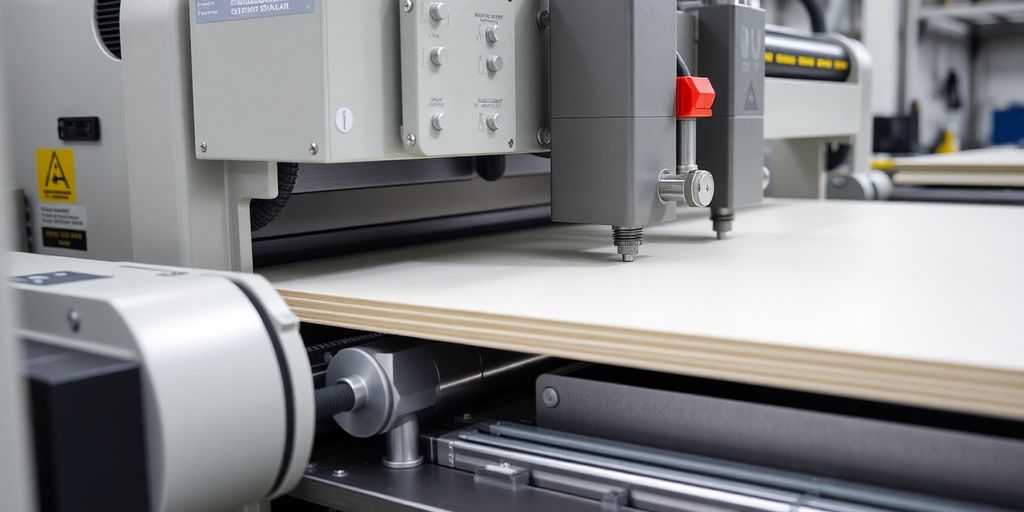
Uncoiler Functionality
The uncoiler is where it all starts in the production of PU sandwich panels. It holds and unwinds the metal coils that form the outer layers of the panel. These coils are usually made from galvanized steel or aluminum, materials chosen for their durability and resistance to corrosion. The uncoiler’s job is to ensure that these metal sheets are fed smoothly into the production line without any snags or tangles.
Role of the Roll Forming Machine
Next up is the roll forming machine, and it’s the real workhorse here. This machine takes the flat metal sheets and shapes them into the desired profile. It’s all about precision here, as the machine needs to roll the metal into a consistent shape that will form the panel’s outer layers. The roll forming process is crucial because it defines the panel’s structural integrity and aesthetic appeal.
Foam Injection System
Finally, we have the foam injection system, which is what gives the PU sandwich panel its trademark insulation properties. This system injects polyurethane foam between the two metal layers. The foam expands and hardens, creating a solid core that offers excellent thermal insulation, soundproofing, and fire resistance. The quality of the foam and its uniform distribution are vital for the panel’s overall performance.
PU sandwich panel machines bring together these components in a seamless operation, producing panels that are both strong and efficient. As technology advances, these machines continue to evolve, offering improved efficiency and precision in panel production.
For companies like Zhejiang Yizhou Technology, which provide advanced production lines, incorporating technologies like HCFC foaming and CNC machining ensures that the panels meet high standards of strength and energy efficiency. Meanwhile, YZ Welding offers a variety of machines, including those for PU sandwich panels, highlighting the importance of technical support and innovation in this field.
How PU Sandwich Panel Machines Work
Material Feeding Process
Alright, let’s start with the basics. The whole process begins with feeding the materials into the machine. You have these massive coils of metal sheets—usually steel or aluminum—that are unwound and fed into the production line. This is where the Polyurethane Sandwich Panel Machine Production Line really shines with its automation. The machine pulls in the metal sheets without a hitch, ensuring they’re straight and ready for the next steps. As the sheets roll in, the core material—usually polyurethane foam—is also prepared. It’s cut to size and thickness, ready to be sandwiched between the metal layers.
Laminating and Bonding Techniques
Once the materials are set, the magic happens. The laminating and bonding process is where everything comes together. The foam core gets a layer of adhesive, typically a two-component polyurethane or epoxy resin. This adhesive ensures that when the metal sheets come in contact with the foam, they stick together like glue—literally. The sandwich panel then passes through rollers, applying pressure to make sure the bond is strong and even. This step is crucial because it determines the panel’s structural integrity and insulation quality.
Curing and Setting Procedures
Finally, we have the curing and setting phase. After the panels are bonded, they need to “set” or harden. This involves running them through a curing oven where the heat helps the adhesive and foam to solidify. This step is key to ensuring the panels are ready for use, with the right level of rigidity and strength. Once cured, the panels are cut to the desired size and shape, ready to be used in various applications like construction or cold storage.
In a nutshell, PU sandwich panel machines take raw materials and transform them into high-quality panels through a series of precise steps. It’s all about efficiency, automation, and getting those panels just right for whatever they’re needed for.
Automation and Control in PU Sandwich Panel Machines
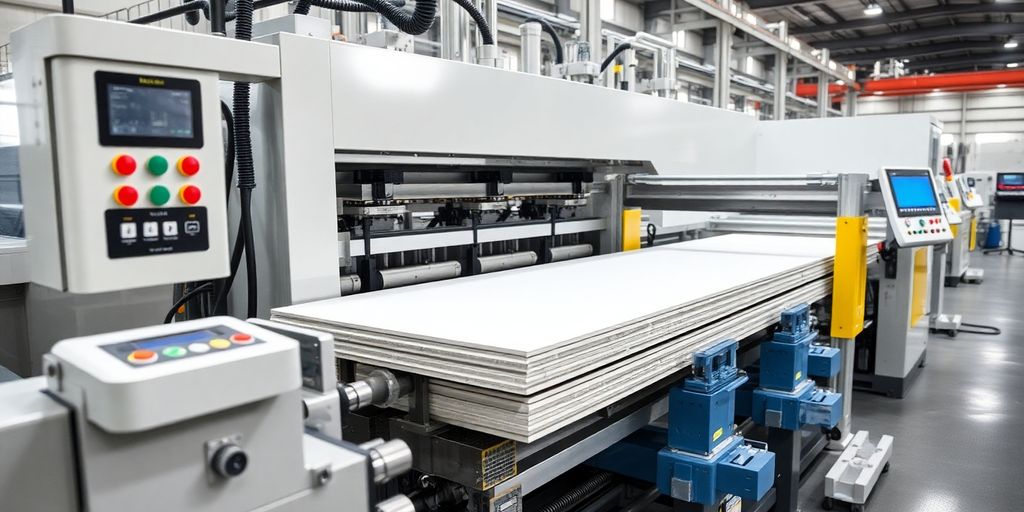
Importance of Automation
Automation in PU sandwich panel machines is a game-changer. It not only speeds up the production process but also enhances the precision and quality of the panels produced. With automated systems, manufacturers can maintain consistent panel dimensions and reduce waste, which is crucial for meeting industry standards. Automation minimizes human error, ensuring that each panel meets the required specifications.
Control Systems and Interfaces
Modern PU sandwich panel machines are equipped with advanced control systems. These systems often feature user-friendly interfaces, such as touch screens and programmable logic controllers (PLCs), which allow operators to easily monitor and adjust production parameters. Here’s a quick look at some common features:
- Touch-screen interfaces for intuitive operation
- Programmable settings for customized production
- Remote monitoring capabilities for real-time oversight
These features contribute to a seamless production process, enabling operators to swiftly respond to any issues that may arise.
Enhancing Efficiency with Technology
Technology plays a pivotal role in enhancing the efficiency of PU sandwich panel machines. Integration of energy-efficient components not only reduces operational costs but also supports sustainable manufacturing practices. Moreover, the use of high-quality components, such as imported rollers and conveyor systems, ensures superior panel finish and foam stability. This technological advancement aligns with the growing market demand for efficient and high-quality sandwich panels, as seen in YZ’s Polyurethane Sandwich Panel Machine Line.
The future of PU sandwich panel production lies in the continuous evolution of automation and control technologies. As these systems become more sophisticated, they promise to deliver even greater efficiency, quality, and sustainability in panel manufacturing.
Choosing the Right PU Sandwich Panel Machine
Assessing Production Capacity
Choosing a PU sandwich panel machine starts with understanding your production needs. How many panels do you need to churn out daily, weekly, or monthly? This is key. Some machines are built for high-volume production, while others might suit smaller operations. It’s all about matching the machine’s output to your project demands. If your business is expanding, you might want a machine that can grow with you.
Evaluating Material Compatibility
Not all machines handle materials the same way. You need to check if the machine can handle the thickness, width, and type of materials you plan to use. This means looking at both the core material, like PU foam, and the outer layers, usually metal. Ensuring your machine can work with these materials smoothly is crucial to avoiding production hiccups.
Understanding Panel Thickness Range
Flexibility in panel thickness is a big deal. Depending on what your clients need, you might have to produce panels of varying thicknesses. A machine that can handle a wide range of thicknesses is a plus. It means you can cater to different market needs and maybe even expand your business reach.
Picking the right machine isn’t just about the specs—it’s about how well those specs fit your business goals.
When choosing your machine, don’t forget to consider PU sandwich panel machines that offer customization options. This can give you an edge in meeting unique client needs and expanding your market presence.
Advantages of Using PU Sandwich Panel Machines
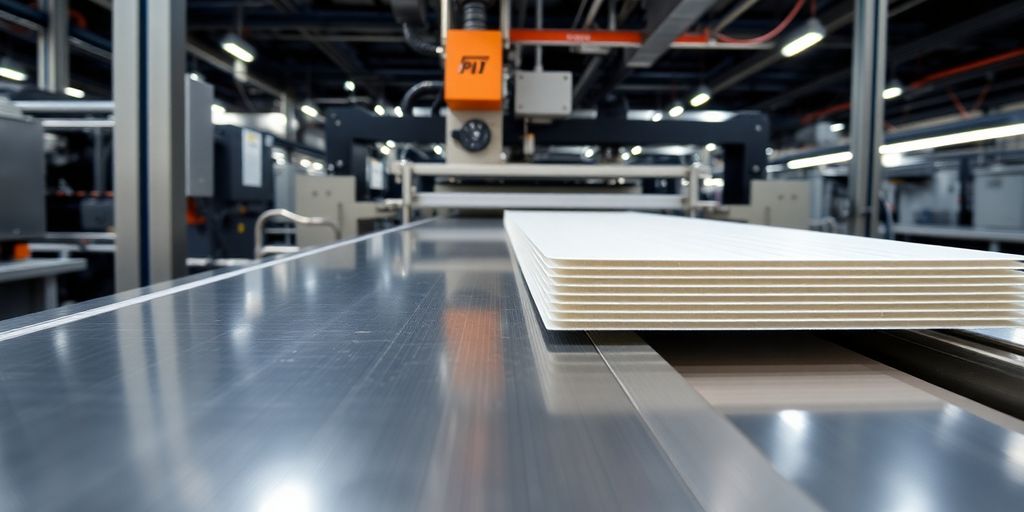
Excellent Insulation Properties
When it comes to keeping things cozy or cool, PU sandwich panels are top-notch. These panels, made with a core of PU foam, excel at trapping air and creating a solid barrier against heat transfer. This means buildings stay warmer in winter and cooler in summer, cutting down on energy bills. They’re perfect for places like cold storage facilities or energy-efficient homes where maintaining a certain temperature is crucial.
Lightweight and Durable Design
PU sandwich panels are a dream for builders because they’re both light and tough. The foam core is light, but the outer metal layers give it strength. This combo makes them easy to handle and transport, which is a big plus on construction sites. Plus, because they’re lightweight, they don’t add much to the building’s overall weight. This can be really helpful for projects where the foundation isn’t super strong or when you’re upgrading an existing structure.
Rapid Installation Benefits
Speed is often key in construction, and PU sandwich panels deliver on that front. Thanks to the efficient production from PU sandwich panel machines, these panels can be quickly installed, saving both time and money. The lightweight nature of the panels means they can be moved and set up faster, which is a big deal for projects on tight deadlines or in places with tricky weather. This rapid installation process not only reduces labor costs but also helps keep projects on schedule, even when things get hectic.
Applications of PU Sandwich Panels in Construction
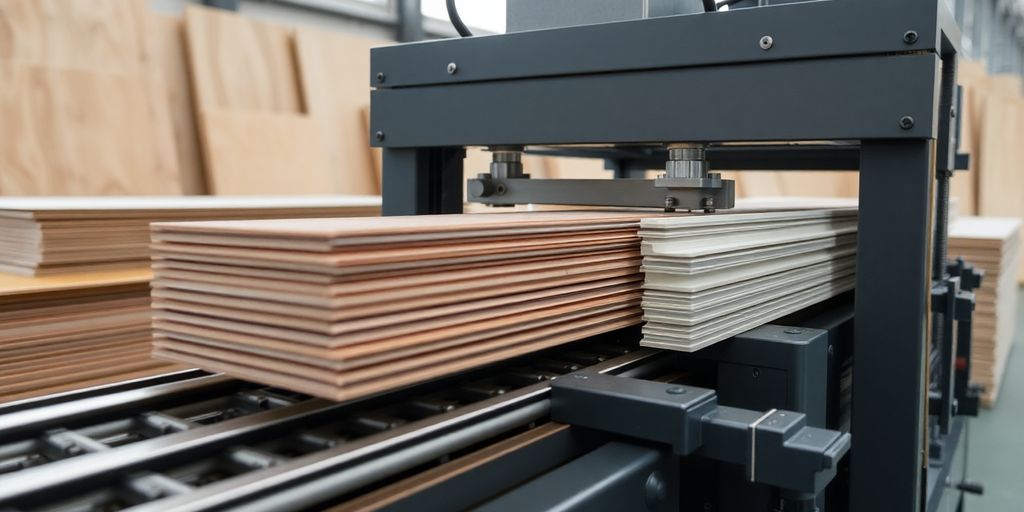
Use in Cold Storage Facilities
PU sandwich panels are a go-to choice for cold storage facilities. Their exceptional thermal insulation keeps temperatures stable, which is crucial for preserving perishable goods. These panels help in maintaining energy efficiency by minimizing heat transfer, making them ideal for freezers and cold rooms.
Integration in Roofing Systems
When it comes to roofing, PU sandwich panels provide a lightweight yet durable solution. They can cover large spans without requiring heavy support structures, reducing overall construction costs. Their weather-resistant properties also make them perfect for withstanding harsh environmental conditions, ensuring long-lasting performance.
Benefits for Temporary Structures
For temporary structures, like construction site offices or emergency shelters, PU sandwich panels offer quick installation and easy transport. Their modular design allows for rapid assembly and disassembly, which is perfect for projects with tight timelines or those in remote locations. These panels provide a robust solution without the need for permanent fixtures.
In modern construction, the versatility of PU sandwich panels makes them a preferred choice for various applications, from permanent installations to temporary setups. Their adaptability and efficiency continue to drive their popularity across the industry.
Future Trends in PU Sandwich Panel Technology
Innovations in Material Science
The world of PU sandwich panels is buzzing with new materials and designs. Manufacturers are not just sticking to the old PU foam. They’re trying out things like mineral wool, which is great for fire resistance and soundproofing. Plus, there’s a big push to use recycled materials. This isn’t just about making better panels; it’s about being kinder to the planet.
Sustainability and Environmental Impact
Everyone’s talking about going green, and PU sandwich panels are no exception. Companies are looking at ways to make these panels more eco-friendly. This means using materials that can be recycled or are biodegradable. It’s about reducing the carbon footprint and making sure that the panels don’t end up in a landfill after their use.
Advancements in Production Techniques
The way these panels are made is also getting a makeover. New production techniques are making it possible to create panels that are more precise in terms of size and quality. This means less waste and better products. Some of these advancements include automated systems that ensure every panel is up to standard without much human intervention.
As technology evolves, PU sandwich panels are becoming more efficient and sustainable, paving the way for future construction innovations.
Innovations in Design
Design-wise, there’s a lot happening too. Panels are being made with integrated systems for things like ventilation and solar energy. This means buildings can be more self-sufficient and energy-efficient. It’s not just about insulation anymore; it’s about creating smarter buildings.
- New Core Materials: Exploring beyond traditional PU foam.
- Recycled Content: Incorporating eco-friendly materials.
- Multi-functional Panels: Integrating systems for added benefits.
These innovations are setting the stage for a new era in construction, where efficiency and sustainability are at the forefront. Expect to see more buildings using these advanced panels in the near future.
Wrapping It Up
So, there you have it. PU sandwich panel machines are pretty much the backbone of making those high-tech panels you see everywhere. From keeping warehouses cool to making sure your office stays warm in winter, these machines do it all. They take raw materials and, through a series of steps, turn them into something super useful. With the push for more energy-efficient buildings, these panels are only going to get more popular. And the machines? They’ll keep evolving, getting better and faster. It’s a fascinating bit of tech that’s quietly changing how we build things. Who knew a machine could make such a difference, right?
Frequently Asked Questions
What exactly are PU sandwich panels?
PU sandwich panels are composite building materials made of two outer metal sheets (usually galvanized steel or aluminum) and a rigid polyurethane foam core. The metal provides structural strength, while the foam core delivers excellent thermal insulation, soundproofing, and fire resistance.
Why are PU sandwich panels popular in construction?
They offer one of the highest insulation values per unit thickness, are lightweight (typically 10–15 kg/m²), and can be installed quickly thanks to their modular design. This combination reduces both construction time and long-term energy costs.
How does a PU sandwich panel machine work?
The machine operates as a continuous production line. Metal coils are unrolled and roll-formed into shape, then polyurethane foam is injected between the two metal layers. The panel passes through a press for curing, and is finally cut to length automatically.
What are some uses of PU sandwich panels?
They are widely used for factory walls and roofs, cold storage rooms, clean rooms, commercial buildings, and modular or temporary structures like site offices and emergency shelters.
Why is automation important in PU sandwich panel machines?
Automation ensures consistent panel quality by precisely controlling foam density, forming accuracy, and cutting dimensions. It also increases production speed, reduces labor costs, and allows operators to monitor the entire process in real time via PLC and touch-screen systems.
How do I choose the right PU sandwich panel machine?
Key factors include your required production capacity, the range of panel thicknesses the machine supports, material compatibility, level of automation, and after-sales support. A higher-quality machine typically means lower maintenance costs and better panel consistency over time.
What is the difference between PU and PIR sandwich panels?
Both use polyurethane-based foam, but PIR (polyisocyanurate) offers improved fire resistance—it chars rather than melts when exposed to flame. When choosing a machine, confirm that the foam system is compatible with the formulation you plan to use.


