
Ever found yourself scratching your head over a mesh welding machine that’s acting up? You’re not alone. These machines, while incredibly useful and efficient by saving manual labor, can sometimes throw a wrench in your plans with unexpected issues. From electrical hiccups to mechanical failures, and even welding quality problems, there’s a lot that can go wrong. But don’t worry, as a manufacturer of mesh welding production line for over a decade, we know exactly how to get over it. And we’re here to help you troubleshoot common issues with mesh welding machines and get you back on track.
Key Takeaways
- Ensure your machine is properly grounded and installed to avoid electrical issues.
- Regular maintenance like cleaning and checking components can prevent mechanical failures.
- Adjust settings to improve weld quality and reduce defects like spatter and porosity.
- Understand the signs of overheating and manage thermal loads to prevent damage.
- Invest in operator training to enhance troubleshooting skills and safety awareness.
Identifying Electrical Issues in Mesh Welding Machines
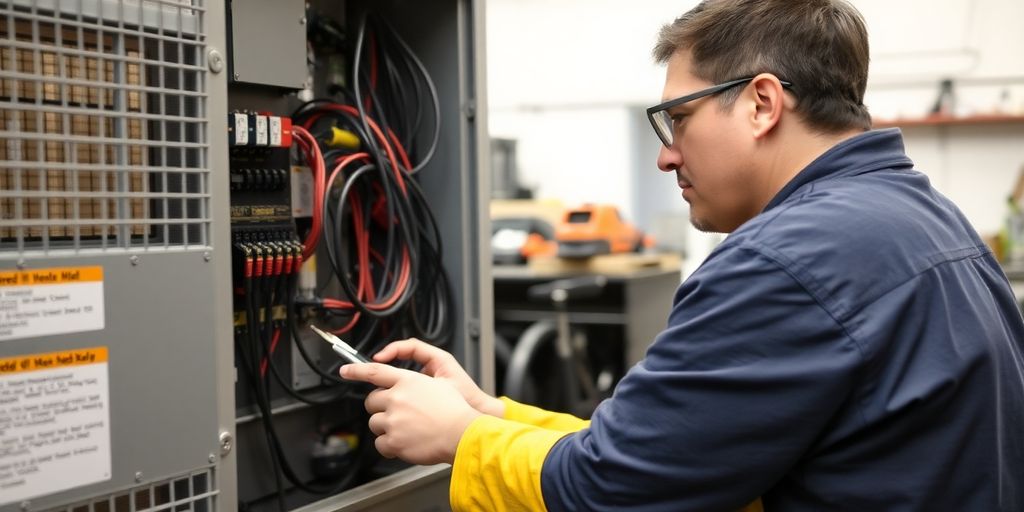
When dealing with mesh welding machines, electrical problems are among the most common headaches. Recognizing and fixing these electrical issues early can save you from costly repairs and downtime.
Checking Power Supply and Connections
First things first, you’ve got to ensure the power supply is stable. If the machine isn’t starting, it might be due to a dead power circuit or a broken power lead. Check the voltage and make sure it matches the machine’s requirements. Also, have a look at the connections; loose or corroded connections can cause all sorts of problems. Regularly inspect these and tighten any loose screws or replace rusty ones.
Inspecting Circuit Breakers and Fuses
Circuit breakers and fuses are there to protect your machine, but they can fail or trip when there’s an issue. If the machine suddenly stops working, check if the circuit breaker has tripped or if a fuse has blown. For automatic mesh welding machines, fuses should be 2-3 times the motor’s rated current to handle startup surges. Replace any blown fuses and reset tripped breakers, but if this happens frequently, it might indicate a deeper problem.
Evaluating Control Panels for Faults
The control panel is like the brain of your mesh welding machine. If it’s not functioning properly, the whole machine can act up. Look for any error messages or unusual behavior on the display. Sometimes, simply restarting the control panel can solve minor glitches. However, persistent issues might require checking for faulty wiring or defective components within the panel. For more complex systems, like those found in wire mesh welding machines, it might be necessary to consult the manual or contact a professional for a detailed diagnosis.
Regular checks and maintenance of electrical components are crucial. They not only ensure the smooth operation of your machine but also extend its lifespan. Keeping an eye on these aspects can prevent unexpected breakdowns and maintain productivity.
Addressing Mechanical Failures in Mesh Welding Equipment
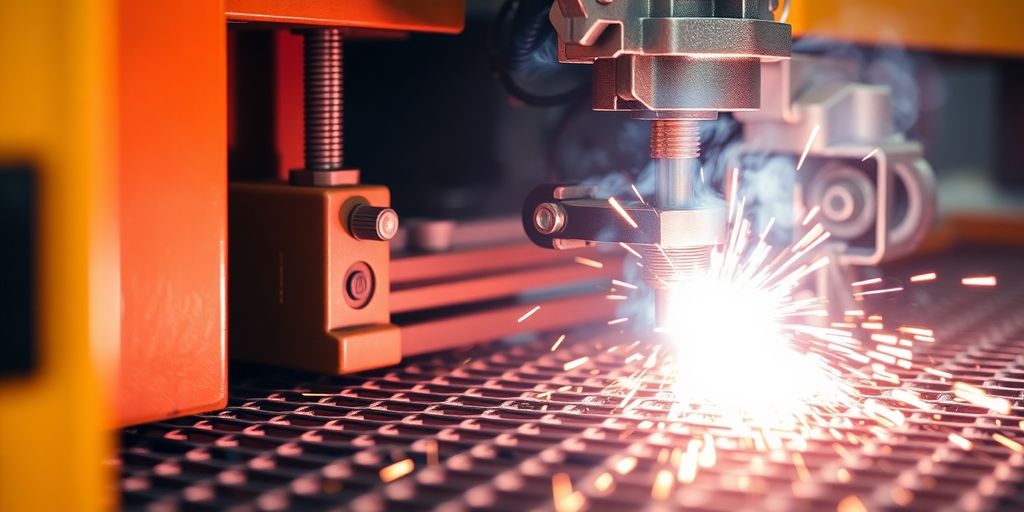
Examining Welding Head and Pressure Settings
When your mesh welding machine is acting up, the welding head and pressure settings are often the first places to check. Ensuring the welding head is properly aligned can prevent a lot of headaches. Misalignment often leads to poor weld quality and increased wear on the machine. Start by inspecting the welding head for any visible signs of wear or damage. If the welds are weak, it might be due to insufficient pressure. Adjusting the pressure settings can sometimes solve this issue.
Here’s a quick checklist:
- Check for obvious signs of wear or damage on the welding head
- Ensure the welding head is aligned correctly
- Adjust pressure settings to match material specifications
Assessing Wire Feed Mechanisms
The wire feed mechanism is crucial for smooth operation. If the wire isn’t feeding correctly, it can lead to inconsistent welds or even halt production altogether. Begin by checking the wire spool and feed rollers for any blockages or misalignments. Sometimes, the wire tension might be too tight or too loose, affecting the feed rate.
Consider these steps:
- Inspect the wire spool for tangles or knots
- Check feed rollers for wear or debris
- Adjust wire tension to ensure smooth feeding
Troubleshooting Sensor Malfunctions
Sensor issues can be tricky but are often straightforward to fix once identified. Sensors play a vital role in ensuring the machine operates correctly and safely. If a sensor is malfunctioning, it might cause the machine to stop unexpectedly or produce poor quality welds. Start by cleaning the sensors to remove any dust or debris that might be causing interference. If the problem persists, recalibrating the sensors might be necessary.
Here’s what you can do:
- Clean sensors regularly to prevent dust buildup
- Recalibrate sensors according to the manufacturer’s instructions
- Replace any faulty sensors to maintain optimal performance
Regular maintenance and inspection of your mesh welding machine can prevent many mechanical failures. Addressing issues early not only improves weld quality but also extends the life of your equipment. Keeping a detailed log of any problems and solutions can be invaluable for future troubleshooting.
Resolving Welding Quality Problems
Improving Weld Strength and Consistency
Getting welds that are strong and consistent isn’t just about having the right equipment. It’s about technique and preparation. First off, make sure your base metal is clean—no grease, paint, or rust. Use a wire brush or grinder to get a nice, clean surface. Next, check your welding settings. Follow the manufacturer’s instructions for the type of welding you’re doing and the material thickness. If you’re dealing with cracks, preheating the metal can help reduce stress and choosing the right electrode is crucial.
Eliminating Spatter and Arc Blow
Spatter can be a real pain, leaving behind those unwanted droplets of molten metal. To cut down on spatter, make sure your current settings aren’t too high. Check the polarity and ensure your shielding gas is flowing properly. If you’re having trouble with arc blow, which is when the arc wanders, you might need to adjust the arc length or check your gas flow. Sometimes, simply cleaning your equipment can make a big difference.
Correcting Porosity and Contamination Issues
Porosity can mess up your welds, leaving them weak and full of holes. This often happens because of trapped gases. Use fresh welding consumables and ensure your shielding gas is working correctly. Also, dry your base metal thoroughly before starting. If contamination is the issue, cleaning the metal surface is key. Make sure there’s no moisture or rust and keep your gas nozzle clean to avoid these problems. It’s all about keeping things clean and checking your settings.
Optimizing Machine Setup and Maintenance
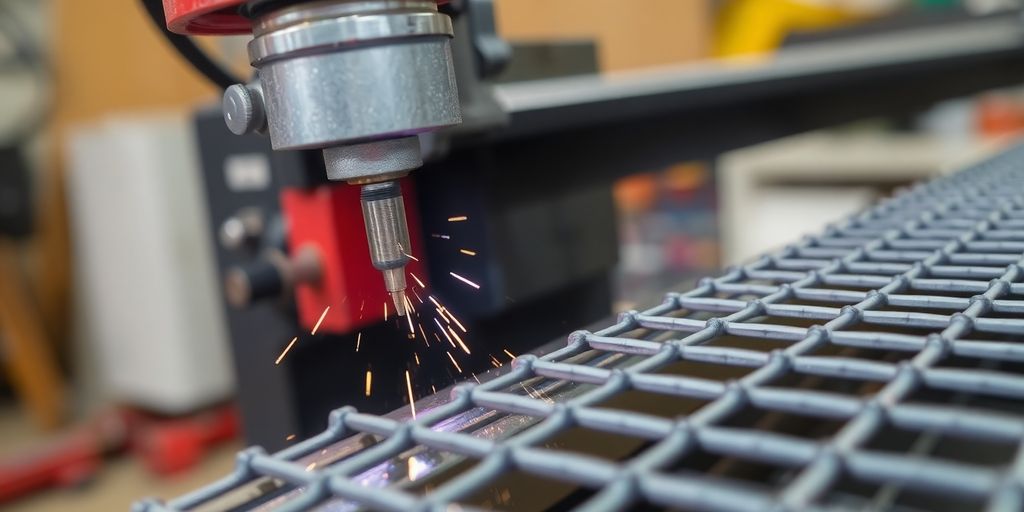
Ensuring Proper Installation and Grounding
Before you even start using your mesh welding machine, proper installation and grounding are crucial. Make sure the machine is securely grounded to prevent electrical hazards. Here are some basic steps:
- Install the earthing for both the machine body and the workpiece.
- Confirm that the input electricity matches the required voltage—whether it’s single-phase, two-phase, or three-phase.
- Ensure the electrode holder and return cable are correctly connected.
These steps help in maintaining a safe working environment and preventing potential electrical issues.
Regular Cleaning and Component Checks
Keeping your machine clean is not just about aesthetics; it’s about functionality. Regular cleaning prevents dust and debris from affecting machine performance. Here’s a simple checklist:
- Wipe down the machine with a clean, dry cloth after each use.
- Inspect and clean the control panel and switches.
- Check for any loose wires or connections.
Routine checks can identify small issues before they become big problems, saving time and money in the long run.
Adjusting Machine Settings for Efficiency
Efficiency is key when it comes to welding. Adjusting your machine settings can vastly improve performance. Consider the following:
- Fine-tune the welding current and voltage settings based on the material thickness.
- Regularly calibrate the machine to ensure accuracy.
- Experiment with different settings to find the most efficient setup for your specific tasks.
“A well-maintained machine not only performs better but also lasts longer, reducing downtime and repair costs.”
By following these steps, you can optimize your mesh welding machine’s performance and extend its lifespan. Regular maintenance and proper setup are essential for smooth operations.
Understanding and Managing Thermal Overloads
Recognizing Signs of Overheating
Thermal overloads can be a real headache when dealing with mesh welding machines. Recognizing the signs early can save a lot of trouble. You might notice the machine shutting down unexpectedly or the warning lights flickering. These are telltale signs that your machine is overheating. Often, the welder might feel unusually hot to the touch, or you might hear the cooling fans working harder than usual. Keeping an eye out for these symptoms can help you address the issue before it leads to more serious damage.
Cooling System Maintenance
Maintaining the cooling system is crucial to prevent overheating. Here’s a quick checklist:
- Make sure the cooling fans are operational and not blocked by dust or debris.
- Regularly clean the air filters and replace them if necessary.
- Check the coolant levels, if applicable, and top them off as needed.
Proper maintenance of the cooling system ensures that your machine runs smoothly and avoids unnecessary downtime.
Balancing Duty Cycle and Workload
Understanding the duty cycle of your welding machine is essential. The duty cycle indicates how long a machine can operate continuously without overheating. For instance, if a machine has a 60% duty cycle, it can run for 6 minutes out of every 10 at full capacity. Exceeding this can lead to thermal overload.
Here’s a simple table to help understand duty cycle better:
| Duty Cycle (%) | Continuous Operation Time (minutes) | Rest Time (minutes) |
|---|---|---|
| 60% | 6 | 4 |
| 50% | 5 | 5 |
| 40% | 4 | 6 |
Balancing the workload with the duty cycle is key to preventing overheating. If you find the machine overheating often, it might be time to reduce the workload or upgrade to a machine with a higher duty cycle.
Keeping your mesh welding machine in top shape requires vigilance. Recognizing the signs of overheating, maintaining the cooling system, and understanding the duty cycle can go a long way in preventing thermal overloads and ensuring the longevity of your equipment.
Enhancing Operator Skills for Better Troubleshooting
Training on Common Machine Issues
Operators need to be well-versed with the typical problems that arise during the welding process. Knowing the ins and outs of the machine helps in quickly identifying and fixing issues. Training sessions should cover the basics of machine components and their functions, such as the welding head, wire feed mechanisms, and control panels. Hands-on practice with troubleshooting techniques can significantly cut down on downtime, leading to more efficient operations.
Developing Diagnostic Techniques
Having a set of diagnostic techniques at the ready is crucial for any operator. This involves understanding the symptoms of common problems, such as overheating, irregular welds, or machine stoppages. Operators should be trained to use diagnostic tools effectively, like multimeters for electrical issues or thermal cameras for detecting overheating components. A systematic approach to diagnosing issues not only saves time but also prevents further damage to the equipment.
Implementing Safety Protocols
Safety should never be an afterthought. Every operator must be familiar with the safety protocols specific to their equipment. This includes understanding the importance of proper grounding, the use of personal protective equipment (PPE), and emergency shutdown procedures. Regular safety drills can help reinforce these protocols and ensure that operators are prepared for any emergency situations. Safety training also involves educating operators about the potential hazards associated with automated mesh welding, such as electrical shocks or thermal burns, and how to mitigate these risks effectively.
Wrapping It Up
So, there you have it. Mesh welding machines, like any other piece of equipment, come with their own set of quirks and issues. But don’t let that scare you off. With a bit of patience and some basic troubleshooting know-how, most problems can be tackled head-on. Remember, it’s all about understanding the machine’s needs and keeping up with regular maintenance. Whether it’s a noisy arc or a stubborn wire feed, there’s usually a straightforward fix. And if things get too tricky, don’t hesitate to call in a pro. At the end of the day, keeping your machine in top shape means smoother operations and less downtime. Happy welding!
Frequently Asked Questions
What should I do if my mesh welding machine won’t turn on?
First, check if the power is connected. Look for any blown fuses or tripped circuit breakers. If everything seems fine, inspect the power cord for any damage.
Why is the welding quality poor and how can I fix it?
Poor welding quality can be due to incorrect settings or dirty materials. Ensure the machine settings match the material type and thickness. Clean the materials to remove any rust or oil.
How can I stop my machine from overheating?
Ensure the cooling system is working properly. Check for any blockages in air vents and clean them. Also, make sure the machine is not overloaded by balancing the workload.
What causes the welding arc to be too loud and spatter a lot?
A loud arc and excessive spatter can be caused by high current settings. Make sure the current and voltage settings are correct for the material and process you are using.
How do I fix a sensor malfunction in my welding machine?
Check if the sensors are clean and properly connected. If they are damaged, you may need to replace them. Also, ensure the sensor settings are correctly configured.
What maintenance should I perform regularly on my mesh welding machine?
Regularly clean the machine and check all components for wear and tear. Make sure all connections are tight and inspect the cooling system. Regular maintenance helps prevent major issues.


