
Mesh welding plays a crucial role in building strong and safe infrastructure. This technology helps create solid structures that can last for many years. By understanding how mesh welding works and its benefits, we can see why it’s important in construction projects.
Key Takeaways
- Mesh welding is a method that joins metal wires together to create a strong mesh.
- It has been used for many years, evolving to meet the needs of modern construction.
- This technique is essential in building bridges, roads, and foundations.
- Using mesh welding can save time and money compared to older methods.
- Future advancements in mesh welding will likely focus on being more eco-friendly and efficient.
Understanding Mesh Welding Technology
Basics of Mesh Welding
Mesh welding is a process that joins metal wires together to create a strong grid-like structure. This method is often used in construction because it provides excellent strength and durability. The welded mesh can be used in various applications, such as fencing and concrete reinforcement.
Historical Development of Mesh Welding
The development of mesh welding technology has evolved over the years. Initially, it was done manually, but with advancements in technology, machines have taken over. This shift has made the process faster and more efficient, allowing for larger projects to be completed in less time.
Key Components of Mesh Welding Machines
Mesh welding machines consist of several important parts:
- Welding Electrodes: These are used to join the wires together.
- Control System: This helps in managing the welding process.
- Feeding Mechanism: It ensures that the wires are fed into the machine correctly.
| Component | Function |
|---|---|
| Welding Electrodes | Join wires together |
| Control System | Manage the welding process |
| Feeding Mechanism | Feed wires into the machine |
Mesh welding is a vital technology that enhances the strength of various structures, making it a preferred choice in modern construction.
In summary, mesh welding technology is essential for creating strong and durable structures. Its historical development shows how far we’ve come, and understanding the key components helps in appreciating its role in construction.
Applications of Mesh Welding in Infrastructure
Use in Bridge Construction
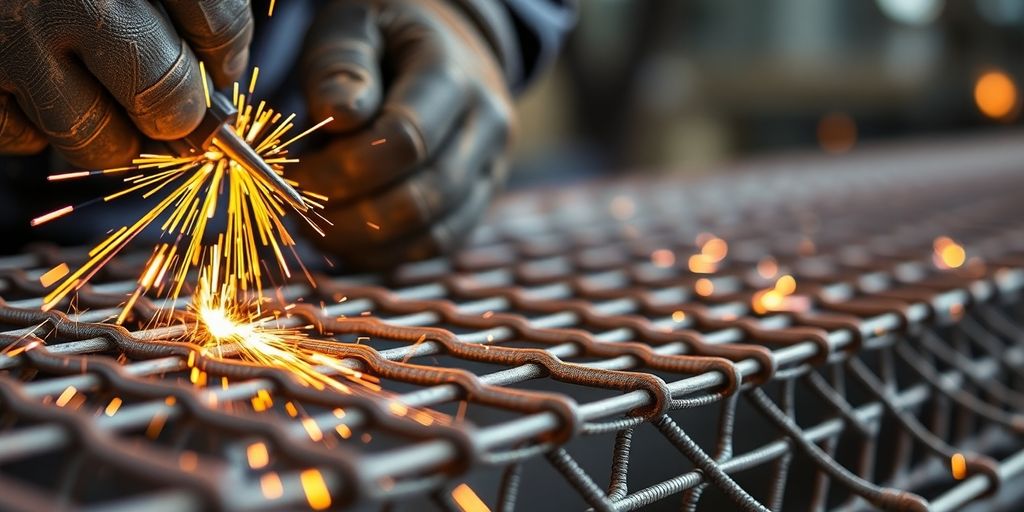
Mesh welding plays a crucial role in building strong bridges. It provides a solid framework that can withstand heavy loads and harsh weather. The use of mesh welding helps in creating durable structures that last longer.
Role in Roadway Reinforcement
In roadway projects, mesh welding is used to reinforce concrete. This technique helps to prevent cracks and increases the lifespan of roads. Here are some key benefits of using mesh welding in road construction:
- Increased strength of the road surface
- Better resistance to wear and tear
- Reduced maintenance costs over time
Impact on Building Foundations
Mesh welding is essential for strong building foundations. It ensures that the base of a structure can support the weight above it. The following points highlight its importance:
- Provides stability to the structure
- Helps in distributing weight evenly
- Reduces the risk of foundation failure
Mesh welding is not just a technique; it is a vital part of modern construction that ensures safety and durability.
Overall, the applications of mesh welding in infrastructure projects are vast and significant, making it a preferred choice for engineers and builders alike.
Advantages of Mesh Welding Over Traditional Methods
Enhanced Structural Integrity
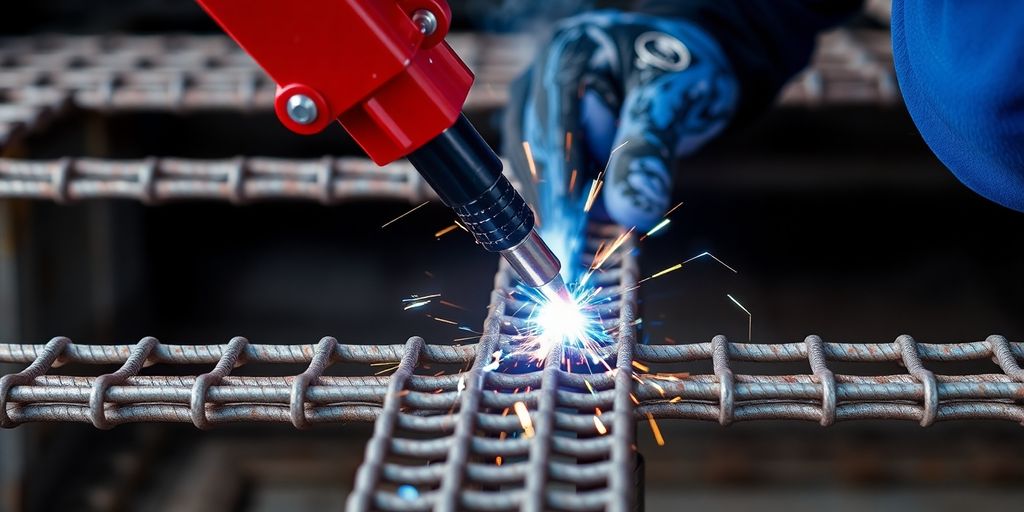
Mesh welding provides stronger connections between materials compared to traditional methods. This results in structures that can withstand greater loads and stresses. The welded mesh is designed to distribute weight evenly, which helps prevent cracks and failures.
Cost-Effectiveness and Efficiency
Using mesh welding can save both time and money. Here are some reasons why:
- Faster installation: Mesh welding speeds up the construction process.
- Less material waste: Precise welding reduces excess material usage.
- Lower labor costs: Fewer workers are needed due to automation.
Environmental Benefits
Mesh welding is also better for the environment. It reduces waste and energy consumption. For example, the top innovations in mesh welding technology for 2024 include robotic systems that enhance efficiency by automating mesh transfer. This not only cuts down on labor costs but also improves safety on job sites. Additionally, high-strength coatings increase durability and corrosion resistance, making welded mesh more reliable.
Mesh welding is a modern solution that combines strength, efficiency, and sustainability, making it a preferred choice for many infrastructure projects.
Challenges in Implementing Mesh Welding
Technical Limitations
Mesh welding technology, while advanced, does have some technical challenges. These can include:
- Material Compatibility: Not all materials can be welded together effectively.
- Welding Speed: Sometimes, the speed of welding can affect the quality of the weld.
- Equipment Maintenance: Regular maintenance is needed to keep machines running smoothly.
Cost Implications
Implementing mesh welding can be expensive. Some of the costs involved are:
- Initial Investment: Buying welding machines can be costly.
- Operational Costs: Ongoing costs for materials and energy.
- Repair Costs: Machines may need repairs, adding to expenses.
Training and Skill Requirements
To use mesh welding technology effectively, workers need proper training. This includes:
- Understanding Equipment: Knowing how to operate the machines safely.
- Welding Techniques: Learning the right methods for different materials.
- Safety Protocols: Being aware of safety measures to prevent accidents.
Implementing mesh welding requires careful planning and investment, but the benefits can outweigh the challenges.
Future Trends in Mesh Welding for Infrastructure
Technological Innovations
The future of mesh welding is bright, with new technologies emerging that enhance efficiency and quality. Innovations such as automated welding machines are becoming more common, allowing for faster and more precise work. These machines can significantly improve safety and durability in construction projects.
Increasing Adoption in Emerging Markets
As countries develop, the demand for strong infrastructure grows. Mesh welding is gaining popularity in emerging markets due to its cost-effectiveness and ability to strengthen structures. This trend is expected to continue as more builders recognize the benefits of using mesh welding in their projects.
Sustainability and Environmental Considerations
With a focus on protecting the environment, mesh welding is becoming a preferred choice. It offers several environmental benefits, such as reducing waste and using fewer resources compared to traditional methods. Builders are increasingly looking for ways to make their projects more sustainable, and mesh welding fits perfectly into this goal.
The shift towards mesh welding not only enhances the strength of infrastructure but also aligns with modern sustainability goals.
In summary, the future of mesh welding in infrastructure looks promising, driven by technological advancements, growing acceptance in developing regions, and a commitment to sustainability.
- Key Points:
- New technologies improve efficiency.
- Emerging markets are adopting mesh welding.
- Environmental benefits are significant.
Case Studies of Successful Mesh Welding Projects
Major Infrastructure Projects Utilizing Mesh Welding
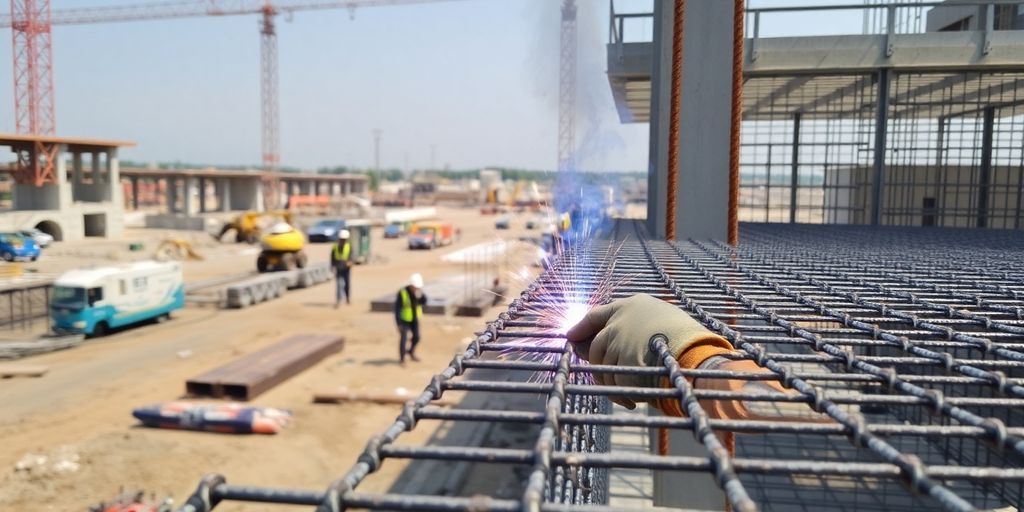
Mesh welding has been a game changer in many big projects. Here are some notable examples:
- Golden Gate Bridge: Used mesh welding for its structural support, enhancing durability.
- Panama Canal Expansion: Implemented mesh welding to reinforce concrete structures, ensuring safety and longevity.
- High-Speed Rail in California: Utilized mesh welding for track foundations, improving stability and reducing maintenance costs.
Comparative Analysis with Traditional Methods
When comparing mesh welding to traditional methods, several key differences emerge:
| Feature | Mesh Welding | Traditional Methods |
|---|---|---|
| Speed | Faster installation | Slower due to manual processes |
| Cost | More cost-effective | Higher long-term costs |
| Structural Integrity | Enhanced strength | Standard strength |
Lessons Learned from Past Projects
From these projects, we can learn important lessons:
- Proper Installation: Ensures the effectiveness of mesh welding.
- Material Quality: High-quality materials lead to better outcomes.
- Training: Skilled workers are essential for successful implementation.
Mesh welding is not just a technique; it’s a vital part of modern construction that helps build safer and stronger structures. Its role in infrastructure projects cannot be overstated.
Safety Considerations in Mesh Welding
Workplace Safety Protocols
Ensuring safety in mesh welding is crucial. Here are some key protocols:
- Wear protective gear: Always use helmets, gloves, and goggles.
- Maintain a clean workspace: Keep the area free of clutter to avoid accidents.
- Follow emergency procedures: Know the steps to take in case of an accident.
Equipment Safety Standards
Using the right equipment is essential for safe mesh welding. Key standards include:
- Regular maintenance: Check machines frequently to ensure they are in good condition.
- Proper training: Operators should be trained on how to use equipment safely.
- Safety features: Machines should have built-in safety mechanisms to prevent injuries.
Training for Safe Operations
Training is vital for safe mesh welding practices. Important aspects include:
- Hands-on training: Practical experience helps workers understand equipment better.
- Safety workshops: Regular workshops can keep safety knowledge fresh.
- Certification programs: Completing a certification can ensure workers are qualified.
Safety in mesh welding is not just about following rules; it’s about creating a culture where everyone looks out for each other. Prioritizing safety can prevent accidents and save lives.
In summary, mesh welding safety involves following workplace protocols, adhering to equipment standards, and ensuring proper training. By focusing on these areas, we can create a safer environment for all workers involved in infrastructure projects.
Conclusion
In summary, mesh welding plays a crucial role in making our buildings and roads stronger and safer. By using welded mesh, we can ensure that structures can handle heavy loads and resist damage from natural events like earthquakes and floods. This method not only improves the durability of our infrastructure but also helps save money in the long run by reducing repairs. As we continue to build and improve our cities, mesh welding will remain an important technique that supports the safety and longevity of our projects.
Frequently Asked Questions
What is mesh welding?
Mesh welding is a process that joins metal wires together to create a strong grid-like structure. This is often used in construction to make buildings and roads stronger.
How is mesh welding different from regular welding?
Unlike regular welding, which usually joins two pieces of metal, mesh welding connects many wires at once to form a mesh. This makes it faster and more efficient for large projects.
What are the main uses of mesh welding?
Mesh welding is mainly used in building bridges, reinforcing roads, and supporting foundations for buildings. It helps make these structures safer and more durable.
Are there any downsides to mesh welding?
Yes, some challenges include the need for special equipment, costs for materials, and the requirement for workers to be trained in how to use the machines safely.
What are the benefits of using mesh welding?
Mesh welding offers several advantages, such as making structures stronger, saving money and time, and being better for the environment compared to some traditional methods.
What should workers know about safety in mesh welding?
Workers need to follow safety rules, use the right protective gear, and be trained properly to avoid accidents while using mesh welding equipment.


