
Lately, there’s been a noticeable uptick in the use of PU sandwich panels for commercial buildings due to their flexible in terms of customization. And these should be credited on the advantages of PU sandwich panels production line. For those who don’t know, PU sandwich panels are mostly manufactured through automatic production lines where all you need to do is to put the original materials and press the button, and then you get your pu sandwich panels you want. Of course you need to preset the features of these sandwich panels that you want.
These panels aren’t just a passing trend; they’re becoming a staple in construction due to their unique benefits. From improving energy efficiency to providing fire resistance, PU sandwich panels offer a variety of advantages. Plus, with the construction industry booming and urban areas expanding, the demand for these panels is on the rise. Let’s dive into why these panels are gaining popularity and what this means for the future of building design.
Key Takeaways
- PU sandwich panels are increasingly used in commercial buildings for their energy efficiency and fire resistance.
- The construction boom and urbanization are major factors driving the demand for PU sandwich panels.
- Technological advancements in manufacturing are enhancing the quality and applications of PU sandwich panels.
- Sustainability and eco-friendly building practices are boosting the popularity of these panels.
- Despite challenges, such as cost, the market for PU sandwich panels shows significant growth potential.
Understanding PU Sandwich Panels
What Are PU Sandwich Panels?
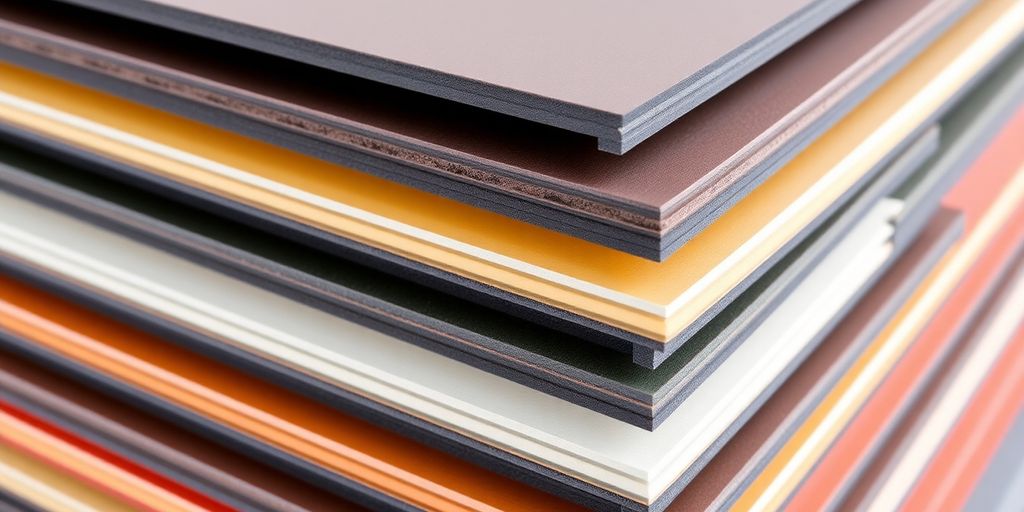
PU sandwich panels are a type of building material that consists of a core made from Polyurethane (PU) sandwiched between two layers of protective material, typically metal. These panels are known for their excellent thermal insulation properties and lightweight nature. They are widely used in construction due to their ability to maintain consistent interior temperatures, which is crucial for energy efficiency.
Key Features of PU Sandwich Panels
- Thermal Insulation: PU sandwich panels offer superior thermal insulation, which helps in reducing energy costs for heating and cooling.
- Lightweight and Durable: Despite being lightweight, these panels are incredibly durable, offering long-lasting performance.
- Fire Resistance: They possess good fire-resistant properties, making them a safe choice for various building applications.
Benefits of Using PU Sandwich Panels
- Energy Efficiency: By providing excellent thermal insulation, PU sandwich panels help maintain stable indoor temperatures, reducing the need for additional heating or cooling.
- Quick Installation: The panels are easy to install, which can significantly cut down on construction time and labor costs.
- Versatility: They can be used in a variety of applications, from cold storage facilities to office buildings, due to their customizable sizes and finishes.
PU sandwich panels are revolutionizing the way we think about building materials, offering a blend of efficiency, safety, and versatility that meets the demands of modern construction.
The Role of PU Sandwich Panels in Energy Efficiency

PU sandwich panels are like the unsung heroes of energy efficiency in buildings. They’re made up of two thin layers of metal with a core of polyurethane foam, which is excellent at keeping heat where it belongs. These panels trap heat inside during the winter and keep it out during the summer, reducing the need for heating and cooling systems. This not only saves energy but also cuts down on utility bills, which is something everyone can appreciate.
Comparing PU Sandwich Panels to Traditional Insulation
When you stack up PU sandwich panels against traditional insulation, the differences are clear. Here’s a quick look:
| Feature | PU Sandwich Panels | Traditional Insulation |
|---|---|---|
| Installation Speed | Fast | Slower |
| Thermal Performance | High | Varies |
| Durability | Long-lasting | Moderate |
| Moisture Resistance | High | Varies |
PU panels are quicker to install, which means less time on the construction site. Their thermal performance is consistently high, and they’re built to last, resisting moisture and wear over time. Traditional insulation can’t always promise the same.
Case Studies: Energy Savings with PU Sandwich Panels
Let’s talk numbers. In several case studies, buildings using PU sandwich panels have shown significant energy savings. For instance:
- Office Buildings: Retrofitting with PU panels led to a 30% reduction in energy use.
- Cold Storage Facilities: Energy consumption dropped by 25% after installation.
- Industrial Warehouses: Achieved a 20% decrease in heating and cooling costs.
PU sandwich panels aren’t just a trend; they’re a smart investment for anyone looking to cut energy costs and boost efficiency.
With the rise of PU sandwich panel machines, the production of these panels is becoming more efficient, making them a go-to choice for modern construction projects.
Fire Resistance and Safety of PU Sandwich Panels
Fire-Resistant Properties of PU Sandwich Panels
Polyurethane (PU) sandwich panels are gaining popularity due to their fire-resistant properties. These panels are designed with a core material that can withstand high temperatures, making them an ideal choice for buildings where fire safety is a priority. The core materials, such as Polyisocyanurate (PIR), provide superior fire performance compared to other materials, ensuring that the panels don’t just melt away in a fire.
- Fire Performance: PU panels are engineered to char rather than ignite, reducing the spread of flames.
- Thermal Insulation: The core material provides excellent insulation, which is vital in preventing the conduction of heat during a fire.
- Compliance: They meet stringent fire safety regulations, making them suitable for industrial and commercial applications.
Safety Standards for PU Sandwich Panels
Safety standards are crucial for PU sandwich panels to ensure they perform effectively in real-world conditions. These panels must adhere to rigorous testing and certification processes to be used in construction.
- Testing: Panels undergo fire resistance tests to evaluate their performance under extreme conditions.
- Certification: They must be certified by recognized bodies to ensure compliance with fire safety standards.
- Regulations: Adhering to local and international building codes is essential for the safe use of these panels.
Ensuring that PU sandwich panels meet safety standards is not just about compliance; it’s about protecting lives and property.
Real-World Applications of Fire-Resistant PU Panels
PU sandwich panels are used in various applications where fire resistance is essential. From cold storage facilities to office buildings, these panels provide a reliable solution for fire safety.
- Industrial Buildings: Often used in factories and warehouses where fire hazards are a concern.
- Commercial Spaces: Ideal for shopping centers and office buildings due to their fire-resistant properties.
- Residential Use: Increasingly used in homes to provide an extra layer of fire protection.
These panels are a part of the growing demand for energy-efficient building solutions, providing not only fire resistance but also thermal and acoustic insulation. As the construction industry continues to evolve, the use of PU sandwich panels is expected to rise, driven by the need for safety and efficiency.
Market Trends Driving the Demand for PU Sandwich Panels
Growth in the Construction Industry
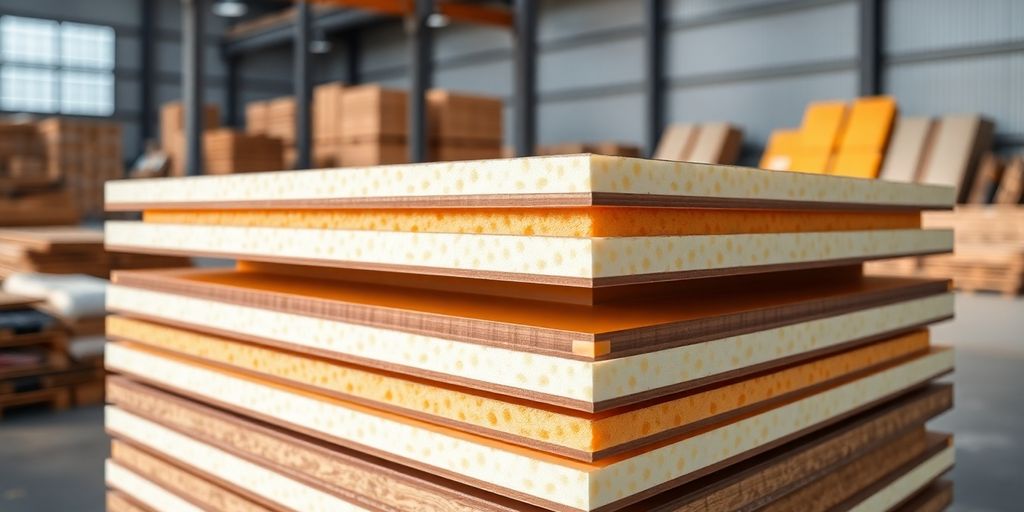
The construction world is booming, especially in places like Asia Pacific where commercial growth and population are skyrocketing. This surge means there’s a big need for building materials that are both strong and energy-efficient. PU sandwich panels are stepping up to meet this demand. They’re not just about insulation; they bring structural strength to the table, making them a go-to choice for fast-paced construction projects.
Impact of Urbanization on PU Panel Demand
As cities grow and more people move into urban areas, the demand for modern infrastructure rises. This urbanization trend is pushing the need for materials that can be put up quickly and still meet energy-saving goals. PU sandwich panels are perfect for this, offering a balance of quick installation and long-term energy efficiency. Developers love them because they cut down on construction time without sacrificing quality.
Technological Advancements in PU Panel Manufacturing
The tech behind PU sandwich panels is always evolving. New manufacturing processes are making these panels even more efficient and eco-friendly. For instance, automated production lines ensure consistent quality and performance, while innovations in core materials improve insulation and fire resistance. These advancements not only enhance the panels’ functionality but also reduce their environmental footprint, making them a popular choice for builders focused on sustainability.
Sustainability and Environmental Impact of PU Sandwich Panels
The production of PU sandwich panels has become increasingly eco-friendly. Manufacturers are incorporating more sustainable practices, like using recycled materials and reducing waste. Innovations in production technology have enabled the use of less energy-intensive processes, further minimizing the carbon footprint of these panels.
- Use of recycled materials in production
- Reduction of waste during manufacturing
- Energy-efficient production methods
PU sandwich panels are not just about energy efficiency; they’re also about sustainability. These panels can be recycled at the end of their life cycle, which is a big plus. The materials used in PU panels can be broken down and reused, reducing the need for new raw materials and helping to cut down on landfill waste.
- Panels can be disassembled and recycled
- Materials are reused, reducing raw material needs
- Helps in minimizing landfill waste
PU sandwich panels play a significant role in achieving green building certifications. Buildings that use these panels often meet or exceed the standards set by green building councils. This is due to their superior insulation properties, which contribute to energy savings and reduced environmental impact.
By integrating PU sandwich panels, builders can significantly improve a building’s energy performance, making them a preferred choice for sustainable construction projects.
These panels are a key component in the push towards more sustainable building practices, offering both environmental benefits and compliance with rigorous building standards.
Applications of PU Sandwich Panels in Commercial Buildings
Use in Cold Storage and Refrigeration
PU sandwich panels are a top choice for cold storage and refrigeration units. Their superior thermal insulation and vapor diffusion resistance make them ideal for maintaining the low temperatures required in these settings. They help in reducing energy consumption, which is crucial for businesses looking to cut down on operational costs. As PU sandwich panels continue to gain traction, more cold chain infrastructures are adopting them, particularly in regions like North America and Asia Pacific.
PU Panels in Office Buildings
In office buildings, PU panels provide an efficient insulation solution, contributing to a comfortable indoor environment. They help in regulating temperature, thus reducing the reliance on heating and cooling systems. This not only cuts down on energy bills but also aligns with the growing trend towards sustainable building practices. Moreover, their quick installation process minimizes downtime, making them a preferred choice for office renovations.
Innovative Uses in Modern Architecture
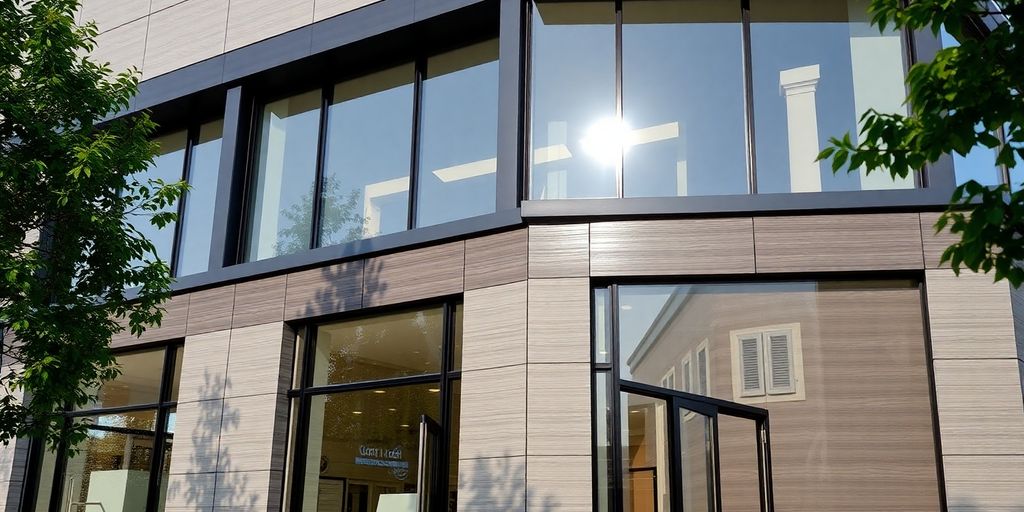
Architects are increasingly turning to PU sandwich panels for their versatility and aesthetic appeal. These panels are not just functional but also offer a sleek, modern look that complements contemporary architectural designs. They’re used in facades, partitions, and even roofs, providing both structural integrity and design flexibility. The multi-use polyurethane and rockwool panel production line highlights the innovative possibilities, showcasing how these panels can be tailored to meet specific architectural needs.
As the demand for energy-efficient and sustainable building materials grows, PU sandwich panels are emerging as a key player in the commercial construction sector. Their adaptability and performance make them a valuable asset in creating modern, efficient buildings.
Challenges and Opportunities in the PU Sandwich Panel Market
Overcoming Cost Barriers
One of the biggest hurdles in the PU sandwich panel market is the cost factor. These panels, while offering great benefits, tend to be pricier than traditional building materials. This can be a deal-breaker for budget-conscious projects. But here’s the thing: as production technologies advance, like those used by Zhejiang Yizhou Technology, we might see costs come down. More efficient manufacturing processes could make these panels more affordable, opening up new opportunities for wider adoption.
Opportunities in Emerging Markets
Emerging markets are a goldmine for PU sandwich panels. The rapid urbanization and industrial growth in regions like Asia and Africa are driving demand for quick and efficient construction solutions. However, there’s a catch. Many in these regions aren’t aware of the benefits of these panels, seeing them as expensive or unfamiliar. Educating these markets about the long-term savings and efficiency of PU panels could unlock massive potential.
Addressing Supply Chain Issues
The COVID-19 pandemic threw a wrench in global supply chains, affecting the availability of materials needed for PU panel production. This led to delays and increased costs. Now, as the world recovers, there’s a push to create more resilient supply chains. Companies are looking to source materials locally and diversify suppliers to prevent future disruptions. This not only helps stabilize the market but also encourages local economies to thrive.
The future of PU sandwich panels is bright, but it hinges on overcoming these challenges. By addressing cost, awareness, and supply chain issues, the industry can tap into new markets and drive growth.
Conclusion
So, there you have it. The demand for PU sandwich panels in commercial buildings is on the rise, and it’s not hard to see why. These panels are ticking all the right boxes—energy efficiency, fire resistance, and ease of installation. As more folks get on board with green building practices and modular construction, these panels are becoming a go-to choice. Sure, they’re a bit pricier than some other options, but the benefits seem to outweigh the costs. With the push for sustainable construction and stricter energy regulations, PU sandwich panels are likely to keep gaining popularity. It’s a trend that’s here to stay, and it’ll be interesting to see how it shapes the future of building design.
Frequently Asked Questions
What exactly are PU sandwich panels?
PU sandwich panels are building materials made with two outer layers and a core of polyurethane foam. They are used for insulation and structural purposes in buildings.
Why are PU sandwich panels popular in construction?
They are popular because they provide excellent insulation, are lightweight, and are easy to install. This makes them ideal for energy-efficient buildings.
How do PU sandwich panels help in saving energy?
These panels have great insulation properties, which help in keeping the temperature inside a building stable, reducing the need for heating or cooling.
Are PU sandwich panels safe in case of a fire?
Yes, many PU sandwich panels are designed to be fire-resistant, meeting safety standards to help prevent the spread of fire.
Can PU sandwich panels be used in eco-friendly buildings?
Yes, they can be part of green building designs. They are made using processes that can be eco-friendly, and they help in reducing energy consumption.
What are some common uses of PU sandwich panels in commercial buildings?
They are commonly used in cold storage facilities, office buildings, and modern architectural designs for their insulation and structural benefits.


