
The world of 3D fence welded mesh machines is constantly evolving. New technologies are emerging all the time, pushing the boundaries of what’s possible in fence manufacturing. These advancements are not just about making things faster; they’re about improving quality, reducing costs, and creating more sustainable solutions. Let’s take a look at some of the key areas where we’re seeing the most exciting changes.
Innovative Welding Techniques
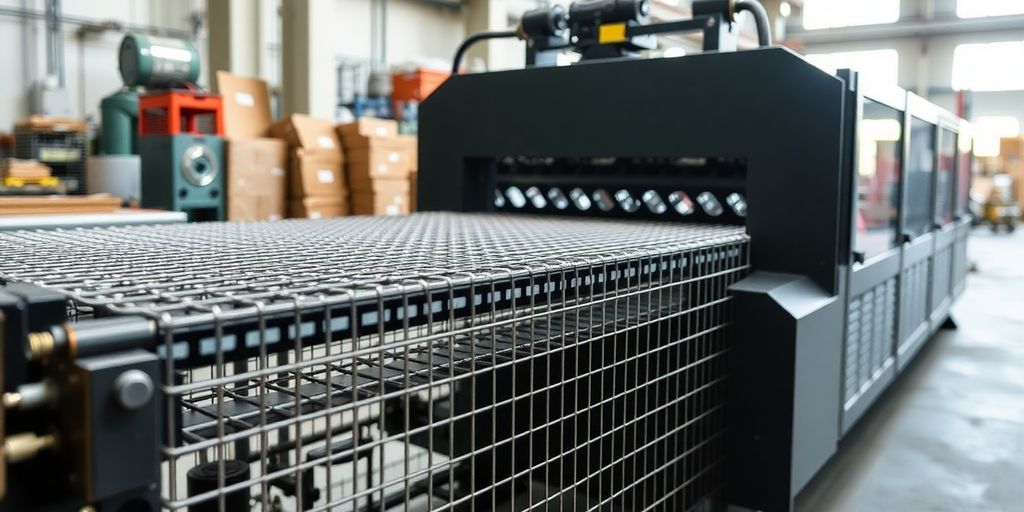
Welding is at the heart of creating 3D fence mesh, and there have been some pretty cool developments in this area. Traditional welding methods are being replaced by more precise and efficient techniques. One notable advancement is the use of automated robotic welding systems. These systems use lasers or advanced arc welding processes to create stronger, more consistent welds. This reduces the risk of defects and ensures that each weld meets the required specifications. The precision of these techniques also allows for more intricate designs and patterns, opening up new possibilities for fence aesthetics. These welding processes are now more efficient than ever.
Automation and Efficiency
Automation is revolutionizing the way 3D fence mesh is produced. Machines are now capable of handling more of the production process, from feeding the wire to welding and cutting the mesh. This not only speeds up production but also reduces the need for manual labor. Here’s a quick look at how automation is improving efficiency:
- Increased Speed: Automated machines can produce mesh much faster than manual methods.
- Reduced Labor Costs: Fewer workers are needed to operate the machines.
- Improved Consistency: Automation ensures that each mesh panel is produced to the same standards.
These advancements mean that manufacturers can produce more fence mesh at a lower cost, making it more accessible to consumers. It’s all about doing more with less, and automation is making that possible. The top steel mesh welding machine manufacturers are leading the charge in automation.
Integration of Smart Technology
Smart technology is finding its way into 3D fence welded mesh machines, making them more intelligent and easier to use. These machines are equipped with sensors and software that monitor the welding process in real-time, detecting any potential problems before they occur. This allows operators to make adjustments on the fly, preventing defects and ensuring that the mesh meets the required standards. Smart technology also enables remote monitoring and control, allowing manufacturers to keep an eye on their production lines from anywhere in the world. This level of control and visibility is transforming the way 3D fence mesh is produced, making it more efficient, reliable, and sustainable.
Key Features of the Best 3D Fence Welded Mesh Machines
Durability and Material Quality
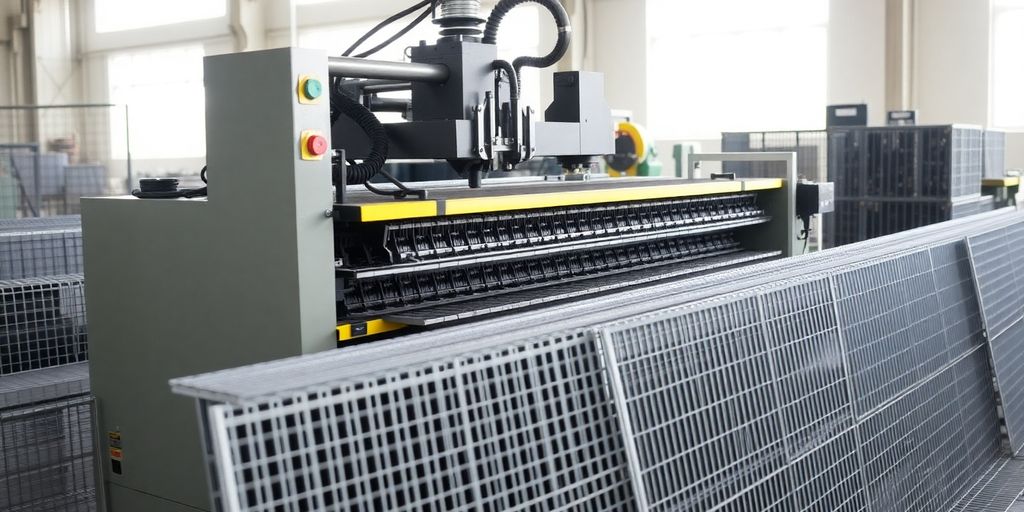
When you’re looking at 3D fence welded mesh machines, the big thing is how long the fences will last and what they’re made of. You want something that can handle the weather and won’t fall apart after a few years. The best machines use strong materials and make sure the welds are solid. This means the fences can stand up to wind, rain, and even someone trying to climb them. It’s all about getting the most for your money and not having to replace the fence all the time. Think about it like this: a cheap machine might save you money now, but a better one will save you a lot more in the long run because it lasts so much longer. Plus, better materials mean the fence looks nicer for longer, too. You can find top manufacturers that focus on quality materials.
Customization Options
One of the coolest things about modern 3D fence welded mesh machines is how much you can change things up. It’s not just about making the same fence over and over. You can tweak the design, the size, and even the type of mesh. This is super useful because every project is different. Maybe you need a taller fence for security, or a shorter one for a garden. With the right machine, you can do it all. Plus, you can play around with different patterns and styles to make the fence look exactly how you want it. It’s all about having the flexibility to customize options and get creative.
User-Friendly Interfaces
Let’s be real, no one wants to use a machine that’s a pain to operate. That’s why the best 3D fence welded mesh machines have interfaces that are easy to understand and use. Think big, clear screens and buttons that make sense. You shouldn’t need a degree in engineering to run one of these things. The goal is to make the whole process smoother, from setting up the machine to making adjustments on the fly. A good interface also helps prevent mistakes, which can save you time and money. It’s all about making the machine work for you, not the other way around. Plus, an easy-to-use machine means less training time for your team, which is always a good thing. The Electric Welded Mesh Machine is a good example of user-friendly design.
Comparative Analysis of Leading 3D Fence Welded Mesh Machines
Performance Metrics
When you’re trying to figure out which 3D fence welded mesh machine is the best, you really have to look at the numbers. It’s not just about what looks good on paper; it’s about how these machines actually perform in the real world. We’re talking about things like welding speed, accuracy, and how consistently they can churn out high-quality mesh. A machine that boasts a high welding speed but compromises on weld integrity isn’t going to cut it.
To really get a handle on this, you need to look at some hard data. Here’s a table showing some hypothetical performance metrics for three different machines:
| Machine Model | Welding Speed (m/min) | Accuracy (mm) | Uptime (%) |
|---|---|---|---|
| Model A | 8 | ±0.5 | 95 |
| Model B | 10 | ±0.8 | 92 |
| Model C | 7 | ±0.3 | 98 |
These numbers give you a clearer picture. Model B is the fastest, but Model C is the most accurate and reliable. It really depends on what you value most. Also, consider these points:
- Material Compatibility: Can the machine handle different wire gauges and materials?
- Power Consumption: How much energy does it use per unit of output?
- Maintenance Requirements: How often does it need servicing, and how easy is it to maintain?
Cost-Effectiveness
Okay, let’s talk money. Buying a 3D fence welded mesh machine is a big investment, so you need to make sure you’re getting the most bang for your buck. It’s not just about the initial price tag; you’ve got to think about the long-term costs too. Things like maintenance, repairs, and the cost of materials all add up. You might find a cheap machine upfront, but if it breaks down all the time or uses a ton of energy, it’s not really saving you any money in the long run. Think about advanced software solutions that can help optimize the machine’s performance and reduce waste.
Here’s what to consider:
- Initial Investment: What’s the upfront cost of the machine?
- Operating Costs: How much will you spend on energy, materials, and labor?
- Maintenance Costs: How much will it cost to keep the machine running smoothly?
Customer Satisfaction and Reviews
Alright, let’s get real – what are other people saying about these machines? Customer reviews and testimonials can be super helpful when you’re trying to make a decision. After all, these are the folks who are actually using the machines day in and day out. They can give you the inside scoop on things like reliability, ease of use, and customer support. Pay attention to what people are saying about the machine’s performance over time.
Here’s what to look for in customer reviews:
- Reliability: Do customers report frequent breakdowns or malfunctions?
- Ease of Use: Is the machine easy to operate and maintain?
- Customer Support: Is the manufacturer responsive and helpful when issues arise?
Also, don’t just rely on the manufacturer’s website. Check out independent review sites and forums to get a more balanced perspective. Consider the differences between woven and welded wire mesh and how the machine handles each type. Real user experiences can give you a much better idea of what to expect than any sales pitch ever could.
Applications of 3D Fence Welded Mesh Technology
Industrial and Commercial Uses
3D fence welded mesh technology has become a staple in industrial and commercial settings, largely due to its robust security features and adaptability. These fences are frequently used to secure perimeters of factories, warehouses, and other commercial properties. The enhanced strength and rigidity provided by the three-dimensional structure make it significantly more difficult to breach compared to traditional fencing options. Moreover, the open design allows for easy monitoring and surveillance, which is crucial for maintaining security in these environments. The quick install times translate into reduced labor costs, making it an attractive option for businesses looking to secure their premises efficiently. The use of advanced fence mesh welding machine ensures consistent quality and reduces the risk of weak points in the fence.
Residential Fencing Solutions
Beyond industrial applications, 3D fence welded mesh is also gaining popularity in residential settings. Homeowners are increasingly drawn to its aesthetic appeal and durability. Unlike traditional fences, 3D mesh offers a modern, clean look that can enhance the curb appeal of a property. The variety of available designs and finishes allows for customization to match the architectural style of the home. Furthermore, the robust construction provides an added layer of security, deterring potential intruders. It’s a great way to protect your home and family while adding value to your property. Many wealthy people protect their homes with strong fences. The curved 3D wire mesh not only looks good, but it also resists cutting and climbing, making it an ideal wall for rich people’s houses. The fences comprise three-dimensional wire mesh with irregular-shaped projections that enhance their strength. The three-dimensional aspect of the wire mesh makes it difficult to climb, thus making it an ideal fence for warehouses, schools, parks, and other public places. The fence comprises vertical steel wires, horizontal steel wires that are powder-coated, and irregular projections that look aesthetically pleasing. The combination of the vertical and horizontal wires forms a grid-like structure. A 3D fence welding wire mesh machine is designed to meet the highest standards of quality and durability, allowing for efficient and precise production of 3D fence panels.
Security and Safety Enhancements
One of the primary applications of 3D fence welded mesh technology is in enhancing security and safety across various sectors. Its unique design makes it particularly effective in preventing unauthorized access to sensitive areas. The three-dimensional structure makes it difficult to climb or cut through, providing a significant deterrent to potential intruders. This type of fencing is commonly used around critical infrastructure, such as power plants, water treatment facilities, and transportation hubs. Additionally, it is employed in public spaces like parks, stadiums, and playgrounds to protect people from unwanted entry. The curved structures make it really hard to cut or climb. These features make it ideal for protecting public places like parks, stadiums, and playgrounds from unwanted entry. The use of 3D fence welded mesh contributes to a safer environment by providing a reliable physical barrier and enhancing overall security measures.
Maintenance and Operational Guidelines for 3D Fence Welded Mesh Machines
Routine Maintenance Practices
Keeping your 3D fence welded mesh machine in tip-top shape is super important for smooth operations and a long lifespan. Think of it like taking care of your car—skip the oil changes, and you’re asking for trouble! Regular maintenance prevents breakdowns and ensures consistent quality in your mesh production.
Here’s a simple checklist to keep things running smoothly:
- Lubrication: Grease those moving parts! Use the right kind of lubricant as specified in your machine’s manual. This reduces friction and wear, preventing parts from seizing up. It’s like giving your machine a daily dose of vitamins.
- Cleaning: Dust and debris are the enemy. Regularly clean the machine to remove any buildup. This prevents clogs and ensures that all components function correctly. A clean machine is a happy machine.
- Inspections: Check for loose bolts, worn wires, and any signs of damage. Tighten or replace parts as needed. Early detection can prevent major problems down the road. Think of it as a regular health checkup for your machine.
- Calibration: Make sure everything is aligned and calibrated correctly. This ensures accurate and consistent welds. A well-calibrated machine produces high-quality mesh every time.
Troubleshooting Common Issues
Even with the best maintenance, problems can still pop up. Knowing how to troubleshoot common issues can save you time and money. Let’s be real, nobody wants their automatic wire feeding to go haywire.
Here are a few common problems and how to tackle them:
- Welding Issues: If the welds are weak or inconsistent, check the welding parameters (voltage, current, and time). Also, inspect the electrodes for wear and replace them if necessary. It’s like making sure your oven is set to the right temperature for baking.
- Wire Feeding Problems: If the wire isn’t feeding smoothly, check for obstructions in the wire path. Make sure the wire spools are properly aligned and the feeding mechanism is clean and lubricated. A smooth wire feed is essential for consistent mesh production.
- Alignment Problems: If the mesh isn’t aligned correctly, check the machine’s alignment and calibration. Adjust as needed to ensure accurate mesh dimensions. Proper alignment is key to producing high-quality mesh.
- Emergency Stops: Know where the emergency stop buttons are and how to use them. Test them regularly to ensure they function correctly. Safety first!
Training for Optimal Operation
Having a fancy machine is one thing, but knowing how to use it properly is another. Proper training is essential for maximizing the machine’s potential and preventing accidents. It’s like getting the keys to a sports car but not knowing how to drive.
Here are some key areas to focus on during training:
- Machine Operation: Teach operators how to start, stop, and adjust the machine’s settings. Make sure they understand the different functions and parameters. A well-trained operator can get the most out of the machine.
- Maintenance Procedures: Train operators on how to perform routine maintenance tasks, such as lubrication, cleaning, and inspections. This helps keep the machine in good working order and prevents breakdowns. Regular maintenance is key to a long machine life.
- Safety Protocols: Emphasize the importance of safety and teach operators how to use safety equipment. Make sure they understand the potential hazards and how to avoid them. Safety should always be the top priority.
- Troubleshooting: Train operators on how to identify and troubleshoot common problems. This can save time and money by reducing downtime. Quick troubleshooting can get you back up and running in no time. Consider investing in a flexible reinforcement mesh welding production line for enhanced efficiency.
Environmental Considerations in 3D Fence Welded Mesh Production
Sustainable Material Choices
When it comes to making 3D fence welded mesh, what materials you pick really matters for the environment. Traditional methods often use a lot of new steel, which takes a ton of energy to produce. But, there’s a growing move toward using more recycled steel. Recycled steel cuts down on the need to mine new resources and uses less energy in the manufacturing process. Plus, some companies are looking into alternative materials altogether, like certain types of alloys that are both strong and more eco-friendly. It’s all about finding that balance between what works well and what’s good for the planet. For example, using recycled steel can reduce carbon emissions by up to 60% compared to using virgin steel. Choosing suppliers who prioritize sustainable sourcing is also a big deal. You want to make sure they’re not contributing to deforestation or other harmful practices. It’s a complex issue, but every little bit helps.
Energy Efficiency in Manufacturing
Making 3D fence welded mesh can use a lot of energy, especially in the welding part. But, there are ways to make the process more efficient. Newer machines are designed to use less power, and some companies are even switching to renewable energy sources to power their factories. This can make a big difference in reducing the carbon footprint of the whole operation. Also, things like optimizing the layout of the factory and using better insulation can help cut down on energy waste. It’s not just about the machines themselves, but also about how the whole factory is run. For example, implementing LED lighting throughout a manufacturing plant can reduce energy consumption by as much as 75% compared to traditional lighting systems. Regular maintenance of machinery is also important, as well-maintained machines operate more efficiently. Investing in energy-efficient equipment might cost more upfront, but it can save money in the long run and it’s better for the environment. mesh welding machines play a big role here.
Reducing Carbon Footprint
Cutting down on the carbon footprint of 3D fence welded mesh production involves a bunch of different things. It starts with using sustainable materials and energy-efficient processes, but it also includes things like reducing waste and improving transportation. Companies are looking at ways to minimize the amount of scrap material produced during manufacturing, and they’re also trying to find more efficient ways to ship their products. This might mean using lighter packaging or consolidating shipments to reduce the number of trucks on the road. Some are even exploring using alternative fuels for their transportation fleets. Plus, it’s important to look at the entire lifecycle of the product, from raw materials to disposal. Can the fence be recycled at the end of its life? Are there ways to extend its lifespan? All these factors contribute to the overall carbon footprint. For instance, optimizing transportation logistics can reduce fuel consumption and emissions by 15-20%. By addressing each stage of the production and distribution process, manufacturers can significantly lower their environmental impact. This also ties into construction safety by ensuring responsible practices.
Future Trends in 3D Fence Welded Mesh Technology
Emerging Innovations
The 3D fence welded mesh technology field is constantly evolving, and it’s exciting to think about what’s coming next. One area to watch is the development of more advanced welding techniques. We’re already seeing improvements in precision and speed, but future machines could use AI to optimize welding parameters in real-time, leading to even stronger and more consistent welds. This could also allow for the use of new materials, like high-strength alloys, that are currently difficult to weld with traditional methods. Another trend is the integration of robotics. Imagine fully automated systems that can handle the entire production process, from feeding the wire to stacking the finished panels. This would not only increase efficiency but also reduce the need for manual labor, addressing potential workforce shortages. Also, expect to see more machines that can handle complex designs and custom orders. The ability to quickly switch between different mesh patterns and panel sizes will be a key differentiator in the market. This will require more sophisticated software and control systems, but it will allow manufacturers to cater to a wider range of customer needs. The integration of IoT (Internet of Things) sensors is another exciting possibility. These sensors could monitor machine performance, detect potential problems early on, and even predict when maintenance is needed. This would minimize downtime and extend the lifespan of the equipment. These innovations will likely lead to more durable, cost-effective, and customizable fencing solutions.
Market Growth Projections
The market for 3D fence welded mesh machines is expected to grow significantly in the coming years. Several factors are driving this growth, including the increasing demand for perimeter security, the rising popularity of aesthetically pleasing fencing solutions, and the growing adoption of automation in manufacturing. According to recent reports, the global fence market is projected to reach billions of dollars by 2030, with a significant portion of that growth coming from 3D welded mesh. This growth is not limited to developed countries. Emerging economies are also investing heavily in infrastructure and security, creating new opportunities for manufacturers of 3D fence mesh machines. The construction industry is a major driver of demand. As new residential and commercial buildings are constructed, there is a corresponding need for fencing to secure the properties. The increasing awareness of the benefits of 3D welded mesh, such as its strength, durability, and aesthetic appeal, is also contributing to its growing popularity. The trend toward sustainable construction practices is also playing a role. 3D welded mesh can be made from recycled materials and is often more durable than traditional fencing options, making it a more environmentally friendly choice. The steel cage welded wire mesh welding machines are becoming more efficient and cost-effective, making them an attractive investment for manufacturers. This is especially true for companies that are looking to automate their production processes and reduce labor costs.
Impact of Regulatory Changes
Regulatory changes can have a significant impact on the 3D fence welded mesh technology market. For example, stricter safety standards for fencing around industrial sites or public spaces could increase the demand for high-quality, durable mesh. Similarly, regulations promoting the use of sustainable materials could favor manufacturers that use recycled or eco-friendly materials in their production processes. Environmental regulations related to manufacturing processes can also affect the market. For example, regulations limiting emissions from welding operations could require manufacturers to invest in new equipment or technologies to comply. Trade policies, such as tariffs on imported steel wire, can also impact the cost of raw materials and the competitiveness of manufacturers. Building codes and zoning regulations can also influence the type of fencing that is allowed in certain areas. For example, some municipalities may have restrictions on the height or style of fences, which could affect the demand for certain types of 3D welded mesh. The mesh welding technology is constantly evolving, and regulations may need to be updated to keep pace with these changes. This could create both challenges and opportunities for manufacturers. For example, new regulations could require them to invest in new equipment or processes, but they could also create new markets for innovative fencing solutions. It’s important for manufacturers to stay informed about regulatory changes and to adapt their business strategies accordingly.
Final Thoughts on Selecting a 3D Fence Welded Mesh Machine
In summary, choosing the right 3D fence welded mesh machine is a significant decision that can greatly influence the success of your fencing projects. The advancements in technology have made these machines more efficient and reliable, allowing for the production of high-quality fencing solutions. It is essential to consider factors such as the machine’s specifications, the materials used, and the level of automation when making your selection. Additionally, partnering with a reputable manufacturer can provide you with the assurance of quality and support. By carefully evaluating your needs and the available options, you can invest in a machine that not only meets your current requirements but also adapts to future demands in the fencing industry.


