
Thermal Resistance Properties of Polyurethane Foam Insulation Panels
Polyurethane foam insulation panels are known for their exceptional thermal resistance, making them a great choice for maintaining comfortable and energy-efficient homes. These panels work hard to minimize heat transfer, regulate internal climates, and ultimately reduce energy consumption. Let’s take a closer look at the specific properties that make them so effective.
Superior R-Value Characteristics
Polyurethane foam insulation stands out because of its high R-value. R-value is a measure of a material’s ability to resist heat flow; the higher the R-value, the better the insulation. Compared to traditional insulation materials, polyurethane foam, whether closed-cell or open-cell, generally offers a superior R-value per inch of thickness. This means you can achieve better insulation with less material, saving space and potentially reducing construction costs. The closed-cell polyurethane foam properties are particularly impressive in this regard, offering some of the highest R-values available.
Minimization of Heat Transfer
One of the primary functions of insulation is to minimize heat transfer, and polyurethane foam insulation panels excel at this. They reduce heat transfer through conduction, convection, and radiation. By creating a tight barrier, these panels prevent heat from easily flowing through walls, roofs, and floors. This is especially important in extreme climates, where temperature differences between the inside and outside of a building can be significant. The ability of polyurethane foam to fill gaps and cracks further enhances its ability to minimize heat transfer, ensuring a more consistent and comfortable indoor temperature.
Regulation of Internal Climates
By effectively minimizing heat transfer, polyurethane foam insulation panels play a crucial role in regulating internal climates. In the summer, they help keep the heat out, reducing the need for air conditioning. In the winter, they help keep the heat in, reducing the need for heating. This regulation of internal climates not only improves comfort but also leads to significant energy savings. Furthermore, the stable indoor temperature helps to reduce stress on HVAC systems, potentially extending their lifespan and reducing maintenance costs. The air sealing capabilities of polyurethane panels also contribute to a more stable and predictable indoor environment.
Air Sealing Capabilities of Polyurethane Foam Insulation Panels
Polyurethane foam insulation panels are pretty great at sealing up your house. Like, really great. They don’t just insulate; they create a barrier against air leaks, which can make a huge difference in how comfortable your home is and how much you spend on energy. It’s not just about keeping the heat in during winter; it’s about keeping the humidity out in the summer, and vice versa. This is where cement grout comes in handy.
Prevention of Air Infiltration and Exfiltration
Okay, so what does “preventing air infiltration and exfiltration” actually mean? Basically, it means stopping outside air from getting in and inside air from getting out. Think of all those tiny cracks and gaps around windows, doors, and pipes. Those are prime spots for air leaks. Polyurethane foam expands to fill these spaces, creating a tight seal. This seal is super effective at blocking unwanted airflow. It’s like wrapping your house in a cozy blanket, but one that actually works.
Reduction of Unwanted Drafts
Drafts are annoying, right? You’re sitting there, minding your own business, and suddenly you feel a cold breeze. That’s air leaking in from somewhere. Polyurethane foam insulation panels help get rid of those drafts by sealing up the gaps where air can sneak in. No more cold spots in the winter or hot spots in the summer. Just consistent, comfortable temperatures throughout your home. Plus, less drafts can lead to noticeable improvements in soundproofing.
Optimization of HVAC System Performance
When your house is full of air leaks, your heating and cooling system has to work harder to maintain a comfortable temperature. It’s like trying to fill a bucket with a hole in it. You’re constantly pouring water in, but it keeps leaking out. By sealing those leaks with polyurethane foam, you’re making your HVAC system’s job a whole lot easier. This means it doesn’t have to run as often or as long, which can save you money on your energy bills and extend the life of your system. It also contributes to the future of prefab homes.
Impact of Polyurethane Foam Insulation Panels on Indoor Air Quality
Mitigation of Outdoor Contaminant Ingress
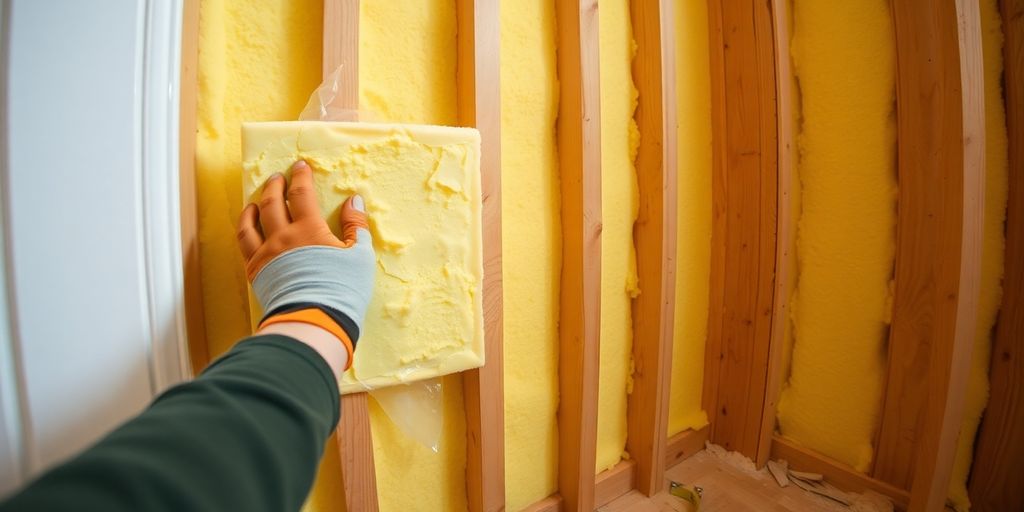
Okay, so, think about all the stuff floating around outside – dust, pollen, pollution. It’s not great, right? Now, imagine all that stuff seeping into your house through cracks and gaps. Not ideal. Polyurethane foam insulation panels can really help with this. They create a much tighter seal compared to traditional insulation, which means less of that outdoor gunk gets inside. It’s like putting a shield around your home. This is especially good if you’re sensitive to allergens or have respiratory issues. By minimizing these entry points, you’re essentially creating a cleaner, healthier indoor environment. It’s a pretty simple concept, but the impact can be huge. You might find yourself dusting less and breathing easier. Plus, less outdoor air sneaking in also means your HVAC system doesn’t have to work as hard, which is a nice bonus.
Reduction of Allergen Presence
Allergens are a real pain, especially during certain times of the year. Pollen, dust mites, pet dander – they can all make life miserable. One of the cool things about polyurethane foam insulation is that it can help reduce the amount of these allergens inside your home. Because it seals up cracks and crevices, it makes it harder for these allergens to find their way in. It’s not a perfect solution, of course; you’ll still need to clean and take other measures to control allergens. But it’s definitely a step in the right direction. Think of it as an extra layer of defense against those pesky particles. And let’s be honest, anything that helps you breathe easier is a win. Plus, with less air leakage, you’re also preventing allergens from circulating as much, which can make a big difference. You can also look into polyurethane foam products for other ways to improve your home.
Control of Moisture Transmission and Mold Proliferation
Moisture is the enemy when it comes to homes. Too much moisture can lead to mold growth, which is not only gross but also a health hazard. Polyurethane foam insulation can play a big role in controlling moisture transmission within your walls. The closed-cell type, in particular, acts as a vapor barrier, preventing moisture from seeping in and creating a breeding ground for mold. This is super important in areas with high humidity or where there’s a risk of water leaks. By keeping your walls dry, you’re not only preventing mold but also protecting the structural integrity of your home. It’s a preventative measure that can save you a lot of headaches (and money) down the road. Plus, a drier home is generally a more comfortable home. Nobody wants to live in a damp, musty environment. So, if you’re concerned about moisture, polyurethane foam insulation is definitely something to consider. You can also consider polyurethane on wood paneling for extra protection.
Acoustic Attenuation Provided by Polyurethane Foam Insulation Panels
Okay, so let’s talk about how polyurethane foam insulation panels can help chill out the noise in your house. It’s not just about keeping things warm or cool; these panels can seriously cut down on sound too. Think of it like this: you’re creating a quieter, more peaceful space just by installing insulation. Pretty neat, right?
Sound Wave Absorption Mechanisms
Basically, the foam works by soaking up sound waves. It’s like a sponge, but for noise. When sound hits the foam, the material’s structure causes the sound waves to lose energy. This happens because the sound waves are converted into tiny amounts of heat as they move through the foam. The more dense and complex the foam’s structure, the better it is at absorbing sound. Different types of polyurethane foam have different absorption capabilities. For example, open-cell foam is generally better at absorbing sound than closed-cell foam because of its more porous structure. But even closed-cell foam can help, especially when used in combination with other soundproofing materials.
Reduction of Noise Transmission
One of the biggest benefits of using polyurethane foam is that it helps stop sound from traveling through walls and ceilings. This is super useful if you live near a busy street, have noisy neighbors, or just want to create a quiet home theater. The foam acts as a barrier, preventing sound waves from easily passing through. Think of it like adding an extra layer of defense against unwanted noise. Plus, PU sandwich panels can be really effective at blocking sound because they’re dense and create a solid barrier. It’s not just about absorbing sound; it’s about stopping it in its tracks.
Enhancement of Interior Acoustic Environments
Beyond just blocking outside noise, polyurethane foam can also improve the sound quality inside your home. By reducing echoes and reverberations, it can make rooms sound clearer and more comfortable. This is especially helpful in rooms with hard surfaces like tile or hardwood floors, which tend to bounce sound around. Adding polyurethane foam can soften the sound and create a more balanced acoustic environment. So, whether you’re listening to music, watching a movie, or just trying to have a conversation, polyurethane insulation can make a big difference. And because they are easy to install, rigid polyurethane sheets are a great option for improving the acoustics of your home without a lot of hassle.
Energy Efficiency Benefits of Polyurethane Foam Insulation Panels
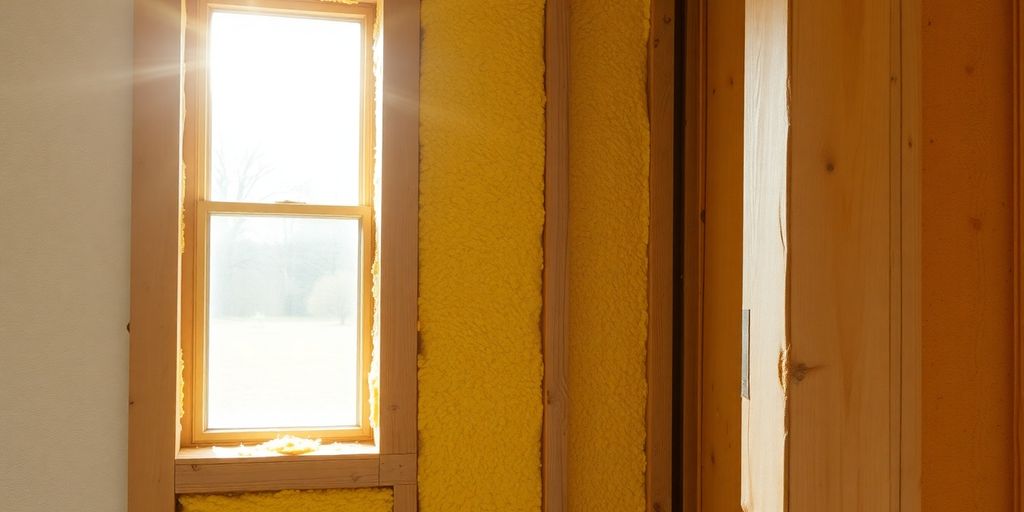
Polyurethane foam insulation panels really shine when it comes to energy efficiency. They’re designed to keep your home comfortable while also cutting down on energy waste. It’s a win-win situation, and here’s how they do it.
Reduction in Energy Consumption
Polyurethane foam insulation is great at reducing energy consumption. It minimizes heat transfer through walls, roofs, and floors. This means less energy is needed to heat your home in the winter and cool it in the summer. The closed-cell structure of some polyurethane foams creates an effective air barrier, preventing conditioned air from escaping and unconditioned air from entering. This results in a more stable indoor temperature, reducing the workload on your HVAC system. Plus, buildings insulated with polyurethane foam often need smaller heating and air conditioning units, which can save even more money.
Lowering of Utility Expenditures
Because polyurethane foam insulation reduces energy consumption, it naturally leads to lower utility bills. The high R-value of the material means it resists heat flow better than many traditional insulations. This resistance translates directly into savings on your monthly heating and cooling costs. By sealing air leaks and minimizing drafts, polyurethane foam helps maintain a consistent temperature throughout your home, preventing your HVAC system from working overtime. Over time, the savings on utility bills can more than offset the initial cost of installing polyurethane foam insulation. It’s like getting paid back for making your home more comfortable!
Contribution to Sustainable Building Practices
Using polyurethane foam insulation supports sustainable building practices. By reducing energy efficiency, these panels help lower the carbon footprint of your home. Less energy consumption means less demand on power plants, which in turn reduces greenhouse gas emissions. Polyurethane foam is also durable and long-lasting, reducing the need for frequent replacements and minimizing waste. Choosing polyurethane foam insulation is a step towards creating a more environmentally friendly and sustainable living space. It’s a choice that benefits both your wallet and the planet.
Versatility and Application of Polyurethane Foam Insulation Panels
Adaptability to Diverse Architectural Designs
Polyurethane foam insulation panels really shine when it comes to fitting into all sorts of building designs. Forget about being stuck with standard shapes and sizes. These panels can be cut and shaped to match pretty much any architectural plan you can think of. This means you can use them in modern, minimalist homes or more traditional, elaborate structures without a problem. They work just as well in new builds as they do in renovations, making them a go-to choice for architects and builders who want flexibility and performance. Plus, because they’re so adaptable, you can get creative with your designs and not have to worry about whether your insulation will fit properly. It’s a big win for both form and function.
Conformity to Irregular Geometries
One of the coolest things about polyurethane foam insulation is how well it deals with odd shapes and tricky spaces. Unlike rigid insulation that needs to be cut perfectly and still might leave gaps, spray foam insulation can fill in every nook and cranny. This is super useful in older homes where walls might not be perfectly straight or in modern designs that feature curves and angles. The foam expands to fit the space, creating a tight seal that stops air leaks and keeps moisture out. This means better energy efficiency and a more comfortable home, no matter how quirky the design. It’s like having custom-fit insulation that works perfectly, even when things aren’t perfectly square.
Maximization of Usable Interior Volume
Polyurethane foam insulation panels can actually help you get more out of your living space. Because they’re so effective at insulating, you don’t need as much material to get the same level of insulation compared to traditional options. This means walls can be thinner, which translates to more square footage inside your home. Think about it: even a few extra inches on each wall can add up to a significant amount of usable space, especially in smaller homes or apartments. Plus, PU sandwich panels are lightweight, so they don’t add a lot of extra weight to the structure of your building. This combination of space-saving and lightweight design makes them a smart choice for anyone looking to maximize their interior volume without sacrificing energy efficiency or structural integrity.
Types and Structural Characteristics of Polyurethane Foam Insulation Panels
Closed-Cell Polyurethane Foam Properties
Closed-cell polyurethane foam is pretty interesting stuff. Its defining characteristic is its structure, which is made up of tiny, closed cells. Think of it like a bunch of tiny bubbles all squished together. Because these cells are closed, they trap a gas inside, which is what gives closed-cell foam its high R-value. This type of foam is also pretty dense, which makes it strong and resistant to water. It’s often used in places where you need good insulation and protection from moisture, like roofs and below-grade walls. Plus, it adds some structural support, which is always a bonus. You can use PU Sandwich Panels for commercial buildings.
Open-Cell Polyurethane Foam Properties
Open-cell polyurethane foam is the less dense cousin of closed-cell foam. Instead of closed bubbles, it has cells that are open and connected. This makes it softer and more flexible. It also means it’s more breathable, allowing air and moisture to pass through. While it doesn’t insulate as well as closed-cell foam, it still provides good thermal resistance. One of the big advantages of open-cell foam is that it’s lighter and less expensive. It’s often used in interior walls and ceilings where moisture isn’t a big concern. Plus, it’s great at absorbing sound, which can help reduce noise in your home. You can find a comprehensive overview of PU Sandwich Panels.
Structural Integrity Enhancement
Polyurethane foam insulation panels can really boost the structural integrity of a building. When applied, the foam adheres tightly to the surface, creating a strong bond that can reinforce walls and roofs. This is especially true for closed-cell foam, which is rigid and dense. By filling gaps and cracks, the foam also helps to prevent air leaks and moisture infiltration, which can weaken the structure over time. In areas prone to high winds or seismic activity, polyurethane foam can provide extra support and stability. It’s like giving your house a hug that makes it stronger and more resilient. Here’s a quick rundown:
- Adds rigidity to walls and roofs
- Seals gaps to prevent moisture damage
- Provides extra support in high-risk areas
Conclusion
So, when you look at everything, polyurethane foam insulation really stands out. It’s good for keeping your home warm in winter and cool in summer, which means you save money on energy bills. Plus, it helps keep out dust and noise, making your home a more comfortable place to be. It’s pretty clear that using this kind of insulation is a smart move for any house.


