
Okay, so how do these welding machines actually work? Well, at its core, it’s all about using heat and pressure to fuse metal wires together. The most common method involves electrical resistance. Basically, a strong electrical current is passed through the wires at the point where they intersect. This creates intense heat, melting the metal and forming a strong weld. Think of it like a super-powered spot welder, but on a much larger and automated scale. The timing and intensity of the current are carefully controlled to ensure a consistent and reliable weld every time. Different welding techniques can be employed, each with its own set of advantages depending on the type of wire and the desired strength of the mesh.
Role of Wire Feeding Systems
The wire feeding system is the unsung hero of the whole operation. It’s responsible for precisely delivering the wires to the welding point. Imagine trying to build a fence if you had to manually place each wire – it would take forever! These systems use rollers and guides to feed the wires from spools, ensuring they’re perfectly aligned and spaced. The speed and accuracy of the wire feed are critical for maintaining consistent mesh size and weld quality. Some systems even have sensors that detect wire breaks or jams, automatically stopping the machine to prevent defects. It’s all about keeping the process flowing smoothly and efficiently. You can find a list of top manufacturers of these machines online.
Importance of Control Systems
The control system is the brain of the operation. It orchestrates all the different components, from the wire feeding to the welding process itself. These systems use computers and sensors to monitor and adjust parameters like welding current, wire feed speed, and mesh spacing. This allows for precise control over the entire process, ensuring consistent quality and minimizing waste. Modern control systems can even be programmed to create different mesh patterns and sizes, making the machine incredibly versatile. Plus, they often include safety features that automatically shut down the machine in case of a problem. It’s like having a highly skilled operator constantly monitoring and adjusting the machine, but without the need for constant human intervention.
Comparative Analysis of Welding Techniques
Traditional Manual Welding vs. Automation
Okay, so let’s talk about the difference between doing things the old-fashioned way and using machines. With traditional manual welding, you’ve got a person doing all the work by hand. They’re using a welding torch, carefully joining the wires together. It takes skill, and it can be pretty slow. On the other hand, with automation, you’ve got a mesh welding machine doing the work. These machines are programmed to make welds super fast and consistently. Think of it like this: one is like baking cookies from scratch, and the other is like using a cookie-making machine. Both get you cookies, but one is way faster and more consistent.
Efficiency Metrics in Welding
When we talk about efficiency, we’re looking at things like speed, consistency, and how much material gets wasted. Manual welding can be slow, and the quality of the welds can vary depending on the welder’s skill. Machines, though, are designed to be super efficient. They can crank out welds much faster, and they’re programmed to make each weld almost exactly the same. Plus, they tend to waste less material because they’re so precise. So, if you’re measuring efficiency, machines usually come out on top. It’s all about getting more done with less time and less waste.
Cost Implications of Automated Systems
Now, let’s get down to money. At first, buying a welded wire mesh machine might seem like a big expense. But trust me, it pays off in the long run. First off, you’re cutting down on labor costs big time. You don’t need as many welders on the job, and the ones you do have can focus on other stuff. Plus, these machines are designed to be super efficient. They use less energy and waste less material than traditional welding methods. That means lower utility bills and less scrap to deal with. And here’s another thing: consistency. With a machine, every weld is pretty much the same. That means fewer mistakes, fewer re-dos, and less wasted material. It all adds up to some serious savings over time. So yeah, the initial investment might sting a little, but your wallet will thank you later. Here’s a quick comparison:
| Feature | Traditional Welding | Mesh Welding Machine |
|---|---|---|
| Speed | Slow | Fast |
| Consistency | Variable | High |
| Labor Costs | High | Low |
| Material Waste | More | Less |
| Initial Investment | Low | High |
Technological Advancements in Welding Machinery
Integration of Robotics in Welding
Okay, so, robots are now doing welding. Seriously! Instead of people doing it all day, robots handle the welding now. This means things get done faster, and there are fewer mistakes. Automated systems can just keep going and going, which means more stuff gets made. Plus, they can weld in spots that are hard or dangerous for people to get to, which keeps everyone safer. Imagine robots precisely welding, following the plan perfectly without stopping. It’s a big step up from doing it by hand. This also allows for better geomembrane welding in complex projects.
Development of Smart Control Systems
Modern mesh welding machines have these super smart control systems. They let you change the welding settings, like how much power to use and how fast to go. This makes the welds better and more consistent. These systems often watch what’s happening in real-time, so if something goes wrong, it gets fixed right away. Imagine a screen showing exactly what’s happening while welding, with alerts if something messes up. Plus, these systems can save the welding data to help improve things later. It’s all about having more control and getting better results. This level of control also helps in reducing labor costs by optimizing the welding process.
Innovations in Material Handling
These machines aren’t just simple welders; they’re complex systems with a bunch of different parts working together. You’ve got the wire feeding system, which pulls the wires from spools and positions them correctly. Then there’s the welding head, which does the actual welding – usually using resistance welding, where an electric current is passed through the wires to fuse them together. Control systems are super important too; they manage the timing, current, and pressure to make sure each weld is perfect. And of course, there’s the mesh collection system, which gathers the finished mesh and stacks it neatly. It’s a whole process, and each component has to work just right. The technology behind these machines is always improving, with newer models using more advanced sensors and controls to boost efficiency and quality. Automated mesh welding enhances productivity in manufacturing.
Operational Benefits of Automated Welding Solutions
Enhancing Production Speed
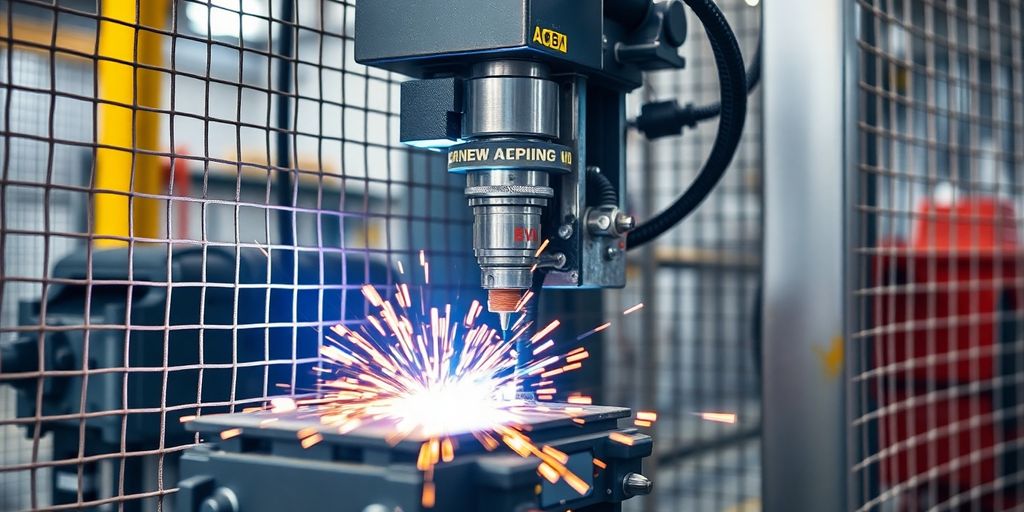
Okay, so picture this: you’re trying to build something big, and you need a ton of welded wire mesh. Doing it the old way, by hand, takes forever. Seriously, it’s like watching paint dry. But then, BAM! You bring in a construction mesh welding machine. Suddenly, things are moving at warp speed. These machines can crank out welded mesh way faster than any human can, which means your project gets done quicker.
Think about it: less time spent welding means less time spent on the whole project. That’s less money on labor, less money on equipment rentals, and less headaches overall. Plus, you can take on more projects because you’re not stuck waiting for the welding to finish. It’s a total game-changer.
Reducing Labor Costs
Let’s talk money. At first, buying a mesh welding machine might seem like a big expense. But trust me, it pays off in the long run. First off, you’re cutting down on labor costs big time. You don’t need as many welders on the job, and the ones you do have can focus on other stuff. Plus, these machines are designed to be super efficient. They use less energy and waste less material than traditional welding methods. That means lower utility bills and less scrap to deal with.
Minimizing Material Waste
And here’s another thing: consistency. With a machine, every weld is pretty much the same. That means fewer mistakes, fewer re-dos, and less wasted material. It all adds up to some serious savings over time. So yeah, the initial investment might sting a little, but your wallet will thank you later.
Safety Considerations in Automated Welding Operations
Incorporation of Safety Features
Automated welding operations come with their own set of safety concerns, and it’s super important to have features in place to keep everyone safe. Think about it: these machines are powerful and can be dangerous if things go wrong. One key thing is having emergency stop buttons that are easy to reach and actually work. You also need things like light curtains and safety gates that automatically shut down the machine if someone gets too close. Regular inspections are a must to catch any problems early, like worn-out wires or broken guards. It’s also a good idea to have alarms that sound if something isn’t right, giving people a heads-up to take action. These safety features are not just nice to have; they’re essential for preventing accidents and keeping the workplace safe. For example, Electric Welded Mesh Machine are designed with multiple safety interlocks to prevent accidents.
Training Requirements for Operators
If you’re going to use automated welding machines, you need to make sure everyone knows what they’re doing. That means proper training for all operators. This isn’t just about knowing how to turn the machine on and off; it’s about understanding all the ins and outs of the equipment, including how to troubleshoot problems and what to do in an emergency. Training should cover things like how to properly set up the machine, how to recognize potential hazards, and how to use safety equipment. It’s also important to keep training up-to-date, so operators are always aware of the latest safety procedures and best practices. Regular refresher courses can help reinforce important concepts and ensure that everyone is on the same page. Good training not only keeps people safe but also helps improve efficiency and reduce the risk of mistakes. Proper training is key to understanding wire feed welding techniques and safety.
Risk Management Strategies
When it comes to automated welding, you need a plan to deal with potential problems. That’s where risk management comes in. Start by figuring out what could go wrong – things like equipment failures, accidents, or even software glitches. Then, figure out how likely each of those things is to happen and how bad it would be if they did. Once you know the risks, you can come up with ways to prevent them or minimize their impact. This might mean things like regular maintenance, better training, or having backup systems in place. It’s also a good idea to have an emergency plan, so everyone knows what to do if something does go wrong. Regularly review your risk management plan and update it as needed, because things change, and you want to make sure you’re always prepared. Here’s a simple table to illustrate a basic risk assessment:
| Risk | Likelihood | Impact | Mitigation Strategy |
|---|---|---|---|
| Equipment Failure | Medium | High | Regular maintenance, backup systems |
| Operator Error | Low | Medium | Comprehensive training, clear procedures |
| Software Glitch | Low | Medium | Regular software updates, system monitoring |
| Power Outage | Low | High | Backup power supply, emergency shutdown procedures |
| Fire Hazard | Very Low | High | Fire suppression systems, regular inspections |
Having a solid risk management strategy is key to keeping your automated welding operations safe and efficient.
Applications of Construction Mesh Welding Machines
Use in Reinforcement of Concrete Structures
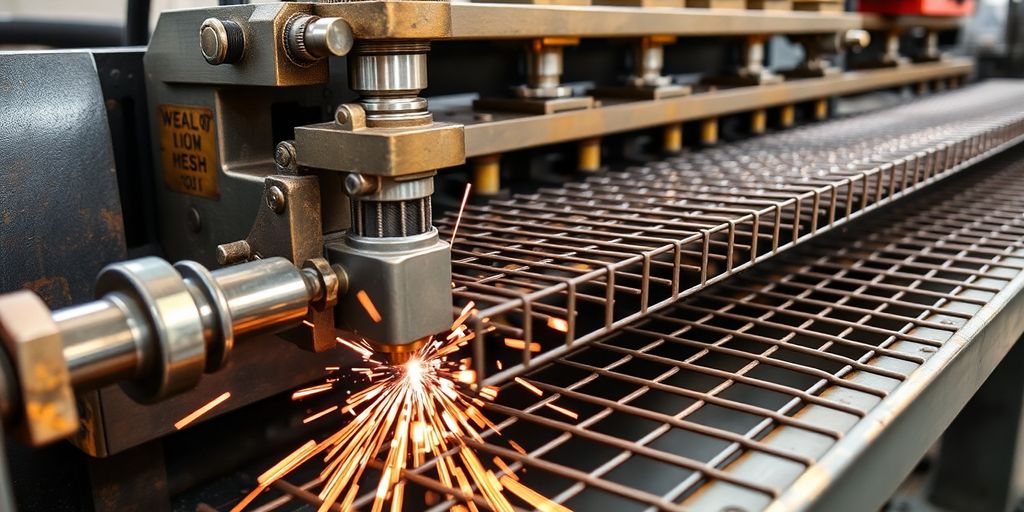
Construction mesh welding machines are super important for making reinforced concrete structures. Think about it: these machines quickly produce welded wire mesh, which gives concrete its strength. Instead of spending ages tying individual steel bars together, you just drop in the mesh. It’s way quicker and makes sure everything is spaced out evenly, which is key for strong buildings, bridges, and all sorts of stuff. Plus, because the machines are so precise, you get fewer mistakes and less waste. It’s a win-win for efficiency and quality in construction.
Fabrication of Custom Mesh Panels
Prefabrication is becoming a huge deal in construction, and construction mesh welding machines fit right in. Instead of building everything from scratch on-site, you make parts of the structure in a factory and then just assemble them. Mesh welding machines are perfect for this because they can make custom mesh panels super quickly. These panels can be used for walls, floors, and other parts of the building. This speeds up construction a ton, reduces waste, and makes sure everything is built to exact specifications. Plus, it’s safer because a lot of the work is done in a controlled factory environment. So, whether it’s making modular homes or huge commercial buildings, these machines are helping to revolutionize how we build things. It’s all about efficiency and precision.
Role in Modular Construction
When you’re talking about big infrastructure projects, like highways, tunnels, and dams, construction mesh welding machines are absolute game-changers. These projects need tons of reinforced concrete, and that means a whole lot of mesh. Using these machines, you can crank out the mesh on-site or nearby, cutting down on transportation costs and delays. The mesh helps the concrete handle all the stress and strain it’s going to face, making sure the infrastructure lasts for ages. It also helps with things like erosion control and soil stabilization, which are big deals in these kinds of projects. Basically, without these machines, building massive infrastructure would be way harder and more expensive. It’s all about getting the job done right, on time, and within budget.
Future Trends in Mesh Welding Technology
Emerging Technologies in Automation
Okay, so picture this: mesh welding, but like, way more advanced. We’re talking about robots that can practically think for themselves. The future of mesh welding is heavily reliant on sophisticated automation technologies. Think about it – machines that can adjust welding parameters on the fly, based on real-time feedback. No more constant tweaking by human operators. We’re moving towards systems that can self-diagnose problems and even schedule their own maintenance. It’s like having a team of expert welders packed into one super-smart machine. Plus, with the rise of AI, these machines will only get smarter over time, learning from every weld they make. It’s kind of mind-blowing when you think about it. This will also help with labor costs by optimizing the welding process.
Sustainability in Welding Practices
Let’s be real, construction isn’t exactly known for being eco-friendly. But that’s changing, and welding is part of the shift. The big thing is reducing waste and energy consumption. Imagine welding machines powered by solar energy, or using materials that are easier to recycle. We’re also seeing a push for welding techniques that produce fewer emissions. It’s all about minimizing the impact on the environment. Plus, customers are starting to demand more sustainable practices, so companies that embrace these changes will have a major advantage. It’s not just about being green; it’s about being smart for the future. The demand for infrastructure projects and advanced welding machines will keep going up, making it a pretty exciting time for the industry.
Market Predictions for Welding Machinery
So, what’s the deal with the welding market? Well, experts are saying it’s gonna keep growing. There’s a huge demand for better, faster, and more efficient welding solutions. This is driven by the need for stronger infrastructure, especially in developing countries. Plus, as technology advances, welding machines are becoming more affordable and accessible. This means smaller companies can now invest in automation, leveling the playing field. The market is also being influenced by new regulations and standards, pushing companies to adopt safer and more sustainable practices. Overall, it’s a pretty optimistic outlook for the welding industry. Automated mesh welding enhances productivity in manufacturing.
Final Thoughts on the Automatic Mesh Welding Machine
In conclusion, the Automatic Mesh Welding Machine represents a significant advancement in the field of construction and manufacturing. By automating the welding process, this machine not only enhances productivity but also ensures a level of precision that is difficult to achieve through manual methods. The integration of advanced technology allows for faster production times and reduced labor costs, making it a valuable asset for businesses involved in wire mesh fabrication. Furthermore, its robust design and user-friendly operation make it accessible even to those with limited experience in welding. As industries continue to seek ways to improve efficiency and reduce costs, the Automatic Mesh Welding Machine stands out as a practical solution that meets these demands while maintaining high standards of quality.


