
Ever thought about how we can build more eco-friendly and efficient buildings? PU sandwich panels might be the answer. These panels are gaining traction in the construction world because they blend insulation, strength, and design flexibility. They’re not just about keeping buildings warm or cool; they also help cut down on energy use and can even be recycled. Let’s see how these panels fit into sustainable building solutions.
Key Takeaways
- PU sandwich panels offer great insulation, helping to reduce energy use in buildings.
- They are versatile and can be used in various types of construction, from homes to factories.
- The panels are durable and require low maintenance, making them a long-lasting choice.
- Quick and easy to install, these panels help save time and labor costs on construction sites.
- Innovations in panel technology are making them even more efficient and eco-friendly.
Understanding PU Sandwich Panels
Core Composition and Structure
At the heart of every PU sandwich panel is a core made of polyurethane, a material known for its excellent insulation properties. This core is sandwiched between two layers, often of steel or aluminum, forming a sturdy yet lightweight composite. This structure not only provides strength but also contributes to the panel’s insulating capabilities. The outer layers protect the core and add to the panel’s durability, making them suitable for various environmental conditions.
Thermal and Acoustic Insulation
PU sandwich panels excel at thermal insulation, significantly reducing the need for additional heating or cooling. The polyurethane core acts as a barrier, maintaining indoor temperatures and enhancing energy efficiency. This makes them a preferred choice for builders focusing on sustainability. Additionally, these panels offer soundproofing benefits, making them ideal for environments where noise reduction is crucial, such as offices or industrial settings.
Versatility in Design
These panels are incredibly versatile, allowing architects and builders to explore a wide range of design possibilities. They can be tailored to fit unique architectural needs, whether it’s for a sleek modern look or a more traditional facade. The flexibility in design also extends to functional aspects, as they can be used for walls, roofs, or floors, adapting to various construction requirements. This adaptability makes them a popular choice in both residential and commercial projects.
Environmental Impact of PU Sandwich Panels
Energy Efficiency and Carbon Footprint
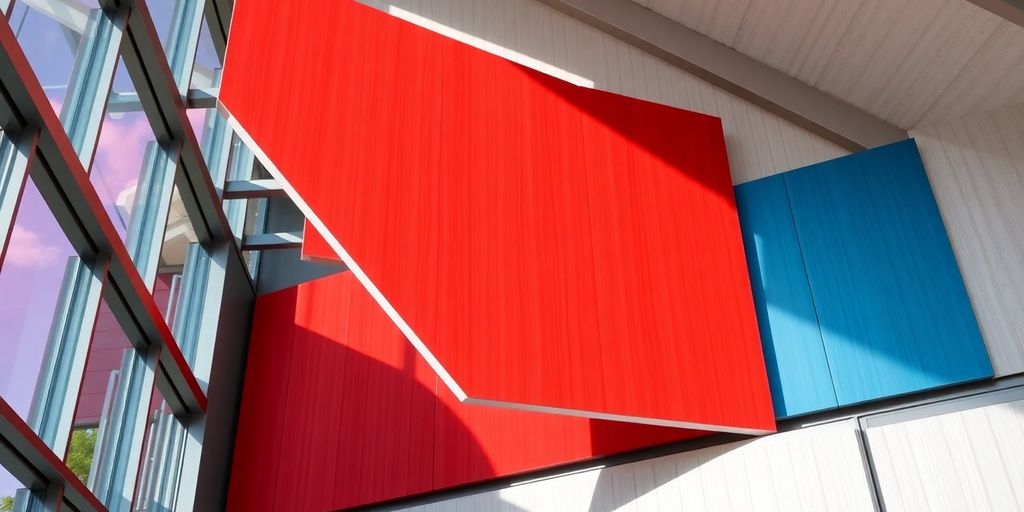
PU sandwich panels are a game-changer in reducing energy consumption in buildings. Thanks to their excellent thermal insulation, they keep the indoor temperature stable, which means less reliance on heating and cooling systems. This stability leads to lower energy bills and a smaller carbon footprint. By choosing PU sandwich panels, builders can significantly cut down on the energy required to maintain comfortable indoor climates. This is not only good for the environment but also for the wallet.
Recyclability and Waste Reduction
One of the standout features of PU sandwich panels is their recyclability. Materials like steel and aluminum used in these panels can be recycled, which helps in minimizing waste. At the end of their life cycle, these panels can be repurposed, contributing to a circular economy in construction. This means less waste ends up in landfills, making them a smart choice for environmentally conscious builders.
Sustainable Production Processes
The production of PU sandwich panels is relatively energy-efficient. Advanced technology is used to minimize waste and energy consumption during manufacturing. Plus, the lightweight nature of these panels reduces emissions during transport. All these factors contribute to a lower environmental footprint. For those interested in sustainable building practices, PU sandwich panels are a solid choice.
Opting for PU sandwich panels not only enhances building sustainability but also aligns with eco-friendly construction practices. Their role in reducing energy usage and promoting recyclability makes them an attractive option for future-focused builders.
Applications of PU Sandwich Panels in Construction
Residential Buildings
PU sandwich panels are becoming a popular choice for residential projects. They help maintain consistent indoor temperatures, which means homeowners can save on energy bills by reducing the need for heating and cooling. Their soundproofing abilities also make homes quieter and more comfortable. Plus, their durability ensures a long-lasting structure, reducing the need for frequent repairs.
Commercial and Industrial Facilities
In commercial settings, like office buildings and retail spaces, these panels are a smart choice for reducing energy costs. Their quick installation process is perfect for projects with tight timelines. In industrial facilities, such as factories and cold storage warehouses, PU sandwich panels are invaluable. They help maintain the right temperature to store perishable goods and reduce noise pollution in busy industrial areas.
Recreational and Hospitality Structures
Hotels, resorts, and recreational centers benefit greatly from the thermal and acoustic properties of PU sandwich panels. By keeping indoor temperatures comfortable and minimizing external noise, these panels enhance the guest experience. They are also a cost-effective solution for building structures that require both comfort and durability.
Advantages of Using PU Sandwich Panels
Cost-Effectiveness and Long-Term Savings
When it comes to construction, saving money is always a priority. PU sandwich panels offer a fantastic way to cut costs in the long run. While they might seem pricey upfront compared to traditional materials, they pay off over time. These panels are great at keeping energy bills low because they insulate so well. You won’t need to crank up the heat in winter or blast the AC in summer. Plus, their lightweight nature means they’re cheaper to transport and install, saving on labor and time.
Durability and Low Maintenance
Built to last, PU sandwich panels are tough cookies. They resist corrosion and can handle all sorts of weather, from hot and humid to cold and dry. This durability means fewer repairs and replacements, which also saves money and hassle. The panels’ outer layers, often made of metal or composite materials, protect the polyurethane core from environmental damage. So, once they’re up, you can pretty much forget about them.
Quick and Easy Installation
Time is money in construction, and PU sandwich panels save both. They’re prefabricated, which means they arrive ready to go. This speeds up the building process significantly. Their lightweight nature makes them easy to handle, reducing the need for heavy machinery and large crews. Builders appreciate this efficiency, as it minimizes disruptions on-site and helps keep projects on schedule. Whether you’re working on a residential home or a commercial building, these panels make the job quicker and smoother.
Innovations in PU Sandwich Panel Technology
Advanced Insulation Materials
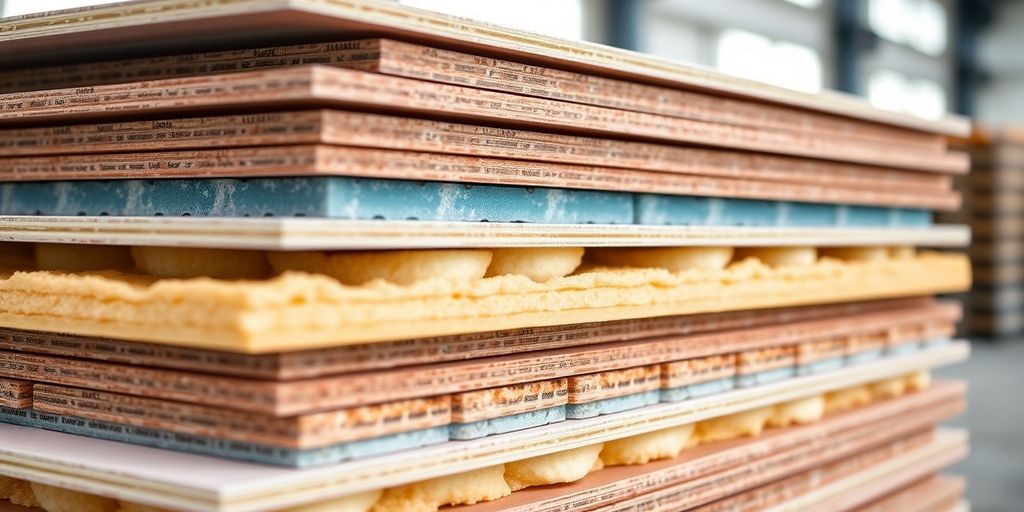
PU sandwich panels are getting a facelift with new insulation materials. These materials promise better performance, making buildings more energy-efficient. Polyurethane foam, the heart of these panels, is now being enhanced with additives to boost its insulating power. This means less energy is wasted, keeping homes and offices cozy without breaking the bank.
Integration with Renewable Energy Systems
In today’s world, going green is more important than ever. PU sandwich panels are stepping up by integrating with renewable energy systems. Picture this: panels that not only insulate your home but also work with solar panels to harness energy. This combination is a game-changer, reducing dependency on traditional power sources and cutting down on utility bills.
Smart Building Applications
The future is smart, and buildings are no exception. PU sandwich panels are now part of the smart building revolution. These panels can be fitted with sensors and smart tech that monitor and adjust indoor climates automatically. Imagine a home that knows when to cool down or warm up without you lifting a finger. It’s convenience and efficiency rolled into one.
As technology advances, PU sandwich panels are not just about insulation anymore. They’re becoming an integral part of sustainable and smart building solutions, paving the way for a greener future.
Challenges and Considerations
Addressing Environmental Concerns
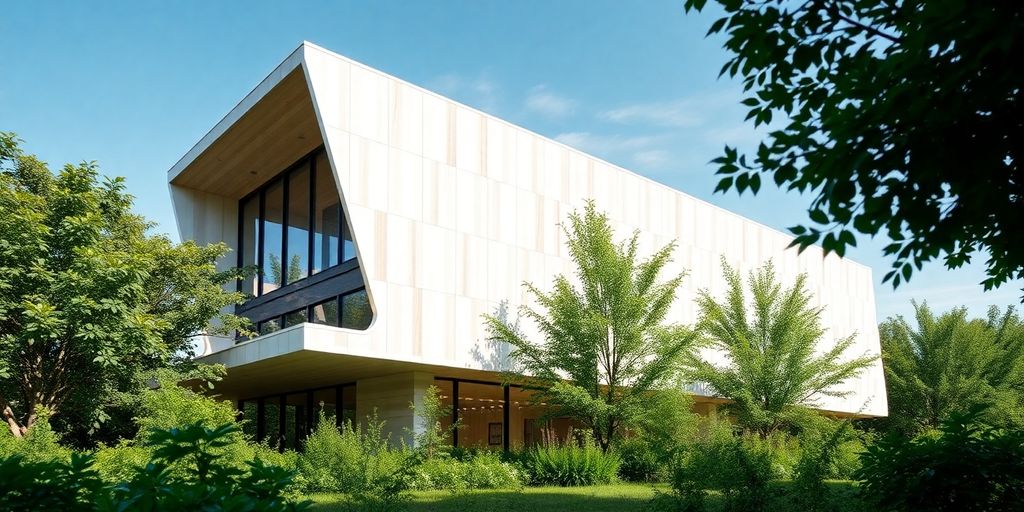
When it comes to PU sandwich panels, one of the big hurdles is their environmental impact. While they are great for insulation and energy efficiency, they are made from polyurethane, which is not the most eco-friendly material. It’s a balancing act between the benefits and the environmental footprint. Manufacturers are working on creating more sustainable production methods, but there’s still a long way to go.
Ensuring Quality and Compliance
Quality control is crucial in the production of PU sandwich panels. There are standards and regulations that must be met to ensure safety and performance. It’s not just about making a product that works; it’s about making sure it meets all the necessary guidelines. This can be a challenge, especially as standards evolve and become stricter.
Overcoming Design Limitations
Design flexibility is another consideration. While PU sandwich panels are versatile, they do have some limitations. Architects and builders need to work within these constraints, which can sometimes limit creativity and design options. It’s important to innovate within these boundaries to maximize the benefits of using these panels.
Future of PU Sandwich Panels in Sustainable Building
Trends in Eco-Friendly Construction
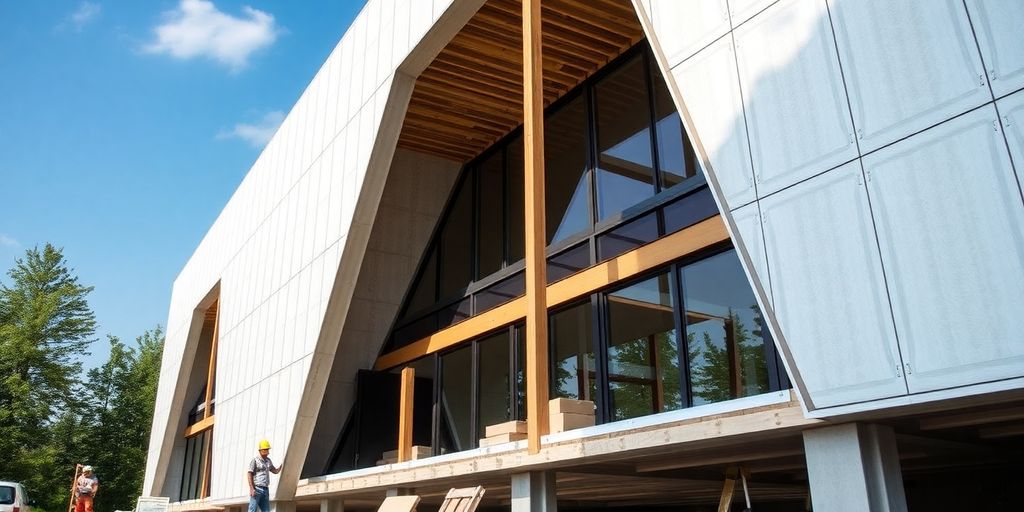
The construction industry is shifting towards greener practices, and PU sandwich panels are at the forefront. These panels are becoming a favorite due to their energy efficiency and minimal environmental impact. Builders are increasingly opting for these panels to meet new sustainability standards. The trend is clear: materials that contribute to lower energy consumption and waste are in high demand. PU sandwich panels, with their excellent insulation properties, fit this bill perfectly.
Potential for Market Growth
The market for PU sandwich panels is set to expand significantly. As more builders and architects recognize their benefits, demand is climbing. This growth is fueled by the panels’ versatility and efficiency in various applications, from residential to industrial projects. The ability to customize these panels for different architectural needs only adds to their appeal, making them a versatile choice for a wide range of building types.
Role in Achieving Net-Zero Buildings
Net-zero buildings are the future, and PU sandwich panels are playing a key role in this movement. By reducing energy needs through superior insulation, these panels help buildings achieve net-zero energy consumption. This means the energy used by the building is equal to the renewable energy created on-site. As more countries push for net-zero targets, the role of PU sandwich panels in achieving these goals becomes increasingly important.
The future of construction is green, and PU sandwich panels are leading the charge. Their ability to reduce energy consumption and support sustainable practices makes them an essential component in the quest for eco-friendly buildings.
Wrapping It Up: PU Sandwich Panels in Sustainable Building
So, here’s the deal with PU sandwich panels—they’re kind of a big deal in the world of construction. These panels are changing the game by being super energy-efficient and versatile. They help keep buildings warm in the winter and cool in the summer, which means less need for heating and cooling systems. That’s a win for the environment and your wallet. Plus, they’re pretty tough and last a long time, so you won’t have to worry about replacing them anytime soon. As we keep looking for ways to build smarter and greener, PU sandwich panels are definitely going to be a part of the solution. They’re not just a trend; they’re here to stay.
Frequently Asked Questions
Are PU sandwich panels good for the environment?
Yes, PU sandwich panels help save energy, which lowers the environmental impact of buildings.
Can PU sandwich panels be tailored for special designs?
Yes, PU sandwich panels can be customized to fit different design needs, making them very flexible.
How do PU sandwich panels help save energy?
They have great insulation, which means buildings need less heating or cooling, saving energy.
How long do buildings with PU sandwich panels last?
With the right care, buildings made with PU sandwich panels can last a long time.
What are PU sandwich panels and how are they used?
PU sandwich panels are made with a foam core between metal layers, used for insulation and strength in buildings.
Why are PU sandwich panels a smart choice for building?
They offer good insulation, are durable, and are cost-effective, making them a smart building choice.


