
Okay, so what are these construction mesh welding machines anyway? Basically, they’re specialized pieces of equipment designed to automate the process of welding wire mesh, which is used a lot in construction for reinforcing concrete. The main goal is to create strong, consistent welds at each intersection of the wire strands. Think of it like a super-efficient, automated way to build those metal grids you see in roads and buildings. These machines take individual wires, arrange them in a grid pattern, and then weld them together at each point where they cross. The result is a mesh that’s much stronger and more uniform than what you’d get with manual welding. It’s all about speed, precision, and making sure every weld is up to par. You can use a geomembrane welding machine for similar tasks.
Key Components and Technology
These machines aren’t just simple welders; they’re complex systems with a bunch of different parts working together. You’ve got the wire feeding system, which pulls the wires from spools and positions them correctly. Then there’s the welding head, which does the actual welding – usually using resistance welding, where an electric current is passed through the wires to fuse them together. Control systems are super important too; they manage the timing, current, and pressure to make sure each weld is perfect. And of course, there’s the mesh collection system, which gathers the finished mesh and stacks it neatly. It’s a whole process, and each component has to work just right. The technology behind these machines is always improving, with newer models using more advanced sensors and controls to boost efficiency and quality. Automated mesh welding enhances productivity in manufacturing.
Comparison with Traditional Welding Methods
So, why use a fancy machine instead of just having someone weld the mesh by hand? Well, there are a few big differences. First off, speed. A machine can crank out mesh way faster than any human welder. Second, consistency. Machines are programmed to make the same weld every time, so you get a much more uniform product. Third, cost. While the initial investment in a machine is higher, the long-term costs are usually lower because you need less labor and there’s less waste. Traditional welding is still useful for small jobs or custom designs, but for large-scale production, machines are the way to go. Here’s a quick comparison:
| Feature | Traditional Welding | Mesh Welding Machine |
|---|---|---|
| Speed | Slow | Fast |
| Consistency | Variable | High |
| Labor Costs | High | Low |
| Material Waste | More | Less |
| Initial Investment | Low | High |
Advantages of Using Construction Mesh Welding Machines
Increased Efficiency and Speed
Okay, so picture this: you’re trying to build something big, and you need a ton of welded wire mesh. Doing it the old way, by hand, takes forever. Seriously, it’s like watching paint dry. But then, BAM! You bring in a construction mesh welding machine. Suddenly, things are moving at warp speed. These machines can crank out welded mesh way faster than any human can, which means your project gets done quicker.
Think about it: less time spent welding means less time spent on the whole project. That’s less money on labor, less money on equipment rentals, and less headaches overall. Plus, you can take on more projects because you’re not stuck waiting for the welding to finish. It’s a total game-changer.
Cost-Effectiveness in Operations
Let’s talk money. At first, buying a mesh welding machine might seem like a big expense. But trust me, it pays off in the long run. First off, you’re cutting down on labor costs big time. You don’t need as many welders on the job, and the ones you do have can focus on other stuff. Plus, these machines are designed to be super efficient. They use less energy and waste less material than traditional welding methods. That means lower utility bills and less scrap to deal with.
And here’s another thing: consistency. With a machine, every weld is pretty much the same. That means fewer mistakes, fewer re-dos, and less wasted material. It all adds up to some serious savings over time. So yeah, the initial investment might sting a little, but your wallet will thank you later.
Enhanced Weld Quality and Durability
Alright, so speed and cost are great, but what about the actual welds? Well, that’s where these machines really shine. They’re designed to create welds that are super strong and consistent. We’re talking about welds that can withstand a ton of stress and hold up for years, even in tough conditions. This is because the geomembrane welding process is very precise.
Think about it: if you’re building a bridge or a skyscraper, you need welds that you can rely on. You can’t afford to have weak spots that could cause problems down the road. With a construction mesh welding machine, you can be confident that your welds are up to the task. Plus, consistent weld quality means fewer inspections and less chance of something going wrong later on. It’s all about peace of mind, really.
Applications of Construction Mesh Welding Machines
Use in Reinforced Concrete Structures
Construction mesh welding machines are super important when it comes to making reinforced concrete structures. Think about it: these machines churn out welded wire mesh super fast, and that mesh is what gives concrete its strength. Instead of spending ages tying individual steel bars together, you just drop in the mesh. It’s way quicker and makes sure everything is spaced out evenly, which is key for strong buildings, bridges, and all sorts of stuff. Plus, because the machines are so precise, you get fewer mistakes and less waste. It’s a win-win for efficiency and quality in construction.
Role in Infrastructure Projects
When you’re talking about big infrastructure projects, like highways, tunnels, and dams, construction mesh welding machines are absolute game-changers. These projects need tons of reinforced concrete, and that means a whole lot of mesh. Using these machines, you can crank out the mesh on-site or nearby, cutting down on transportation costs and delays. The mesh helps the concrete handle all the stress and strain it’s going to face, making sure the infrastructure lasts for ages. It also helps with things like erosion control and soil stabilization, which are big deals in these kinds of projects. Basically, without these machines, building massive infrastructure would be way harder and more expensive. It’s all about getting the job done right, on time, and within budget. Proper team training is essential for these projects.
Integration in Prefabrication Processes
Prefabrication is becoming a huge deal in construction, and construction mesh welding machines fit right in. Instead of building everything from scratch on-site, you make parts of the structure in a factory and then just assemble them. Mesh welding machines are perfect for this because they can make custom mesh panels super quickly. These panels can be used for walls, floors, and other parts of the building. This speeds up construction a ton, reduces waste, and makes sure everything is built to exact specifications. Plus, it’s safer because a lot of the work is done in a controlled factory environment. So, whether it’s making modular homes or huge commercial buildings, these machines are helping to revolutionize how we build things. It’s all about efficiency and precision.
Technological Innovations in Construction Mesh Welding
Automation and Robotics in Welding
Automation and robotics are changing construction mesh welding. Instead of manual labor, robots handle the welding. This means faster production and fewer mistakes. Automated systems can work continuously, leading to higher output. Plus, they can perform welds in difficult or dangerous spots, keeping workers safe. Think about it: robots precisely placing each weld, following programmed patterns without breaks. It’s a big step up from someone doing it by hand all day. This also allows for better geomembrane welding in complex projects.
Advanced Control Systems
Advanced control systems are key to modern mesh welding machines. These systems let operators fine-tune welding parameters like voltage, current, and speed. This precision leads to better weld quality and consistency. The systems often include real-time monitoring, so problems can be spotted and fixed right away. Imagine a screen showing exactly what’s happening during the weld, with alerts popping up if something goes wrong. Plus, these systems can store welding data for analysis and improvement. It’s all about having more control and getting better results. This level of control also helps in reducing labor costs by optimizing the welding process.
Impact of Industry 4.0 on Welding Technology
Industry 4.0 is having a big impact on construction mesh welding. This means using things like the Internet of Things (IoT), cloud computing, and big data to make welding smarter and more efficient. IoT sensors can track machine performance and predict when maintenance is needed. Cloud computing lets companies store and share welding data easily. Big data analytics can find patterns and improve welding processes. It’s all about connecting machines, data, and people to make welding operations better. For example, a machine could automatically adjust its settings based on data from other machines and weather conditions. It’s a whole new level of efficiency and optimization.
Maintenance and Best Practices for Construction Mesh Welding Machines
Routine Maintenance Procedures
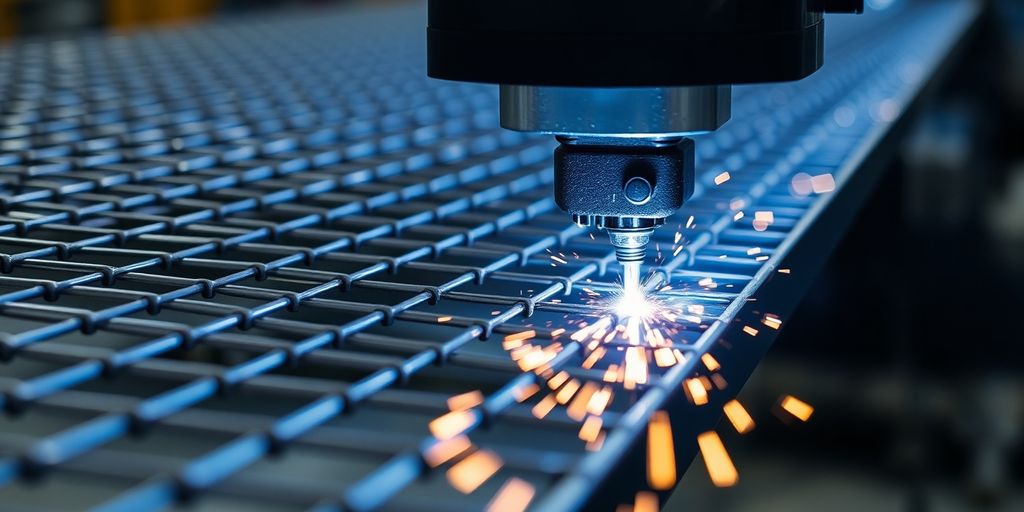
Keeping your construction mesh welding machines in tip-top shape is super important for smooth operations and to avoid unexpected breakdowns. Think of it like taking care of your car—regular check-ups can save you a lot of trouble down the road. One of the first things you should do is set up a schedule for routine maintenance. This should include daily, weekly, and monthly tasks. Daily tasks might involve cleaning the welding area and checking for any loose connections. Weekly tasks could include lubricating moving parts and inspecting the welding electrodes for wear and tear. Monthly tasks might involve a more thorough inspection of the machine’s components, such as the transformer, control panel, and cooling system.
Another key aspect is keeping detailed records of all maintenance activities. This helps you track the performance of the machine over time and identify any recurring issues. For example, if you notice that a particular component is failing more frequently than expected, it might be a sign of a larger problem that needs to be addressed. Also, make sure to use the right lubricants and cleaning agents recommended by the manufacturer. Using the wrong products can damage the machine and void the warranty. Finally, don’t forget to calibrate the machine regularly to ensure accurate and consistent welding performance. This is especially important for high-precision applications where even small errors can have significant consequences.
Troubleshooting Common Issues
Even with the best maintenance practices, problems can still pop up. Knowing how to troubleshoot common issues can save you time and money. One common problem is inconsistent weld quality. This could be due to several factors, such as worn electrodes, incorrect welding parameters, or contamination on the welding surface. Start by checking the electrodes and replacing them if they are worn or damaged. Then, verify that the welding parameters, such as voltage, current, and welding speed, are set correctly. If the problem persists, clean the welding surface to remove any contaminants that might be interfering with the welding process. Another common issue is machine overheating. This can be caused by a faulty cooling system, excessive welding, or inadequate ventilation. Check the cooling system to make sure it is functioning properly and that there are no leaks or blockages. Reduce the welding duty cycle to give the machine a chance to cool down. Ensure that the welding area is well-ventilated to prevent heat buildup. If you’re dealing with software glitches, consider YZ Welding’s software solutions to optimize machine performance.
Sometimes, the issue might be more complex, requiring specialized tools or expertise. In such cases, it’s best to consult the machine’s manual or contact the manufacturer for assistance. Don’t attempt to fix something if you’re not sure what you’re doing, as this could potentially damage the machine or cause injury. Also, keep a log of all troubleshooting steps you’ve taken, along with the results. This can be helpful for future reference and can also assist the manufacturer in diagnosing the problem if you need to contact them for support.
Safety Protocols and Operator Training
Safety should always be a top priority when operating construction mesh welding machines. These machines can be dangerous if not used properly, so it’s important to follow all safety protocols and ensure that operators are properly trained. Start by providing comprehensive training to all operators. This training should cover the machine’s operation, maintenance, and troubleshooting procedures, as well as safety protocols. Make sure operators understand the potential hazards associated with the machine and how to avoid them. Require operators to wear appropriate personal protective equipment (PPE), such as safety glasses, gloves, and hearing protection. This will help protect them from potential injuries, such as burns, cuts, and exposure to loud noise.
Regularly inspect the machine for any safety hazards, such as exposed wires, damaged guards, or malfunctioning safety devices. Repair or replace any damaged components immediately. Implement a lockout/tagout procedure to prevent accidental startup during maintenance or repair. This involves disconnecting the machine from its power source and attaching a tag to indicate that it is being worked on. Finally, conduct regular safety audits to identify any potential hazards and ensure that safety protocols are being followed. This will help create a safe working environment and prevent accidents. Make sure that emergency stop buttons are easily accessible and functioning correctly.
Future Trends in Construction Mesh Welding Technology
Emerging Technologies and Materials
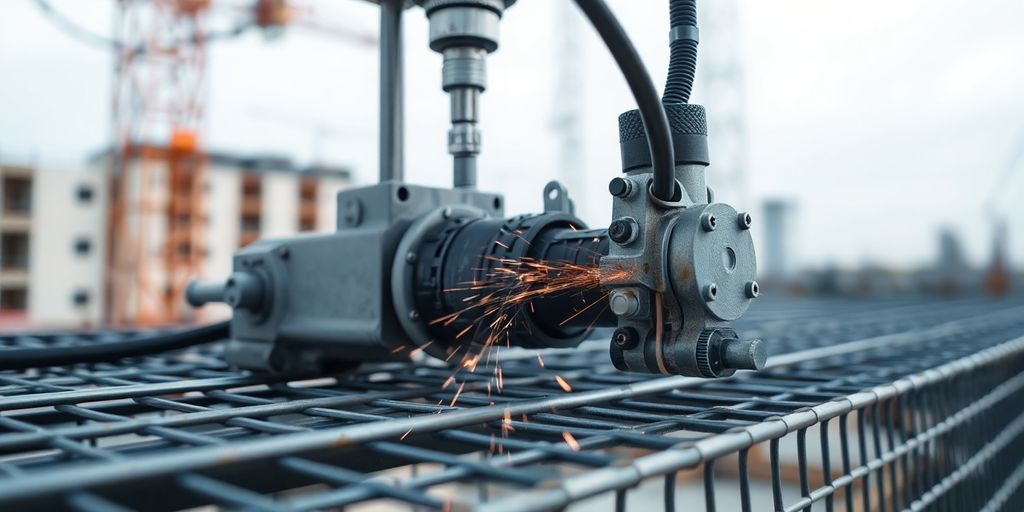
The world of construction mesh welding is on the brink of some pretty cool changes. We’re seeing new materials pop up that are lighter and stronger, which means the mesh we weld can do more with less. Think about high-strength alloys and composite materials making their way into the mix. These materials not only boost the durability of structures but also open doors for innovative designs that weren’t possible before. Plus, there’s a big push towards using more sustainable materials, which is changing how we think about the whole welding process. For example, geomembrane welding is becoming more efficient with new machines.
Sustainability in Welding Practices
Sustainability is becoming a huge deal in construction, and welding is no exception. The focus is shifting towards practices that minimize environmental impact. This means finding ways to reduce energy consumption, cut down on waste, and use materials that are better for the planet. We’re talking about things like using more energy-efficient welding equipment, exploring alternative power sources (like solar), and developing welding techniques that produce fewer emissions. Also, there’s a growing interest in recycling and reusing materials whenever possible, which can significantly lower the carbon footprint of construction projects. It’s all about making welding greener and more responsible. Ultrasonic welding, for example, minimizes heat transfer.
Predicted Market Growth and Demand
The market for construction mesh welding machines is expected to grow quite a bit in the coming years. This growth is fueled by a few key factors. First, there’s the increasing demand for stronger and more durable infrastructure, especially in developing countries. Second, the rise of prefabrication in construction is creating a need for efficient and reliable welding solutions. Finally, technological advancements in welding are making it more attractive to construction companies. All these things together suggest that the demand for infrastructure projects and advanced welding machines will keep going up, making it a pretty exciting time for the industry.
Final Thoughts on Construction Mesh Welding Machines
In summary, construction mesh welding machines are changing the game in the construction industry. They bring speed and precision to the welding process, which helps projects run smoother and faster. As we’ve seen, these machines not only improve the quality of welds but also make the work easier for operators. With their user-friendly designs and advanced technology, they are becoming a must-have for construction companies looking to stay competitive. As the industry keeps evolving, investing in these machines could be key to meeting future demands and challenges.


