
Mesh welding is a must-have process in the automotive industry, whether it’s Woven or Welded Wire Mesh. That’s why its production efficiency is valued in manufacturing. And things are the same for other industries like construction and fence manufacturing. Since the automatic mesh welding machine comes to life, work can be much easier. Many manufacturers like YZ have been investing all the tech and R&D in making high-quality and efficient mesh welding machines for clients to use.
Today we are going to show you how this technique used in making automotive and
This technique involves joining metal wires to create a sturdy mesh that can be used in different parts of vehicles. From improving safety to enhancing performance, understanding mesh welding is essential for modern automotive manufacturing.
Key Takeaways
- Mesh welding strengthens vehicle parts, making them safer and more durable.
- It helps improve airflow, which can lead to better fuel efficiency.
- Using lighter materials like aluminum mesh reduces the overall weight of vehicles.
- Mesh welding is crucial for creating components like grilles and engine covers.
- The technique supports innovative designs and future technologies in electric vehicles.
Understanding Mesh Welding Techniques in the Automotive Industry
Spot Welding in Automotive Applications
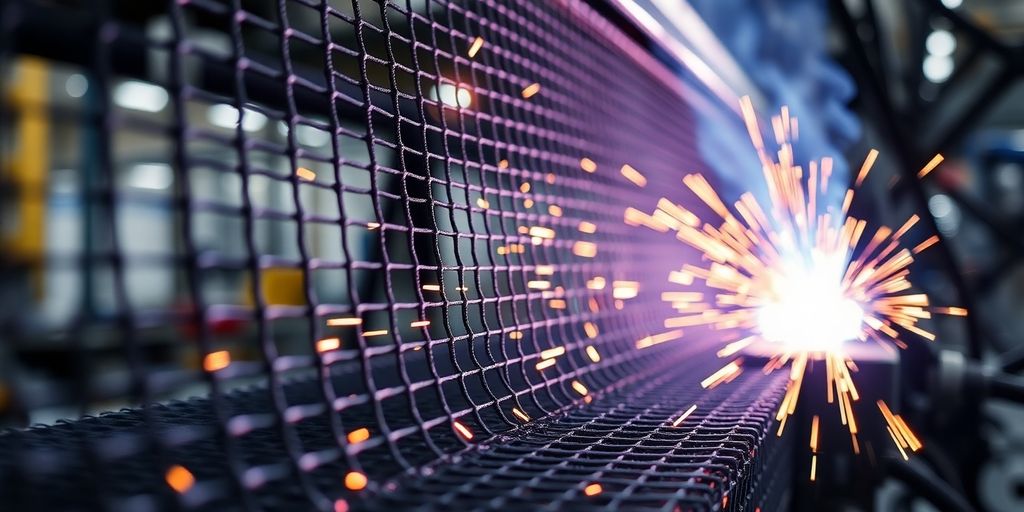
Spot welding is a common technique used in the automotive industry. It involves using electrical currents to join wires at specific points. This method creates a strong bond that is essential for various automotive parts. Spot welding is crucial for ensuring the durability of vehicle structures.
Resistance Welding for Enhanced Durability
Resistance welding is another important technique. It uses heat generated by electrical resistance to fuse metal pieces together. This method is known for its strength and reliability, making it ideal for high-stress automotive components. Here are some key points about resistance welding:
- Provides strong joints that can withstand heavy loads.
- Reduces the risk of corrosion due to the tight seals it creates.
- Is efficient and can be automated for mass production.
Quality Control Measures in Mesh Welding
Quality control is vital in mesh welding to ensure that the final product meets safety and performance standards. Various measures are taken during the manufacturing process, including:
- Regular inspections of welds to check for strength and consistency.
- Testing materials for durability and resistance to wear.
- Monitoring the welding process to prevent defects.
Quality control in mesh welding not only ensures safety but also enhances the overall performance of automotive components.
Key Applications of Mesh Welding in Automotive Manufacturing
Reinforcement of Structural Components
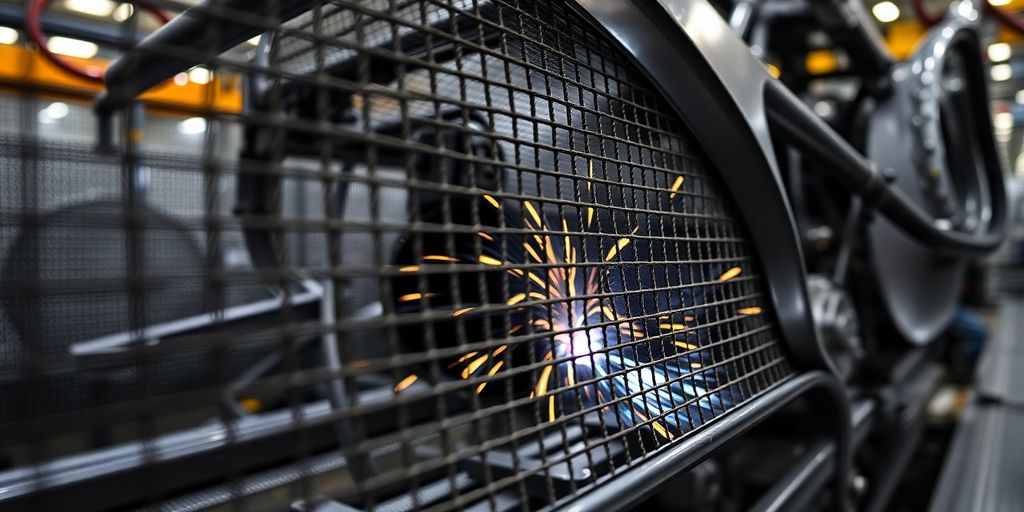
Mesh welding is essential for strengthening various parts of a vehicle. It is commonly used in:
- Pillars: These provide support and stability to the vehicle’s frame.
- Door frames: Reinforced door frames enhance safety during collisions.
- Chassis: A strong chassis is crucial for overall vehicle integrity.
Use in Vehicle Grilles and Engine Compartments
Mesh welding is also vital in areas that require airflow and protection. Key uses include:
- Grilles: They allow air to flow into the engine while keeping debris out.
- Engine compartments: Mesh helps in cooling the engine and protecting sensitive parts.
- Radiator guards: These prevent damage from rocks and other road hazards.
Integration in Safety Features
Safety is a top priority in automotive design. Mesh welding contributes to:
- Airbags: Mesh is used in the construction of airbag systems for better deployment.
- Safety cages: These protect passengers during accidents by maintaining the vehicle’s shape.
- Pedestrian protection: Mesh can help reduce injury to pedestrians in case of a collision.
Mesh welding not only enhances the strength and safety of vehicles but also plays a crucial role in their design and functionality.
Benefits of Mesh Welding for Automotive Efficiency
Improving Airflow and Ventilation
Mesh welding significantly enhances airflow in vehicles. By using wire mesh in air intake systems, manufacturers can ensure that air flows smoothly, which is essential for engine performance. This leads to better cooling and efficiency.
- Optimized Air Distribution: Mesh allows for even air distribution, preventing turbulence.
- Reduced Blockages: The design minimizes the chances of debris clogging the system.
- Enhanced Engine Longevity: Improved airflow contributes to a longer engine life.
Enhancing Fuel Efficiency
Using mesh welding in automotive components can lead to better fuel efficiency. When air and fuel mix more effectively, vehicles consume less fuel.
- Better Combustion: Efficient air intake helps in achieving optimal combustion.
- Lower Emissions: Improved fuel efficiency results in reduced emissions, benefiting the environment.
- Cost Savings: Drivers save money on fuel over time due to increased efficiency.
Reducing Vehicle Weight
Mesh welding can help reduce the overall weight of vehicles, which is crucial for performance and efficiency.
- Lightweight Materials: Wire mesh is lighter than traditional materials, helping to lower the vehicle’s weight.
- Improved Handling: A lighter vehicle can handle better and accelerate faster.
- Increased Payload Capacity: Reducing weight allows for more cargo without exceeding weight limits.
Mesh welding is not just about strength; it’s about creating smarter, more efficient vehicles that meet modern demands.
Material Choices for Mesh Welding in Automotive
Advantages of Aluminum Wire Mesh
Aluminum wire mesh is a popular choice in the automotive industry due to its lightweight and durable nature. Here are some key benefits:
- Lightweight: Reduces overall vehicle weight, improving fuel efficiency.
- Corrosion Resistance: Stands up well against rust and other environmental factors.
- Versatility: Can be used in various applications, from grilles to filters.
Benefits of Stainless Steel Mesh
Stainless steel mesh is another common material used in automotive applications. Its advantages include:
- Strength: Offers high tensile strength, making it ideal for structural components.
- Heat Resistance: Can withstand high temperatures, which is crucial for engine parts.
- Longevity: Provides a longer lifespan compared to other materials.
Comparing Different Alloys
When choosing materials for mesh welding, different alloys can be compared based on their properties. Here’s a simple table:
| Alloy Type | Weight | Strength | Corrosion Resistance |
|---|---|---|---|
| Aluminum | Light | Moderate | High |
| Stainless Steel | Heavy | High | Very High |
| Carbon Steel | Moderate | High | Low |
The choice of material can significantly impact the performance and safety of automotive components. Selecting the right mesh material is essential for achieving optimal results.
Innovations and Future Trends in Automotive Mesh Welding
Advancements in Welding Technology
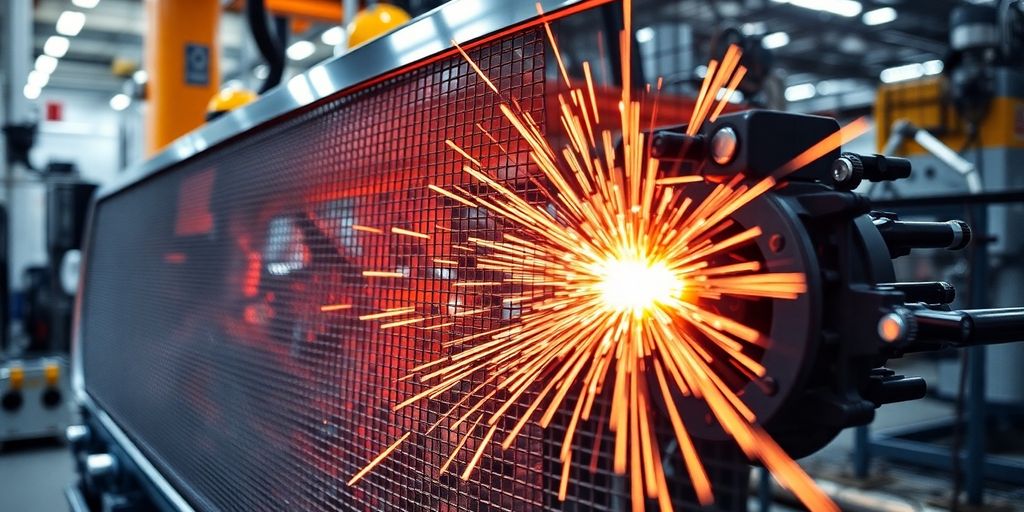
The automotive industry is seeing exciting changes in welding technology. New methods are making mesh welding faster and more efficient. Some key advancements include:
- Laser welding: This technique uses focused light to create strong bonds quickly.
- Robotic welding: Robots can perform precise welds, reducing human error and increasing production speed.
- Ultrasonic welding: This method uses high-frequency sound waves to join materials without needing heat, which can be beneficial for sensitive components.
Sustainable Practices in Mesh Production
As the world focuses more on sustainability, the automotive sector is adopting greener practices in mesh production. Some of these practices are:
- Recycling materials: Using recycled metals reduces waste and conserves resources.
- Energy-efficient processes: New technologies are designed to use less energy during production.
- Eco-friendly coatings: These coatings help protect mesh from corrosion without harmful chemicals.
Future Applications in Electric Vehicles
Electric vehicles (EVs) are becoming more popular, and mesh welding plays a crucial role in their design. Future applications may include:
- Battery enclosures: Mesh can provide strength while keeping the weight low.
- Cooling systems: Improved airflow through mesh can help keep batteries at optimal temperatures.
- Lightweight structures: Using mesh in the frame can reduce overall vehicle weight, enhancing efficiency.
The future of automotive mesh welding looks bright, with innovations paving the way for safer, more efficient, and environmentally friendly vehicles.
Challenges and Solutions in Mesh Welding for Automotive
Addressing Corrosion Resistance
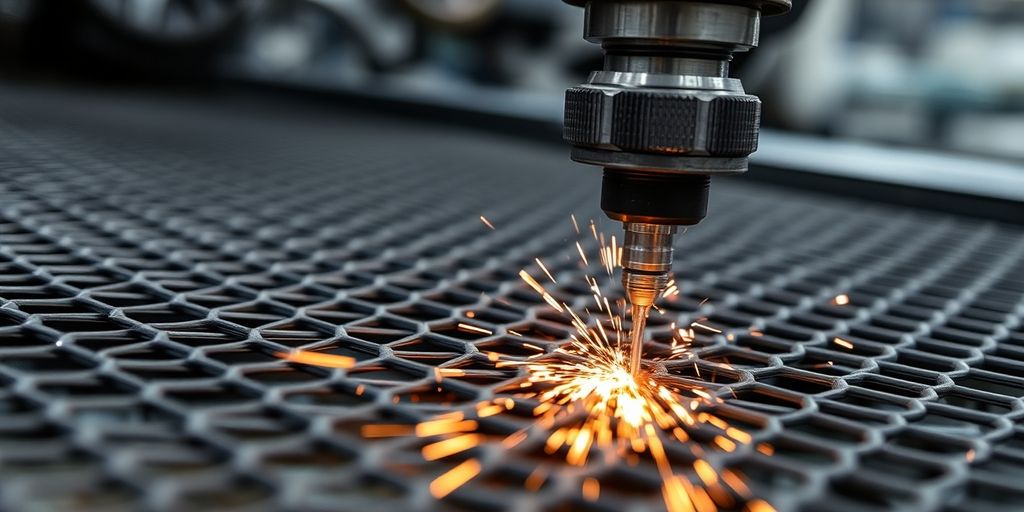
Corrosion can be a significant issue in automotive applications, especially in areas exposed to moisture and road salt. Using high-quality materials like stainless steel or aluminum can help combat this problem. Here are some strategies to enhance corrosion resistance:
- Select appropriate materials: Choose alloys that are known for their corrosion resistance.
- Apply protective coatings: Use coatings that can shield the mesh from environmental factors.
- Regular maintenance: Implement routine checks to identify and address corrosion early.
Ensuring Structural Integrity
Maintaining the strength and durability of welded mesh is crucial for safety. To ensure structural integrity, manufacturers can:
- Conduct thorough testing: Use stress tests to evaluate the strength of the welds.
- Implement quality control measures: Regular inspections during production can catch issues before they escalate.
- Utilize advanced welding techniques: Employ methods like laser welding for stronger bonds.
Overcoming Manufacturing Hurdles
Manufacturing mesh can present challenges, such as achieving consistent quality and managing production costs. Solutions include:
- Investing in technology: Upgrading machinery can improve efficiency and output quality.
- Training staff: Ensuring that workers are well-trained in the latest techniques can reduce errors.
- Streamlining processes: Analyzing and optimizing production workflows can help minimize waste and costs.
The automotive industry must continuously adapt to overcome these challenges, ensuring that mesh welding remains a reliable and effective solution.
Conclusion
In summary, mesh welding is a key part of the automotive industry, bringing many advantages. It helps make cars safer, more efficient, and better looking. This special type of welding is used in various parts of vehicles, like grilles and engine areas, where airflow and protection are important. As the automotive world keeps changing, the use of welded mesh will likely grow, helping to meet new challenges. Overall, this technology is essential for creating modern vehicles that are not only functional but also stylish.


