
Welded wire mesh is a versatile material used in various industries, from construction to agriculture. Yet few know that mesh welding machines automatically make it. Manufacturers like us build such machine production lines to help construction companies and teams produce wire mesh efficiently and in bulk. But how they are automatically produced? What materials are needed? What would be the common issues while making wire mesh using welding machines?
This article will guide you through the essential steps and considerations for making welded wire mesh, covering everything from the basic concepts to troubleshooting common issues.
Key Takeaways
- Welded wire mesh consists of wires that are fused together at their intersections.
- Different types of metal wires can be used, including stainless steel and carbon steel.
- Safety gear is crucial when working with welding equipment to prevent injuries.
- There are various welding techniques, such as spot welding and TIG welding, each with its own advantages.
- Post-welding processes like cutting and galvanizing enhance the durability of the mesh.
What is Welded Wire Mesh
Definition and Applications
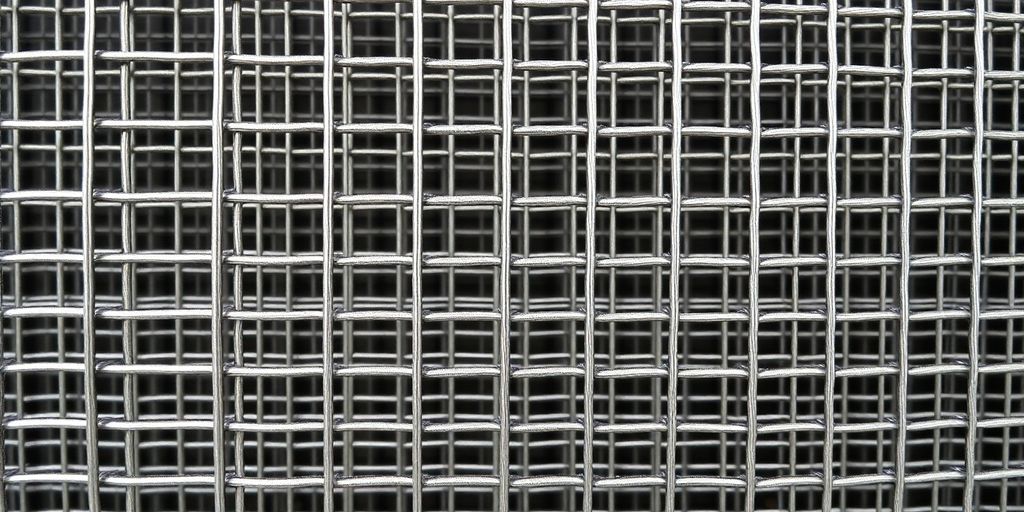
Welded wire mesh is a type of material made from intersecting wires that are joined together by welding. It is widely used in various fields, including construction, agriculture, and industrial applications. Common uses include:
- Fencing for safety and security
- Reinforcement in concrete structures
- Filters for air and liquids
Types of Wire Used
Welded wire mesh can be made from different types of metal, including:
- Carbon Steel: Strong and economical, often used in construction.
- Stainless Steel: Resistant to rust and corrosion, ideal for outdoor use.
- Galvanized Steel: Coated with zinc to prevent rust, suitable for various applications.
Advantages of Welded Wire Mesh
Welded wire mesh offers several benefits:
- Strength and Durability: The welding process creates a strong bond between wires.
- Versatility: It can be used in many applications, from fencing to filtration.
- Cost-Effective: Generally cheaper than other types of mesh due to its manufacturing process.
Welded wire mesh is a reliable choice for many projects, providing strength and flexibility in design.
Materials Needed for Making Welded Wire Mesh
Types of Metal Wires
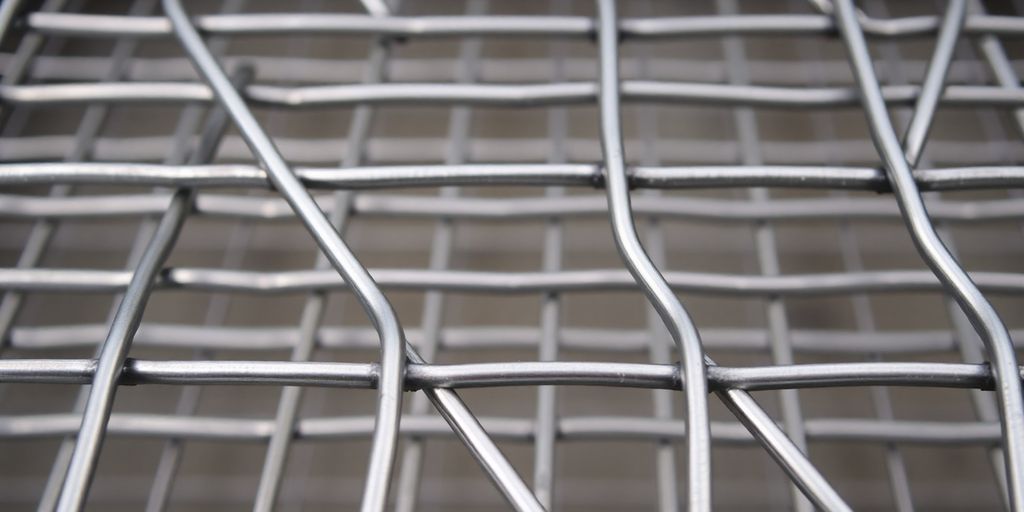
When creating welded wire mesh, the choice of metal wire is crucial. Common types include:
- Stainless Steel: Known for its strength and resistance to rust.
- Carbon Steel: Often used for its affordability and durability.
- Galvanized Steel: Coated to prevent corrosion, making it suitable for outdoor use.
Tools and Equipment
To make welded wire mesh, you will need specific tools and equipment:
- Welding Machine: Essential for fusing the wires together.
- Wire Cutters: For cutting the wire to the desired lengths.
- Measuring Tools: To ensure accurate spacing and dimensions.
Safety Gear
Safety is paramount when working with welding equipment. Always wear:
- Protective Goggles: To shield your eyes from sparks.
- Gloves: To protect your hands from heat and sharp edges.
- Welding Helmet: For full face protection against UV rays and heat.
Remember: Proper safety gear is essential to prevent injuries while working with metal and welding equipment.
Step-by-Step Process of Making Welded Wire Mesh
Drawing Down the Wire
To start making welded wire mesh, the first step is to draw down the wire. This involves:
- Using a series of dies to reduce the diameter of the metal rod into thinner wire.
- Winding the drawn wire onto spools for easy handling.
- Ensuring the wire is straightened for the next steps.
Setting Up the Welding Machine
Once the wire is ready, the next step is to set up the welding machine. This includes:
- Feeding the parallel wires into the machine.
- Adjusting the machine settings for the desired mesh size.
- Ensuring all safety measures are in place before starting the welding process.
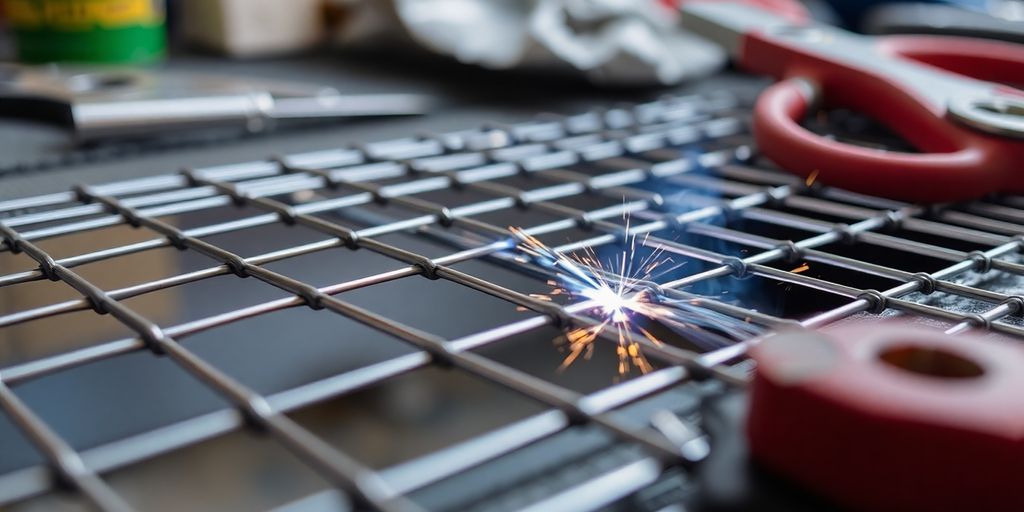
Welding the Wires Together
The final step is to weld the wires together. This process involves:
- Aligning the perpendicular wires over the parallel wires.
- Using electrical resistance to create welds at the intersections.
- Continuously feeding the wires through the machine until the desired length of mesh is achieved.
The welding process is crucial as it ensures the strength and durability of the mesh. Proper settings and alignment are key to achieving a high-quality product.
Different Welding Techniques for Wire Mesh
Spot Welding
Spot welding is a fast method that uses electrical current to create heat and bond materials together. It’s great for quick jobs and works well with single layers of wire mesh. However, it may not provide the strongest bond, and the appearance might not be the best.
TIG Welding
TIG (Tungsten Inert Gas) welding uses a tungsten electrode to join thicker materials. This method creates a strong and clean weld, making it ideal for applications where leaks cannot happen. However, it can be more expensive than other methods.
Plasma Welding
Plasma welding is similar to TIG welding but uses a plasma arc to bond materials. It’s often used for long, cylindrical pieces. This technique is effective but requires more skill and equipment.
Summary Table of Welding Techniques
| Technique | Speed | Strength | Cost | Best For |
|---|---|---|---|---|
| Spot Welding | Fast | Moderate | Low | Quick jobs, single layers |
| TIG Welding | Moderate | High | High | Leak-proof applications |
| Plasma Welding | Moderate | High | Moderate | Long, cylindrical materials |
Each welding technique has its own strengths and weaknesses. Choosing the right one depends on your specific needs and the materials you are working with.
Post-Welding Processes
After welding wire mesh, there are several important steps to ensure the final product is strong and durable. These processes help improve the quality and longevity of the mesh.
Cutting and Bending
- Cutting: Trim the welded wire mesh to the desired size using a metal cutting tool. This ensures it fits perfectly in its intended application.
- Bending: If needed, bend the mesh to fit specific shapes or angles. Use a bending tool to achieve precise angles without damaging the welds.
- Finishing: Smooth out any sharp edges to prevent injuries during handling.
Galvanizing and Coating
Galvanizing and coating are essential for protecting the wire mesh from rust and corrosion. Here’s how:
- Galvanizing: Dip the mesh in molten zinc to create a protective layer. This process helps prevent rusting, especially in outdoor applications.
- Coating: Apply a protective paint or powder coating for additional protection and aesthetic appeal. This can also help in color coding for different applications.
- Drying: Allow the coating to dry completely before handling the mesh.
Quality Control
Quality control is crucial to ensure the welded wire mesh meets the required standards. This includes:
- Visual Inspection: Check for any visible defects in the welds or mesh structure.
- Strength Testing: Perform tests to ensure the mesh can withstand the intended load.
- Documentation: Keep records of inspections and tests for future reference.
Ensuring proper post-welding processes is vital for the durability and effectiveness of welded wire mesh. Skipping these steps can lead to failures in the final product.
Common Issues and Troubleshooting
Welding Defects
Welding defects can happen for various reasons. Here are some common issues:
- Porosity: Small holes in the weld caused by trapped gas.
- Cracks: Can occur due to rapid cooling or improper technique.
- Inconsistent Welds: Uneven welds can weaken the structure.
Wire Alignment Problems
Proper alignment of wires is crucial for a strong mesh. Misalignment can lead to:
- Weak joints that may break under stress.
- Uneven spacing, affecting the mesh’s effectiveness.
- Increased wear on the welding equipment.
Safety Concerns
Safety should always be a priority when working with welded wire mesh. Common safety issues include:
- Inadequate Protective Gear: Always wear gloves, goggles, and a mask.
- Poor Ventilation: Ensure the workspace is well-ventilated to avoid inhaling fumes.
- Electrical Hazards: Be cautious of electrical equipment and connections.
Always prioritize safety and quality to ensure the best results in your welding projects.
Applications of Welded Wire Mesh
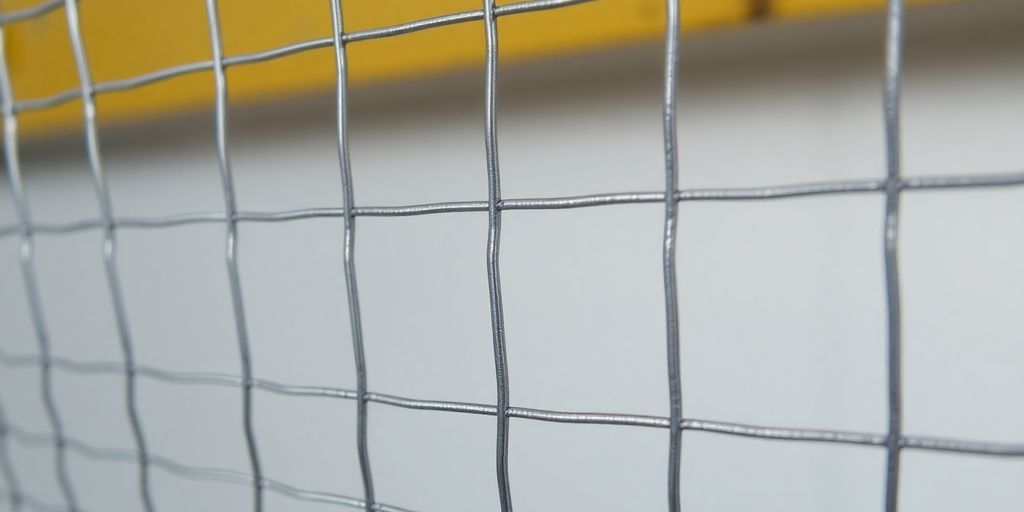
Welded wire mesh is used in many areas due to its strength and versatility. It serves various purposes across different industries.
Construction and Infrastructure
- Fencing: Used for security and boundary marking.
- Concrete Reinforcement: Provides support in concrete structures.
- Safety Barriers: Protects areas from unauthorized access.
Agricultural Uses
- Animal Enclosures: Keeps livestock safe and secure.
- Garden Fencing: Protects plants from animals.
- Poultry Netting: Ensures the safety of birds in farms.
Industrial Applications
- Machine Guards: Protects workers from moving parts.
- Shelving Units: Provides sturdy support for storage.
- Sifting and Filtering: Used in various filtration processes.
| Application Type | Examples |
|---|---|
| Fencing | Horse, Garden, Cattle Fences |
| Reinforcement | Concrete, Heavy Type Mesh |
| Safety Barriers | Roof Safety Mesh, Security Fences |
Welded wire mesh is a reliable choice for many applications, ensuring safety and durability.
Conclusion
In summary, making welded wire mesh is a straightforward process that involves joining wires together through welding. This mesh is useful for many things, like fencing and construction. By understanding the steps involved—from drawing the wire to welding and cutting—you can create strong and reliable mesh for your projects. Whether you choose welded or woven mesh, knowing how they are made helps you pick the right type for your needs. With practice, anyone can learn to make welded wire mesh effectively.


