
So, what exactly is a polyurethane sandwich panel production line? Well, it’s basically a super-organized, usually automated, system designed to crank out those PU sandwich panels we see used everywhere these days. Think walls, roofs, even those big cold storage units. This isn’t just some slapped-together setup; it’s an integrated system where everything works together. You’ve got metal sheets getting unrolled, shaped, then the polyurethane foam gets added, it all gets heated and pressed, and finally, it’s cut to size. All in one smooth, hopefully efficient, process. The goal? To make panels that are strong, insulate well, and can even resist fire. It’s about making building materials on a big scale, meeting the demands of both industry and regular construction.
Automation and Efficiency in Panel Production
Automation is the name of the game when it comes to making these panels efficiently. The more automation you have, the faster and more consistent your production will be. But what does that actually mean? It means things like robotic arms moving materials, sensors checking for defects, and computer programs controlling the whole process. This reduces the amount of human error and speeds things up. For example, a YZ Welding’s PU production line can be set up to run almost non-stop, churning out panels with very little human intervention. This not only increases the number of panels you can make in a day but also helps keep the quality consistent. It’s a big investment upfront, but the long-term gains in efficiency and reduced labor costs can be significant.
Meeting Industry Demands with Advanced Technology
To keep up with what the construction and manufacturing industries need, these production lines are constantly evolving. We’re talking about using better materials, more precise machinery, and smarter software. For example, there’s a push for using more eco-friendly foams and developing panels that offer even better insulation. The machines themselves are getting more sophisticated, with better temperature control and more accurate cutting systems. And then there’s the software – using PLCs (Programmable Logic Controllers) to monitor and adjust everything in real-time, making sure the panels meet the required standards. It’s all about staying ahead of the curve and being able to produce panels that are not only high-quality but also meet the latest energy efficiency and safety requirements.
Categorization of Polyurethane Sandwich Panel Production Lines
Continuous Production Line Characteristics and Applications
Continuous polyurethane sandwich panel production lines are designed for high-volume, uninterrupted manufacturing. These lines operate in a fully automated manner, making them ideal for large-scale production needs. They ensure consistent quality and high-speed output, which is why they’re often used in industries like construction, cold storage, and industrial insulation. While the initial investment might be higher, a continuous PU panel production line offers exceptional long-term performance and cost-efficiency, especially for manufacturers focused on mass production with minimal downtime. Think of it like this:
- High-speed output for large projects.
- Consistent panel quality due to automation.
- Significant long-term cost savings.
Discontinuous Production Line Flexibility and Suitability
A discontinuous polyurethane sandwich panel production line works in a batch-based process, where each panel is produced individually. This setup provides greater flexibility and lower upfront costs, making it suitable for small to medium-scale operations. It allows for easy customization of panel thicknesses, lengths, or core materials. Manufacturers dealing with varying product specifications or fluctuating demand often choose this type of PU sandwich panel production equipment for its adaptability and control. It’s a great option if you need:
- Customizable panel dimensions.
- Lower initial investment.
- Adaptability to changing demands.
Manual and Semi-Automatic Line Considerations
Manual polyurethane sandwich panel lines rely heavily on operator involvement and are the most affordable option. While production speed is slower compared to automated systems, this type allows for precise customization and is easier to maintain and operate. It’s particularly suitable for startups, small-scale manufacturers, or businesses with limited capital that prioritize cost control and manual oversight over output volume. Semi-automatic lines strike a balance between manual and fully automated systems. By integrating key automation features with manual handling, they boost productivity without the high investment required for continuous lines. This PU panel production line is ideal for businesses seeking to improve operational efficiency while maintaining flexible production capabilities and keeping costs manageable. Consider these points:
- Manual lines offer the lowest initial cost.
- Semi-automatic lines increase productivity without huge investment.
- Both allow for greater manual control and customization.
Essential Components of a Polyurethane Sandwich Panel Machine
Polyurethane Foaming System Precision
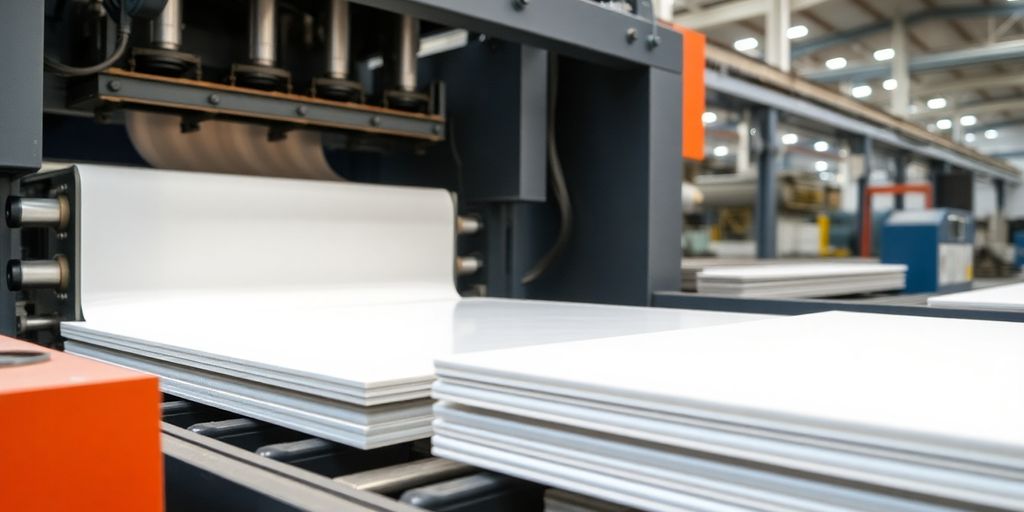
The polyurethane (PU) foaming system is really the heart of any PU sandwich panel production line. It’s what makes the insulating core of the panels. This system usually has a high-pressure polyurethane foaming machine, super accurate metering pumps, and a mixing head that can take a beating. If it’s set up just right, you get foam that’s the same density all over, which means great thermal insulation and panels that are consistently good. A good PU foaming system really makes a difference in how energy-efficient and strong the finished panels are.
Double Belt Conveyor Functionality
The double belt conveyor system is super important for shaping the panels. It’s basically a long press that squeezes the top and bottom steel sheets together with the PU foam in between. This makes sure the panel is the same thickness all over and that everything sticks together really well. This part of the line keeps the pressure and temperature steady so the foam can expand and harden evenly. If you’re running a continuous PU panel production line, how well this works determines how strong the panels are and how they look.
Preheating and Cooling System Integration
Before the foam goes in, the steel coil surfaces run through a preheating station. This warms them up so the foam sticks better. Preheating is especially important if you’re running a fast line or if it’s cold, because the surface temperature can mess with the bonding. By making sure the surface is just right, you get panels that last longer and perform better. After the foaming and pressing, the panels go into the cooling system. This cools down the PU core and hardens the whole thing. Controlled cooling helps keep the panels from warping or bending and makes sure they stay the shape you want. Good cooling is key for keeping productivity high and making sure the panels are good quality over the long haul. These panels are considered the future of prefab homes.
Automated Cutting Unit and PLC Control
Once the panels are the length you need, the cutting unit—usually with a flying saw or circular blade—cuts them fast and accurately without messing up the edges. This part works with the line’s overall speed to make sure you get clean cuts and don’t waste material. A good cutting system is a sign of a well-designed PU sandwich panel production machine. The whole PU sandwich panel production line is run by a modern PLC (Programmable Logic Controller) control system. Operators can watch and change important settings like how much foam is used, the temperature, how fast the conveyor is running, and the pressure in real time. Automation not only makes things more efficient but also makes sure everything is consistent from batch to batch, which cuts down on mistakes and speeds things up.
Strategic Setup of a Polyurethane Sandwich Panel Production Line
Installation and Configuration of Core Equipment
Okay, so you’re getting ready to set up a polyurethane sandwich panel production line? It’s more than just plugging things in. First, you’ve got to think about the layout. Where will each piece of equipment go? The cutting system, the foaming unit, the laminating press—they all need to be positioned for a smooth workflow. Think about minimizing movement and maximizing efficiency. You don’t want workers running all over the place. Make sure you have enough space around each machine for maintenance and repairs. It’s also a good idea to have a clear path for moving materials in and out. Proper planning here can save you a ton of headaches later on.
Raw Material Management and Calibration Protocols
Next up: raw materials. Where are you going to store the polyurethane foam and the metal or composite sheets? You need a system to keep everything organized and easily accessible. Think about things like temperature and humidity control, especially for the foam. Now, calibration is key. You need to make sure all your machines are dialed in to get the right panel thickness and foam density. This isn’t a one-time thing, either. Regular calibration checks are a must to keep your PU panel production line running smoothly. Here’s a simple table to illustrate calibration frequency:
| Equipment | Calibration Frequency | Notes |
|---|---|---|
| Foaming Unit | Weekly | Check foam density and mixing ratios |
| Laminating Press | Monthly | Verify pressure and temperature settings |
| Cutting System | Bi-weekly | Ensure accurate cuts and minimal waste |
Safety System Implementation and Performance Verification
Safety first, always. Polyurethane foaming involves some pretty nasty chemicals, so you need to have robust safety systems in place. Fire suppression units are a must, and you need to make sure you have adequate ventilation to get rid of fumes. Everyone working on the line needs to be properly trained on safety procedures. Before you start cranking out panels, run a bunch of test runs. Check for consistency, speed, and overall performance. It’s better to catch problems early than to have a major issue down the road. Regular maintenance and staff training are also super important for keeping things running safely and efficiently. Here’s a quick checklist:
- Install fire suppression systems.
- Ensure adequate ventilation.
- Conduct regular safety training.
- Perform test runs before full operation.
Economic Considerations for Polyurethane Sandwich Panel Production Lines
Factors Influencing Production Line Cost
Okay, so you’re thinking about getting into the polyurethane sandwich panel game? One of the first things you’ll realize is that the price tag on these production lines can be all over the place. What drives that cost? Well, a big one is production capacity. A line that churns out panels like crazy is going to cost more than one that’s just puttering along. Then there’s the level of automation. The more robots and fancy controls you have, the higher the price. Think about it: a fully automated line needs less human labor, but the initial investment is way bigger. The type of PU foam you’re using also matters – rigid or flexible – and don’t forget about those extra bits and pieces like high-pressure foaming machines. Customization? That’ll cost you too. Basically, the more bells and whistles, the more you’re going to pay.
Investment Range for Advanced Machinery
So, how much are we actually talking? For a basic, entry-level system, you might be looking at around $100,000. That’ll get you something that can do continuous operation, but it won’t be super fancy. Now, if you want something that’s really going to crank out panels, with all the bells and whistles like precise temperature control and automated stacking, you could be looking at anywhere from $200,000 to over $500,000. It’s a pretty big jump, but you’re paying for speed, accuracy, and less need for people on the line. It really depends on what you need to get the job done. The initial investment is a critical factor in determining the long-term profitability of your operation.
Auxiliary Component and Customization Impact on Pricing
Don’t forget about all the little things that add up. Those auxiliary components, like the high-pressure foaming machines or double belt laminators, they’re not cheap. And if you need to tweak the line to fit your specific needs, that’s going to cost extra too. Think about it like buying a car – the base model is one price, but once you start adding in all the extras, the price goes up fast. And it’s not just the initial cost, either. You’ve got to factor in installation, training, and keeping the thing running. So, before you sign on the dotted line, make sure you’ve thought about everything, not just the price of the machine itself. Here’s a quick rundown of potential extra costs:
- Installation fees
- Staff training programs
- Ongoing maintenance and repairs
- Spare parts inventory
Selection Criteria for a Polyurethane Sandwich Panel Production Line
Assessing Production Needs and Automation Levels
Okay, so you’re thinking about getting a polyurethane sandwich panel production line? First things first, you gotta figure out what you actually need. What size panels are you planning to make? How many do you need to crank out each day? Are we talking a small operation or a full-blown factory? These questions will help you determine the level of automation you need. A high-capacity machine with all the bells and whistles is great, but it’s overkill if you’re just starting out. Think about the long game, but don’t overspend on features you won’t use right away. It’s like buying a sports car when all you need is a reliable sedan.
Evaluating Supplier Reliability and Support Services
Choosing a supplier is a big deal. You’re not just buying a machine; you’re entering into a relationship. Do your homework. Check out their reputation. Do they have a history of delivering on time and providing good service? Read reviews, talk to other customers, and see what kind of support they offer. Installation, training, and after-sales service are super important. You don’t want to be stuck with a fancy machine that you don’t know how to use or can’t get fixed when it breaks down. Make sure they offer solid after-sales support and are easy to reach when you have questions or problems. A good supplier will be a partner, not just a vendor.
Optimizing Return on Investment Through Strategic Choice
Let’s talk money. A polyurethane sandwich panel production line is a significant investment, so you need to make sure you’re getting the best bang for your buck. Consider all the costs involved, not just the initial price of the machine. Think about operating costs, maintenance, and potential downtime. A cheaper machine might seem appealing upfront, but it could end up costing you more in the long run if it’s unreliable or inefficient. Look at the big picture and calculate your potential return on investment. How much will you save on labor? How much more product can you produce? A well-matched line can really boost productivity and give you a solid ROI, but only if you choose wisely.
Diverse Applications of Polyurethane Sandwich Panels
Thermal Insulation in Industrial and Commercial Construction
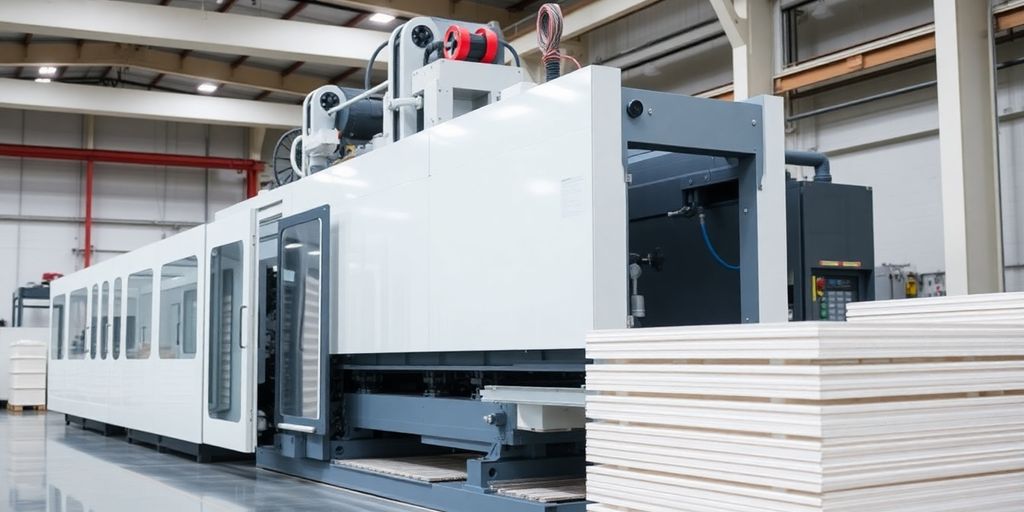
Polyurethane sandwich panels are really popular in building stuff because they’re great at keeping heat in or out. This makes them super useful for places like factories and offices where you want to control the temperature. They’re also lightweight, which means they don’t add a lot of extra weight to the building. Plus, you can get them in all sorts of sizes and thicknesses, so they fit just about any design you can think of. Because of their insulation properties, using PU sandwich panels can really cut down on energy costs, which is a big win for businesses.
Performance Standards for Energy-Efficient Environments
To make sure buildings are energy-efficient, there are rules and standards that materials have to meet. Polyurethane sandwich panels often hit these marks because they’re so good at insulation. They help keep the inside temperature steady, which means you don’t have to crank up the heat or AC as much. This not only saves energy but also makes the building more comfortable. Plus, these panels can help buildings get energy-efficient certifications, which is a nice bonus.
Versatility in Cold Storage and Modular Building Systems
Polyurethane sandwich panels are also awesome for cold storage places like warehouses and refrigerators. They keep the cold in super well, so food and other stuff stay fresh. And because they’re easy to put together, they’re perfect for modular buildings too. You can build stuff quickly and easily with these panels, which is great for temporary buildings or places where you need to expand fast. They’re strong, lightweight, and can be customized, making them a really flexible choice for all sorts of building needs. Using a polyurethane sandwich panel machine ensures these panels meet the required standards for such specialized applications.
Sustaining Operational Longevity of Polyurethane Sandwich Panel Machinery
Proactive Equipment Inspection and Lubrication Regimens
Okay, so you’ve got this awesome PU panel production equipment humming along, churning out panels like nobody’s business. But here’s the thing: it’s not gonna last forever if you don’t treat it right. Think of it like your car – you wouldn’t just drive it until it breaks down, right? You’d get regular oil changes and check the tires. Same deal here. Regular inspections are key to spotting problems before they turn into major headaches.
What should you be looking for? Well, start with the obvious stuff: loose bolts, worn belts, leaky hoses. Then, get into the nitty-gritty: check the alignment of the conveyor belts, make sure the cutting unit is still sharp, and listen for any unusual noises. And don’t forget about lubrication! Those moving parts need to be properly oiled and greased to reduce friction and prevent wear. Follow the manufacturer’s recommendations for lubrication schedules and use the right type of lubricant. Trust me, a little bit of preventative maintenance can save you a ton of money and downtime in the long run.
System Performance Monitoring and Software Updates
It’s not enough to just look at the machine; you also need to keep an eye on how it’s performing. That means monitoring things like temperature, pressure, and production speed. If you notice any sudden changes or inconsistencies, that’s a red flag that something might be wrong. Most modern polyurethane sandwich panel machines come with software that can track these parameters and alert you to potential problems. But here’s the catch: you need to actually use it! Make sure someone on your team is responsible for regularly checking the system performance and investigating any anomalies.
And speaking of software, don’t forget about updates! Just like your phone or computer, the software that controls your PU panel production line needs to be updated regularly to fix bugs, improve performance, and protect against security threats. These updates often include improvements to the control algorithms, which can optimize the foaming process, reduce material waste, and increase production speed. Ignoring these updates is like driving a car with outdated maps – you might get where you’re going eventually, but it’s going to be a lot slower and more frustrating.
Staff Training and Environmental Control for Optimal Production
Your fancy machine is only as good as the people who are operating it. That’s why staff training is so important. Make sure your team knows how to properly operate the machine, troubleshoot common problems, and perform basic maintenance tasks. This not only reduces the risk of accidents and breakdowns but also empowers your employees to take ownership of the production process. A well-trained team can identify potential problems early on and take corrective action before they escalate into major issues.
Finally, don’t underestimate the importance of environmental control. Polyurethane is sensitive to temperature and humidity, so it’s important to keep the production area within the recommended range. Extreme temperatures can affect the foaming process, leading to inconsistent panel quality. High humidity can cause condensation, which can damage the machine and affect the adhesion of the foam to the metal sheets. By controlling the environment, you can ensure stable and efficient production, and extend the lifespan of your PU sandwich panel production line.
Conclusion
So, to wrap things up, getting a PU sandwich panel production line going means you need to plan carefully. You also need to really get what kind of polyurethane sandwich panel machines are out there. And, of course, you have to understand all the costs involved. If you put your money into the right PU panel production equipment, keep it up, and train your people well, then you can make things run smoothly and make money for a long time. The tech for PU sandwich panel production lines keeps getting better. So, staying on top of new stuff and being ready for changes will help businesses stay competitive in this market. If you’re ready to move forward, you can contact Formetal for help and a custom price quote for your PU sandwich panel production needs.


