
Picking the right materials for mesh welding projects can be a bit tricky. There’s a bunch of stuff to think about – like the type of mesh, what your project needs, and how much you’re willing to spend. Whether you’re working on something industrial or just a small DIY project or in seismic activity, understanding the different mesh materials is super important as it can help with your workflow and boost your effiiency. This guide will help you figure out what works best for your needs, so your project turns out just right.
Key Takeaways
- Understand the properties of different mesh materials like welded, woven, and expanded metal.
- Evaluate your project’s specific needs, including environmental factors and aesthetic preferences.
- Consider the durability of materials, focusing on corrosion resistance and strength.
- Keep your budget in mind while assessing the cost-effectiveness and long-term value of materials.
- Explore customization options for mesh size, shape, and finishes to suit your project.
Understanding Different Types Of Mesh Materials
Welded Wire Mesh Characteristics
Welded wire mesh is like the backbone of many construction projects. It’s made by welding steel wires together at intersections, creating a grid that’s both strong and durable. This type of mesh is perfect for projects that need a lot of strength, like reinforcing concrete or building secure fences. The strength and rigidity of welded wire mesh make it a top choice for heavy-duty applications. However, it’s less flexible, which can make it a bit tricky to work with in projects that require a lot of bending or shaping.
Expanded Metal Mesh Benefits
Expanded metal mesh is a bit different. It’s made by cutting and stretching a metal sheet, creating a pattern of diamond-shaped openings. This design gives it a high strength-to-weight ratio, making it strong yet lightweight. It’s often used in places where you need a sturdy barrier but also want to let light and air through, like in walkways or safety barriers. One of the cool things about expanded metal mesh is that it can be quite decorative, adding a unique look to buildings.
Woven Wire Mesh Applications
Woven wire mesh is made by weaving metal wires over and under each other, much like fabric. This gives it a level of flexibility and precision that’s ideal for filtration and decorative purposes. You’ll find woven wire mesh in everything from industrial filtration systems to fancy architectural facades. It’s customizable, so you can choose different mesh sizes and wire diameters to fit your specific needs. If you’re working on a project that requires both functionality and aesthetic appeal, woven wire mesh is often the way to go.
When choosing mesh materials, consider not just the immediate needs of your project, but also the long-term durability and maintenance. Each type of mesh offers unique benefits, making them suitable for a variety of applications.
Evaluating Project Requirements
Identifying Functional Needs
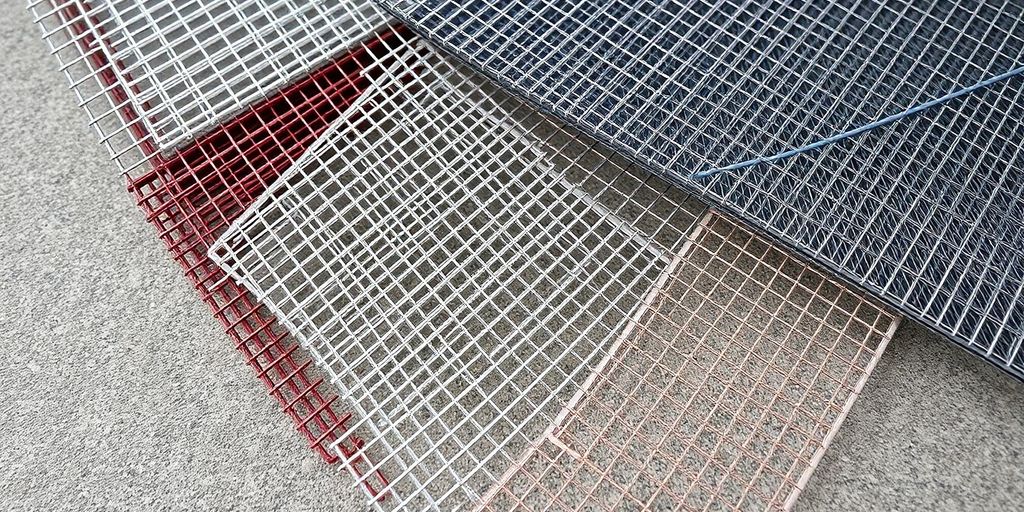
When starting a mesh welding project, the first step is to clearly identify what you need the mesh to do. Is it for structural support, filtration, or perhaps for aesthetic purposes? Each application demands a specific type of mesh. For instance, if you’re looking at enhancing safety and structural integrity in construction, welded wire mesh might be your go-to due to its strength and durability.
Assessing Environmental Conditions
The environment where the mesh will be used plays a huge role in material selection. Outdoor projects, especially those exposed to moisture, typically require materials like galvanized steel or stainless steel to prevent rust. If your project is in a high-temperature area, like near furnaces, you’ll want a mesh that can withstand heat without losing its integrity.
Determining Aesthetic Preferences
Sometimes, projects aren’t just about function, but also about form. Woven wire mesh is often chosen for its visual appeal and versatility in design. When aesthetics are key, consider how the mesh will look in its final setting. Think about the finish and whether it aligns with your design goals. For projects where mesh welding enhances infrastructure, the right mesh can add both beauty and function.
When selecting mesh materials, it’s not just about the immediate need but also about anticipating future conditions and requirements. This foresight ensures longevity and effectiveness in your projects.
Material Selection For Durability
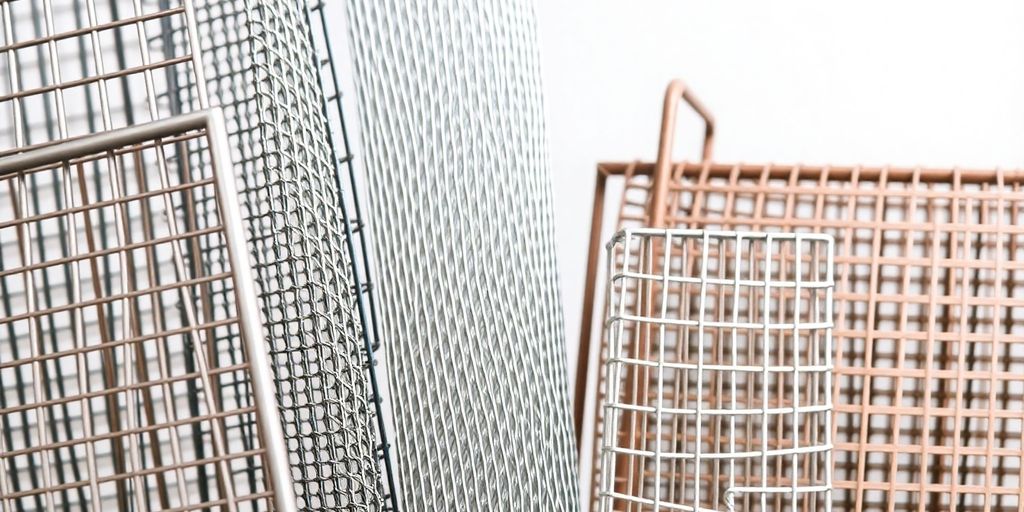
When it comes to picking materials for mesh welding projects, durability is key. It’s not just about the immediate job; it’s about ensuring that the material can withstand the test of time and conditions. Let’s break down the main factors to consider.
Corrosion Resistance Considerations
Choosing a material that can resist corrosion is crucial, especially for outdoor or moisture-prone environments. Stainless steel and galvanized steel are popular choices due to their excellent resistance to rust and corrosion. In environments with high humidity or exposure to chemicals, opting for corrosion-resistant materials can significantly extend the lifespan of your mesh.
- Stainless Steel: Ideal for marine or acidic environments where high corrosion resistance is needed.
- Galvanized Steel: Offers great protection in less harsh environments, making it a cost-effective option.
- PVC Coating: Adding a coating can further enhance durability and lifespan.
Strength And Weight Factors
Balancing strength and weight is another important consideration. The mesh needs to be strong enough to handle the required load without being excessively heavy.
- Thicker Wire Gauges: Provide more strength and are suitable for heavy-duty applications like concrete reinforcement.
- High-Strength Coatings: Modern innovations like high-strength coatings can increase durability without adding much weight.
- Material Choice: Stainless steel and aluminum are strong yet lightweight options.
Long-Term Maintenance Needs
Thinking about maintenance upfront can save a lot of hassle down the road. Different materials have different maintenance requirements, impacting the overall cost and effort involved in keeping the mesh in good condition.
- Regular Inspections: Schedule regular checks to catch wear and tear early.
- Ease of Cleaning: Materials that resist dirt and grime reduce cleaning frequency.
- Repairability: Consider how easy it is to repair or replace sections of the mesh if needed.
Selecting the right material isn’t just about the immediate costs or appearance. It’s about investing in a solution that will perform well over time, requiring minimal maintenance and offering reliability in any condition. By weighing corrosion resistance, strength, and maintenance needs, you can make a choice that supports the longevity and success of your project.
Cost Considerations In Material Choice
Budgeting For Different Mesh Types
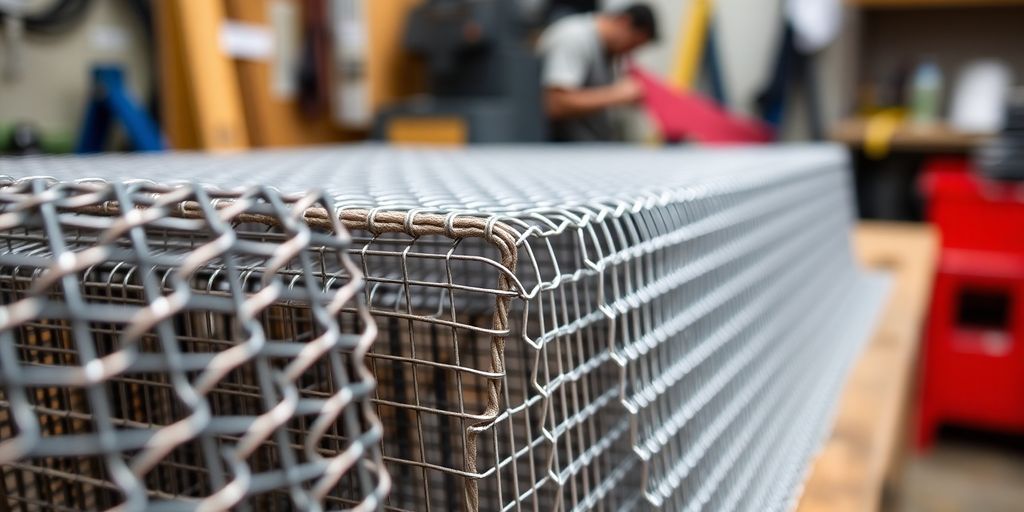
When diving into a mesh welding project, understanding the budget is crucial. Different types of mesh materials come with varying price tags. For instance, stainless steel mesh is often more expensive than galvanized steel due to its superior corrosion resistance and longevity. Here’s a quick breakdown:
| Mesh Type | Cost Range |
|---|---|
| Stainless Steel | High |
| Galvanized Steel | Moderate |
| Aluminum | Moderate |
| Plastic Coated Mesh | Low |
Evaluating Cost-Effectiveness
Cost-effectiveness isn’t just about the initial purchase price. Consider the long-term value. Stainless steel may cost more upfront but can save money over time due to its durability and low maintenance needs. On the other hand, if the project is temporary, a cheaper material might be the way to go.
- Initial Costs: What are you paying right now?
- Maintenance Costs: How much will upkeep cost over time?
- Replacement Costs: Will the material need to be replaced often?
Understanding Long-Term Value
Long-term value is about looking beyond the sticker price. Think about how each material will perform over the years. A more expensive material might offer better resistance to wear and tear, reducing the need for frequent repairs or replacements.
Choosing the right material isn’t just about today—it’s about the years ahead. Consider how each option will hold up under the conditions it will face, and make sure it aligns with your project goals.
Incorporating these cost considerations into your planning can lead to smarter decisions and ultimately, a more successful project. Whether you’re automating mesh welding or manually handling the tasks, understanding your material costs is key to project success.
Customization Options For Mesh Projects
Tailoring Mesh Size And Shape
Choosing the right mesh size and shape can make a huge difference in your project. Whether it’s for an industrial application or a decorative piece, customizing these aspects ensures the mesh fits perfectly. Here are some common options:
- Mesh Size: Adjusting the size of the mesh openings can cater to specific needs, like filtration or security.
- Wire Diameter: Thicker wires increase strength, while thinner ones are more flexible.
- Shape: From squares to diamonds, the shape can affect both the functionality and aesthetic appeal.
Choosing Coatings And Finishes
The right coating or finish not only enhances the appearance but also extends the life of the mesh. Consider these options:
- Galvanization: Adds a layer of zinc to prevent rust, ideal for outdoor use.
- PVC Coating: Offers a colorful, smooth finish, protecting against weather and wear.
- Powder Coating: Provides a durable and decorative finish, available in various colors.
Selecting the appropriate coating can significantly reduce maintenance needs and improve the mesh’s durability.
Incorporating Unique Design Elements
Mesh isn’t just functional; it can be a design element too. Here’s how you can incorporate unique features:
- Patterns: Custom patterns can add a decorative touch to architectural projects.
- Colors: Using colored coatings can match or contrast with other design elements.
- Textures: Textured finishes can create visual interest and depth.
Customization in mesh projects allows you to tailor the materials to your specific needs and preferences, making each project unique. Whether it’s mesh welding in the automotive industry or architectural applications, these options ensure your mesh works as intended while looking great.
Common Applications Of Mesh Materials
Industrial Uses Of Welded Mesh
Welded mesh is a powerhouse in industrial settings. It’s often used for fencing and reinforcement in concrete structures. This mesh type is super strong and durable, making it ideal for heavy-duty applications. From securing perimeters to supporting large-scale construction projects, welded mesh is a go-to material. Its ability to withstand high stress and harsh conditions makes it indispensable in many industrial environments.
Architectural Applications Of Woven Mesh
Woven mesh is a favorite in architectural designs, offering both beauty and function. Its flexibility allows it to be used in creative ways, like facades and decorative panels. It brings a modern look to buildings while providing practical benefits like light diffusion and ventilation. Architects love it for its versatility and the ability to tailor it to specific design needs. Whether it’s for a chic office building or a stunning art installation, woven mesh delivers both style and substance.
Safety And Security Implementations
Mesh materials are also vital for safety and security. Expanded metal mesh, for instance, is often used for safety barriers and fencing. Its strong, yet open structure allows visibility and airflow while keeping areas secure. In places like construction sites or industrial plants, this mesh type helps prevent accidents by providing clear boundaries without blocking sightlines. Additionally, woven mesh is used in security screens and protective barriers, offering both durability and resistance to tampering. These applications highlight the importance of mesh materials in maintaining safety and security across various settings.
Maintenance And Care For Mesh Materials
Regular Inspection Guidelines
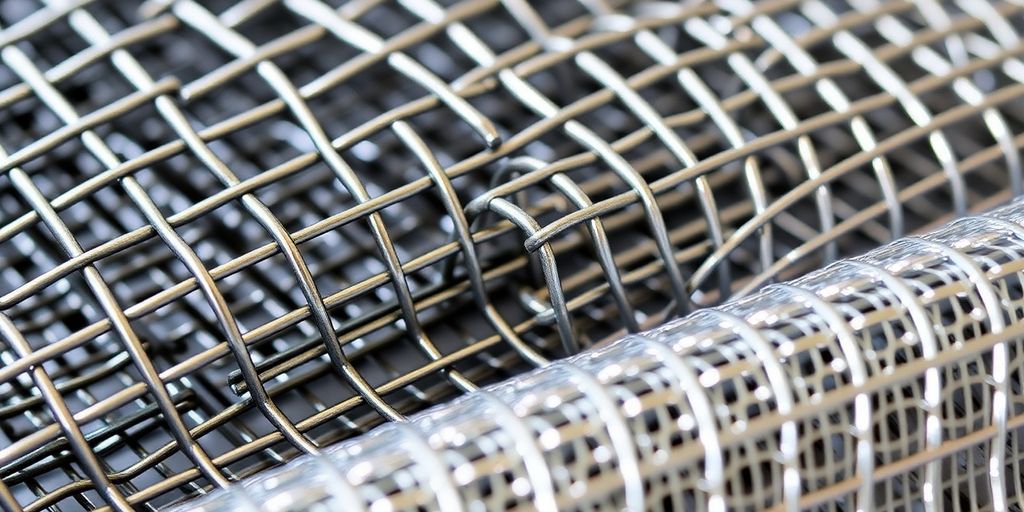
Keeping an eye on your mesh materials is a must. Regular inspections help catch early signs of damage or wear. Make it a habit to check for rust, especially if your mesh is outdoors or in a humid environment. Look for any signs of bending or breaks in the mesh. If you spot any issues, it’s better to address them sooner rather than later to avoid bigger problems down the line.
Cleaning And Upkeep Practices
Cleaning your mesh might seem like a chore, but it’s worth it. Dirt and debris can trap moisture, leading to rust. Use a soft brush or cloth to remove any buildup. For tougher grime, a mild detergent mixed with water usually does the trick. Be sure to rinse thoroughly and let it dry completely. If your mesh has a coating, check if it needs reapplying after cleaning.
Addressing Wear And Tear Issues
Over time, your mesh might start showing signs of wear and tear. Small holes or bent wires can often be fixed without too much hassle. However, if the damage is extensive, it might be time to replace the affected sections. Always use compatible materials for repairs to maintain the mesh’s integrity. And if you’re unsure about handling repairs, it might be worth consulting a professional to ensure the job’s done right.
Wrapping It Up
So, there you have it. Picking the right mesh material isn’t just about grabbing the first thing you see. It’s about thinking through what your project really needs. Whether you’re building a fence, reinforcing concrete, or just looking for something that looks good, there’s a mesh out there for you. Remember, it’s not just about the now—think about how it’ll hold up in the long run. Thanks for hanging out with us on the blog today. We hope this helps you out with whatever you’re working on. Keep an eye out for more guides, because we’re always diving into new topics. And hey, if you’re curious about building a chicken coop, we’ve got a blog for that too. Happy building!
Frequently Asked Questions
What are the different types of mesh materials?
There are several types of mesh materials, including welded wire mesh, expanded metal mesh, and woven wire mesh. Each type has unique characteristics and uses.
How do I choose the right mesh material for my project?
To choose the right mesh material, consider the project’s functional needs, environmental conditions, and aesthetic preferences. Also, think about durability and cost.
What is the best mesh material for outdoor use?
For outdoor use, galvanized or stainless steel mesh is often best because they resist rust and corrosion.
Can mesh materials be customized?
Yes, mesh materials can be customized in terms of size, shape, and coatings to fit specific project needs.
How can I maintain my mesh materials?
Regular inspection and cleaning are key to maintaining mesh materials. Look for signs of wear and tear and address any issues promptly.
What are common uses for mesh materials?
Mesh materials are commonly used in construction, agriculture, and for safety and security purposes. They are also used in architectural and decorative applications.


