
Fundamental Composition of Polyurethane Sandwich Panels
Defining Polyurethane Sandwich Panel Structure
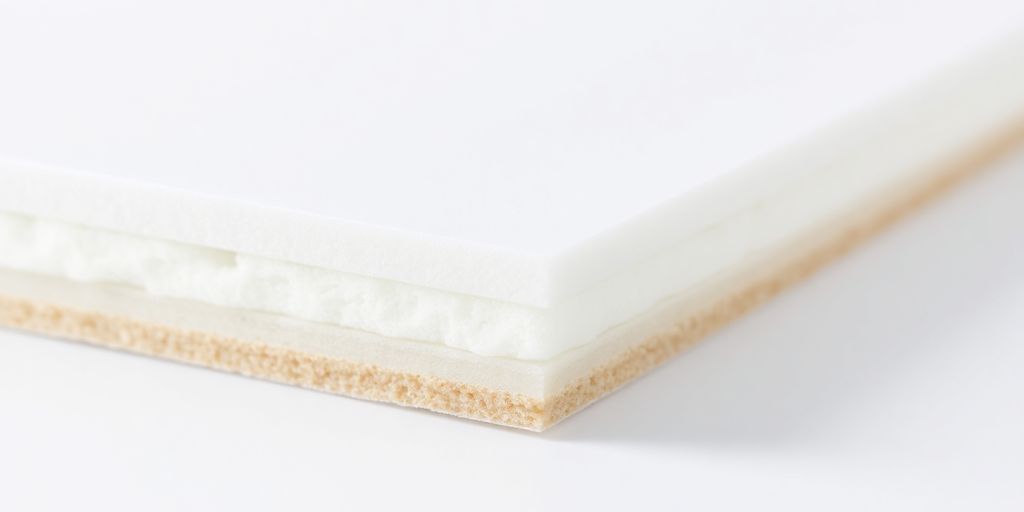
Okay, so what exactly is a polyurethane sandwich panel? Basically, it’s a construction material that’s made up of three layers. Think of it like a sandwich, hence the name. You’ve got two outer layers, and then a core material squished in between. The outer layers are usually metal, like steel or aluminum, and they provide the strength and weather resistance. The core is where the magic happens – it’s made of polyurethane foam, which is what gives the panel its awesome insulation properties. These panels are popular because they’re strong, lightweight, and insulate really well. They’re used everywhere from houses to big industrial buildings.
Core Material Characteristics and Functions
Let’s talk about that core material – the polyurethane foam. This stuff is key to why these panels work so well. First off, it’s a fantastic insulator. It traps air inside its structure, which slows down the transfer of heat. This means buildings stay cooler in the summer and warmer in the winter, which can save a lot on energy bills. Plus, polyurethane foam is pretty resistant to moisture, mold, and even pests. So, it helps keep the panels in good shape for a long time. It also adds to the panel’s structural stability, helping it withstand loads and impacts. It’s really a multi-tasker!
External Layer Materials and Their Properties
Now, about those outer layers. Usually, they’re made of metal, and there are a few reasons for that. Metal is strong, so it protects the core and gives the panel its structural integrity. It’s also weather-resistant, which is super important for keeping out rain, snow, and wind. Plus, metal can be painted or coated to look nice and match the building’s design. You’ll often see steel or aluminum used, but other materials like fiberglass are sometimes used too. The choice of material really depends on the specific needs of the project, like how much strength is needed or what kind of weather it needs to withstand.
Classification of Polyurethane Sandwich Panels
Sandwich panels are pretty cool building materials. They’re like a multi-layered cake, but instead of frosting and sponge, you’ve got insulation and metal. The type of insulation used really defines what kind of panel it is and what it’s good for. Let’s break down the main types you’ll run into.
Polyurethane (PUR) Panel Specifications
Polyurethane, or PUR, panels are a popular choice because they offer good insulation at a reasonable cost. They’re made by sandwiching a core of PUR foam between two outer layers, usually metal sheets. These panels are lightweight, which makes them easy to handle and install. They’re often used in walls, roofs, and ceilings of buildings where keeping the temperature stable is important. One thing to keep in mind is that PUR isn’t the most fire-resistant material out there, so it’s important to consider fire safety when using these panels. They are a good all-around option for many standard construction needs.
Polyisocyanurate (PIR) Panel Attributes
PIR panels are similar to PUR panels, but they’re made with a different type of foam that’s more fire-resistant. This makes them a better choice for buildings where fire safety is a big concern. While they cost a bit more than PUR panels, the added safety can be worth it, especially in commercial or industrial settings. PIR panels also offer good thermal insulation, so they help keep buildings energy-efficient. They’re a solid upgrade from PUR when you need that extra fire protection.
Expanded Polystyrene (EPS) Panel Characteristics
EPS panels use expanded polystyrene as the core material. These panels are very lightweight and cost-effective, making them a budget-friendly option. They’re often used in applications where insulation is needed but the budget is tight. However, EPS panels aren’t as strong or fire-resistant as PUR or PIR panels, so they’re not suitable for all applications. They’re a good choice for temporary structures or buildings where the insulation requirements aren’t too demanding. Think of them as the economy option in the sandwich panel world.
Mineral Wool Panel Properties
Mineral wool panels are a completely different beast. Instead of foam, they use mineral wool as the core material. This makes them highly fire-resistant, which is a huge plus in certain applications. They also offer good sound insulation, so they’re often used in buildings where noise control is important. Mineral wool panels are heavier and more expensive than foam-based panels, but their fire and sound insulation properties make them a great choice for specific needs. If you’re building something that needs to be super safe and quiet, mineral wool is the way to go.
Critical Selection Parameters for Polyurethane Sandwich Panels
Thermal Insulation Efficacy and R-Value Considerations
Okay, so you’re thinking about using polyurethane sandwich panels? Smart move! But before you jump in, let’s talk about what really matters: how well these things keep the heat in (or out!). That’s where thermal insulation and R-values come into play. The R-value is basically a measure of how well a material resists heat flow; the higher the R-value, the better the insulation.
Think of it like this: a thin t-shirt on a cold day (low R-value) versus a thick winter coat (high R-value). You want that winter coat for your building, right?
Here’s a few things to keep in mind:
- Climate Matters: If you live in a place with crazy winters or scorching summers, you’ll need panels with higher R-values to keep your energy bills down.
- Building Codes: Check your local building codes! They often have minimum R-value requirements for walls and roofs.
- Long-Term Savings: Sure, panels with higher R-values might cost a bit more upfront, but they’ll save you money on heating and cooling in the long run. It’s an investment, not just an expense.
Structural Integrity and Load-Bearing Capacity
These panels aren’t just about insulation; they also need to hold up! Structural integrity is key, especially if you’re using them for walls or roofs. You need to know how much weight they can handle. Load-bearing capacity is all about that. Can they withstand wind, snow, or even people walking on them? Here’s the deal:
- Panel Thickness: Thicker panels generally mean more strength. But don’t just assume; check the specs!
- Core Density: The type of foam inside matters. Denser foam usually means better load-bearing capacity.
- Span Distance: How far apart are the supports? Longer spans need stronger panels.
It’s like building with LEGOs. You need to make sure your structure is solid, or it’s all going to come crashing down. Always consult with a structural engineer to make sure you’re choosing the right panels for your project. Better safe than sorry!
Fire Resistance Ratings and Safety Standards
Okay, let’s talk about something super important: fire safety. Polyurethane is flammable, so you need to pay attention to fire resistance ratings. These ratings tell you how long a panel can withstand fire before it fails. Different panels have different ratings, and it’s crucial to pick the right ones for your building. Here’s what you need to know:
- Fire Ratings: Look for panels with good fire resistance ratings. These are usually expressed in terms of how many minutes or hours the panel can withstand a fire.
- Building Codes (Again!): Fire safety is a big deal, so building codes will definitely have requirements for fire resistance. Make sure your panels meet those requirements.
- Core Material: Some types of polyurethane foam are more fire-resistant than others. Polyisocyanurate (PIR) is often a better choice than standard polyurethane (PUR) when it comes to fire safety.
Don’t skimp on fire safety! It’s not worth the risk. Always check the fire resistance ratings and make sure you’re meeting all the necessary safety standards. It could save lives.
Applications of Polyurethane Sandwich Panels in Construction
Residential Building Integration and Benefits
Okay, so you’re thinking about using polyurethane (PU) sandwich panels for your house? Smart move! These things are showing up everywhere, and for good reason. They’re basically like super-insulated building blocks that can make your home way more energy-efficient and comfy. Think about it: walls, roofs, even garage doors – all benefiting from that sweet, sweet PU foam core. Plus, they look pretty slick, and you can find them in all sorts of styles to match your taste. It’s not just about looks, though. These panels are tough, resist moisture, and keep pests out, which means less maintenance and a longer lifespan for your home. Seriously, it’s a win-win.
Commercial and Industrial Facility Implementations
Now, let’s talk business. PU sandwich panels are total game-changers for commercial and industrial buildings. Warehouses, factories, retail spaces – you name it, they’re using them. Why? Because these panels are all about efficiency and durability. They’re lightweight, which makes installation a breeze, saving time and money on labor. And because they provide excellent insulation, businesses can slash their energy bills, which is always a good thing. Plus, they’re super versatile, so you can use them for walls, roofs, partitions, and even ceilings. Basically, if you’re looking for a cost-effective and reliable building solution for your business, PU sandwich panels are definitely worth checking out.
Specialized Applications in Controlled Environments
Alright, let’s get into the really cool stuff. PU sandwich panels aren’t just for houses and warehouses; they’re also perfect for specialized environments where temperature and hygiene are critical. Think cold storage facilities, clean rooms, and agricultural buildings. These panels provide exceptional thermal insulation, which means you can maintain precise temperature control, whether you’re storing food, manufacturing sensitive products, or raising livestock. Plus, they’re easy to clean and resistant to mold and bacteria, which is essential for maintaining a sterile environment. So, if you need a reliable and high-performance building solution for a controlled environment, PU sandwich panels are the way to go.
Installation Methodologies for Polyurethane Sandwich Panels

Pre-Installation Site Preparation and Requirements
Before you even think about slapping those polyurethane sandwich panels up, you’ve got to get your site prepped. Think of it like prepping a canvas before painting – you wouldn’t just start throwing paint on a dirty, uneven surface, would you? First off, make sure the area where you’re installing the panels is clean, dry, and level. Any debris, moisture, or unevenness can mess with the panel adhesion and overall structural integrity. Check the framing, too. Is it square? Is it solid? If not, fix it. You’ll also want to gather all your tools and materials beforehand. Nothing’s worse than getting halfway through a job and realizing you’re missing a crucial fastener or sealant. Here’s a quick checklist:
- Verify the structural integrity of the existing framework.
- Ensure the surface is free from dust, debris, and moisture.
- Confirm all necessary tools and materials are on hand.
Step-by-Step Panel Fastening Procedures
Alright, now for the fun part: actually putting the panels up. But don’t get too excited and rush things. Precision is key here. Start by measuring and cutting the panels to the right size. Remember the old saying: measure twice, cut once. Use the right tools for cutting – a circular saw with a metal-cutting blade usually does the trick. Once your panels are cut, position them carefully against the framework. Use appropriate fasteners – screws or rivets – to secure the panels. Make sure the fasteners are compatible with both the panel material and the framework material. Space the fasteners evenly, following the manufacturer’s recommendations. Over-tightening can damage the panels, while under-tightening can compromise the seal. Here’s a simplified step-by-step:
- Measure and accurately cut the panels to the required dimensions.
- Position the panels against the framework, ensuring proper alignment.
- Secure the panels using appropriate fasteners, spaced evenly according to guidelines.
Post-Installation Sealing and Finishing Techniques
So, the panels are up, but you’re not done yet. Sealing and finishing are crucial for preventing air and moisture infiltration, which can lead to energy loss and structural damage. Apply sealant to all joints and seams between the panels. Use a high-quality sealant that’s compatible with polyurethane and the surrounding materials. Smooth out the sealant with a putty knife or similar tool for a clean, professional look. You might also want to add trim or flashing to further protect the edges of the panels and enhance the overall appearance. Finally, inspect the entire installation for any gaps or imperfections and address them promptly. A little extra attention to detail now can save you a lot of headaches down the road. Consider these finishing touches:
- Apply sealant to all joints and seams to prevent air and moisture infiltration.
- Smooth the sealant for a clean, professional appearance.
- Install trim or flashing to protect panel edges and enhance aesthetics.
Long-Term Performance and Maintenance of Polyurethane Sandwich Panels
Durability Against Environmental Degradation
Polyurethane sandwich panels are generally pretty tough, but they’re not invincible. Their long-term performance really depends on how well they stand up to the elements. Things like constant sun exposure, rain, and big temperature swings can take a toll. UV radiation, for example, can cause the surface to fade or even degrade over time. Moisture can seep in if there are any gaps or damage, leading to corrosion or reduced insulation performance. It’s a good idea to check the panels regularly for any signs of wear and tear, especially around the edges and joints. Using protective coatings can help extend their life by shielding them from UV rays and moisture.
Routine Inspection and Cleaning Protocols
Keeping polyurethane sandwich panels in good shape doesn’t have to be a huge chore. Regular inspections are key – just walk around and look for any cracks, dents, or signs of damage. Pay close attention to the seams and any areas where panels join together. Cleaning is also important. A simple wash with mild soap and water will usually do the trick. Avoid using harsh chemicals or abrasive cleaners, as these can damage the surface. For tougher stains, a soft brush or sponge can be helpful. It’s also a good idea to clear away any debris, like leaves or branches, that might accumulate on or around the panels. Doing these simple things regularly can prevent bigger problems down the road.
Repair and Replacement Strategies for Optimal Longevity
Even with the best care, polyurethane sandwich panels might need some repairs or replacements eventually. Small dents or scratches can often be fixed with patching compounds or sealants. If there’s more serious damage, like a large crack or a section that’s come loose, it might be necessary to replace the entire panel. When replacing a panel, make sure to use the same type and thickness to maintain consistent insulation and structural integrity. It’s also important to properly seal the new panel to prevent moisture from getting in. Knowing when to repair and when to replace can really extend the lifespan of the panels and keep them performing well for years to come.
Environmental Impact and Sustainability of Polyurethane Sandwich Panels
Eco-Friendly Aspects of Polyurethane Foam Production
Okay, so let’s talk about how good (or not-so-good) polyurethane foam is for the planet. You know, when you’re building something, you want to make sure you’re not totally trashing the environment, right? Well, the cool thing is that making polyurethane (PU) foam is getting greener all the time. More and more manufacturers are trying to cut down on the yucky stuff they release into the air and water during production. They’re also looking at using more sustainable materials to make the foam itself. It’s not perfect, but it’s a step in the right direction. Plus, because PU foam is such a good insulator, it helps buildings use way less energy, which is a big win for reducing carbon footprints. So, choosing PU sandwich panels can actually be a pretty responsible move.
Recyclability and End-of-Life Management
What happens when these panels are no longer useful? That’s a big question, and honestly, it’s something we need to think about more. Right now, recycling PU sandwich panels isn’t super common, but it’s getting there. The goal is to find ways to reuse the materials instead of just chucking them in a landfill. Some companies are exploring ways to break down the panels and use the components in new products. It’s all part of this idea of a “circular economy,” where we try to keep materials in use for as long as possible. It’s still a work in progress, but the more people demand sustainable options, the more innovation we’ll see in this area. So, keep asking about recyclability – it makes a difference!
Contribution to Energy Efficiency and Carbon Footprint Reduction
Let’s be real: energy efficiency is where PU sandwich panels really shine. Because they’re such amazing insulators, they can seriously cut down on the amount of energy needed to heat and cool buildings. Think about it – less energy used means fewer greenhouse gases pumped into the atmosphere. Over the lifespan of a building, that can add up to a huge reduction in its carbon footprint. So, by choosing PU panels, you’re not just making your building more comfortable; you’re also doing your part to combat climate change. It’s a pretty powerful combination, and it’s why so many people are turning to these panels for their construction projects.
Conclusion
So, picking the right polyurethane sandwich panel is a big deal for any building project. You really need to think about what you’re using it for, like if it’s for a house or a factory. Also, consider things like how well it insulates, how strong it is, and if it can handle fire. There are a bunch of different kinds out there, each with its own good points. If you pick the right one, your building will be better, last longer, and save you money on energy. It’s all about making smart choices for your specific needs.


