
The Composition and Characteristics of Polyurethane Faux Stone Panels
Material Science of Polyurethane Panels
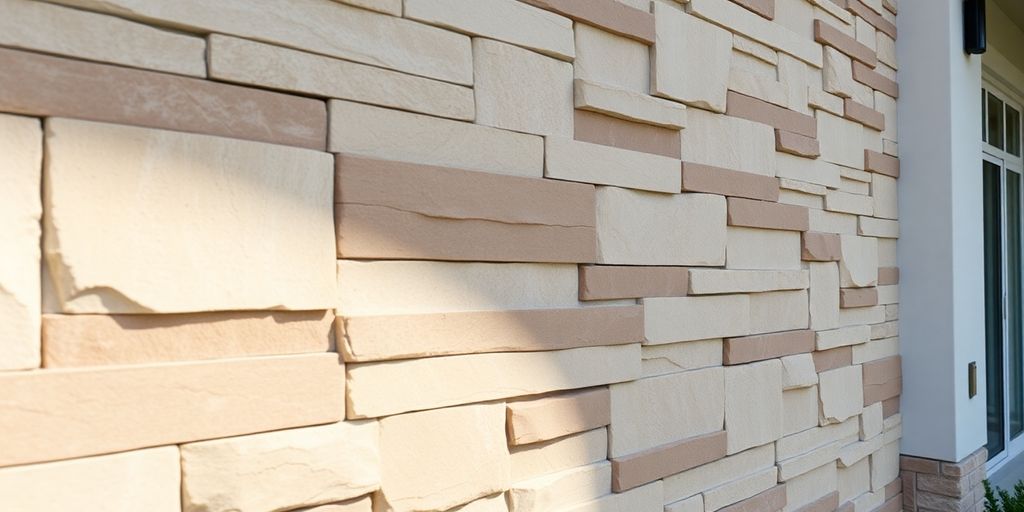
Polyurethane faux stone panels are crafted from a polymer composed of organic units joined by carbamate (urethane) links. This material is selected for its unique combination of properties, including high durability, low density, and excellent insulation capabilities. The manufacturing process involves injecting liquid polyurethane into molds that replicate the texture and form of natural stone. A chemical reaction then causes the polyurethane to expand and solidify, creating a lightweight yet rigid panel. The density of the polyurethane can be adjusted to meet specific performance requirements, such as increased impact resistance or enhanced thermal insulation. The closed-cell structure of the foam contributes to its resistance to water absorption and degradation from environmental factors. This makes it a great choice for sustainable building solutions.
Replication of Natural Stone Aesthetics
One of the primary advantages of polyurethane faux stone panels is their ability to mimic the appearance of natural stone with remarkable accuracy. This is achieved through a combination of advanced molding techniques and meticulous hand-painting processes. Molds are created from actual stone formations to capture the intricate details of natural textures, patterns, and variations. The panels are then carefully painted by skilled artisans to replicate the subtle color variations and tonal nuances found in real stone. This attention to detail ensures that each panel has a unique and authentic look, avoiding the repetitive patterns that can detract from the realism of other faux materials. The interlocking design of many polyurethane panels further enhances the seamless appearance, creating a continuous stone surface that is virtually indistinguishable from a traditionally laid stone wall.
Advantages Over Traditional Masonry
Polyurethane faux stone panels offer several distinct advantages over traditional masonry, making them an attractive alternative for both interior and exterior applications. These advantages include:
- Reduced Weight: Polyurethane panels are significantly lighter than natural stone, reducing the need for structural support and simplifying installation.
- Simplified Installation: The lightweight nature of the panels, combined with their interlocking design, allows for faster and easier installation compared to traditional masonry, which requires specialized skills and equipment.
- Cost-Effectiveness: The lower material costs, reduced labor expenses, and minimal maintenance requirements of polyurethane panels contribute to significant cost savings over the lifespan of the installation.
- Enhanced Durability: Polyurethane is resistant to moisture, pests, and extreme temperatures, ensuring long-lasting performance and minimal degradation over time.
- Design Versatility: Polyurethane panels are available in a wide range of styles, colors, and textures, providing greater design flexibility compared to the limited options available with natural stone.
Comparative Analysis: Polyurethane Faux Stone Panels Versus Natural Stone
Economic Considerations and Cost-Benefit Analysis
Okay, let’s talk money. When you’re thinking about sprucing up your place with that stone look, the price tag is a big deal. Natural stone? Beautiful, sure, but it can seriously hit your wallet hard. You’re not just paying for the stone itself; you’ve got quarrying, cutting, shipping – all that adds up. Plus, installation is usually a job for pros, which means more costs.
Now, polyurethane panels? They’re way more budget-friendly. The material itself is cheaper to make, and because they’re lighter, shipping costs are lower too. And here’s a bonus: many DIYers can handle the installation, saving even more money. So, if you’re watching your spending, faux stone is a smart move. Think about it: you get the look without emptying your bank account. Here’s a quick comparison:
| Feature | Natural Stone | Polyurethane Faux Stone |
|---|---|---|
| Material Cost | High | Low |
| Shipping Cost | High | Low |
| Installation Cost | High | Low to Medium |
| Maintenance Cost | Medium | Low |
Installation Efficacy and Structural Implications
Alright, let’s get into the nitty-gritty of putting these things up. Natural stone? It’s heavy. Like, really heavy. That means you might need to beef up the wall behind it to make sure it can handle the weight. That’s extra work and extra cost. Plus, cutting and shaping natural stone? Not easy. You need special tools and some serious skills. It’s definitely a job best left to the experts.
Polyurethane panels, on the other hand, are super lightweight. You can often stick them right onto an existing wall without worrying about structural changes. Cutting them to fit? Easy peasy with regular tools. And because they’re interlocking, you can get a pretty seamless installation. So, if you’re looking for a quick and easy upgrade, faux stone wins hands down. No need to hire a team of masons or reinforce your walls. Here’s the breakdown:
- Weight: Natural stone is heavy, faux stone is light.
- Installation: Natural stone needs pros, faux stone is DIY-friendly.
- Structural Needs: Natural stone might need extra support, faux stone usually doesn’t.
Durability and Maintenance Regimens
Okay, so how do these things hold up over time? Natural stone is tough. It can handle pretty much anything Mother Nature throws at it. But, it’s not completely maintenance-free. You might need to seal it every now and then to protect it from stains and water damage. And cleaning it can be a pain because it’s porous and can trap dirt.
Polyurethane panels are pretty durable too, though maybe not quite as tough as real stone. They’re resistant to pests and extreme temperatures, and they won’t fade in the sun. Plus, they’re super easy to clean – just wipe them down with a damp cloth. The downside? They’re combustible, so you need to keep them away from direct heat sources. But overall, they’re pretty low-maintenance. Here’s the deal:
- Durability: Natural stone is super tough, faux stone is pretty tough.
- Maintenance: Natural stone needs sealing, faux stone just needs wiping.
- Environmental Resistance: Both are good, but faux stone is combustible.
Criteria for Selecting Optimal Polyurethane Faux Stone Panels
Authenticity of Visual and Tactile Attributes
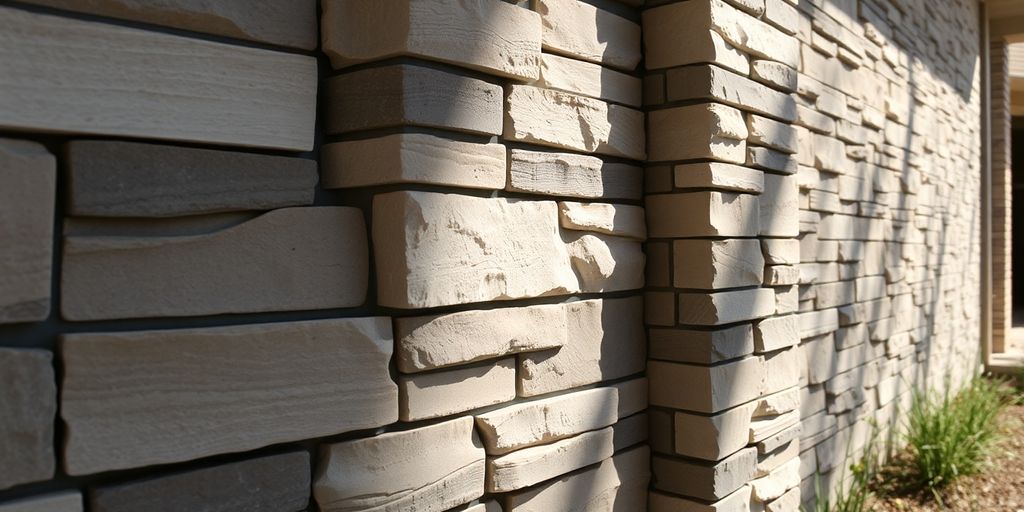
Okay, so you’re thinking about using faux stone panels. Cool. But how do you pick the right ones? It’s not just about slapping something on the wall and calling it a day. You want it to look legit, right? The key is to really look at the details. I mean really look. Are there subtle color variations from panel to panel? If every single panel looks exactly the same, it’s gonna scream “fake.” Real stone has natural differences, so your faux stone should too. Our brains are wired to pick up on patterns, so slight variations are key to fooling the eye.
And don’t just look – touch! Does it feel like stone? You want that rough, natural texture. If it feels smooth and plasticky, that’s a red flag. A good polyurethane panel will mimic the texture of real stone, adding to the overall realism. Think about it: texture plays a huge role in how we perceive things. A smooth stone just doesn’t feel right.
Dimensional Specifications and Economic Efficiency
Panel size matters, and not just for looks. It’s about getting the most bang for your buck. You might see a panel that seems cheaper at first glance, but what if it’s way smaller than another option? You could end up needing way more panels to cover the same area, and suddenly that “cheap” option isn’t so cheap anymore. It’s like buying in bulk – sometimes it’s a better deal, sometimes not. Do the math! Figure out the square footage you need to cover and then compare the cost per square foot for different panels. This will give you a much clearer picture of the true cost.
Also, think about waste. Larger panels might mean less cutting and less wasted material, especially if your wall is a simple rectangle. But if you have lots of corners and weird angles, smaller panels might be easier to work with and result in less waste. It’s a balancing act. Consider the dimensions of your project and choose a panel size that minimizes waste and maximizes efficiency. Don’t forget to factor in the cost of extra adhesive or fasteners you might need for smaller panels.
Procedural Simplicity of Installation
Nobody wants to spend weeks wrestling with PU Sandwich Panels. Installation should be straightforward, not a DIY nightmare. Before you buy, see if you can find the installation guide. Give it a quick read. Does it make sense? Does it seem like you’ll need a ton of specialized tools and materials? If so, maybe look elsewhere. The best faux stone panels are designed for easy installation, even for beginners. They should come with clear, detailed instructions and only require basic tools like a saw, level, and adhesive.
Think about how the panels connect. Do they interlock? Interlocking panels can create a more seamless look and make installation easier. Are there any special considerations for corners or edges? Some panels have matching corner pieces, which can save you a lot of time and effort. And what about cutting? Can you easily cut the panels to fit your space, or will you need some fancy equipment? The easier the installation, the less time and money you’ll spend on the project. Plus, you’re less likely to end up with a frustrating, half-finished mess.
Strategic Applications of Polyurethane Faux Stone Panels in Interior Design
Creation of Focal Accent Walls
Polyurethane faux stone panels are great for making a statement wall. They can transform a plain wall into a visually interesting focal point. Think about using them in living rooms, bedrooms, or even hallways to add texture and depth. The panels are designed to mimic the look of real stone, so you get that natural aesthetic without the weight or cost. You can choose from a variety of styles and colors to match your existing decor. For example, a dry stack panel in a neutral color can create a rustic, cozy feel, while a ledgestone panel in a darker shade can add a touch of sophistication. It’s a simple way to achieve seamless installation and make a big impact.
Integration within Open-Concept Architectural Spaces
Open-concept spaces can sometimes feel a bit bland or undefined. Polyurethane faux stone panels can help break up the monotony and create distinct zones within the larger area. Consider using them to define a dining area, highlight a bar, or create a backdrop for a seating area. The panels can also be used to add texture and visual interest to large, blank walls. Because they’re lightweight and easy to install, you can experiment with different layouts and designs without committing to a permanent structure. Plus, they’re durable and easy to clean, making them a practical choice for high-traffic areas. Think about how the panels can complement the overall design of the space and enhance fireplace surrounds.
Enhancement of Fireplace Surrounds
Fireplaces are natural focal points in any room, and polyurethane faux stone panels can really make them stand out. They’re a safer and more affordable alternative to real stone, especially since PU sandwich panels are combustible and require an offset from heat sources. You can use the panels to create a surround that complements the style of your home, whether it’s rustic, modern, or traditional. The panels are also easy to cut and shape, so you can customize the design to fit your specific fireplace. And because they’re resistant to moisture and pests, they’ll stay looking great for years to come. It’s a simple way to add warmth and character to your living space.
Exterior Integration of Polyurethane Faux Stone Panels for Enhanced Curb Appeal
Facade Cladding and Siding Applications
Polyurethane faux stone panels are a pretty cool way to give your home a facelift without the hassle of real stone. Think about it: you can totally change how your house looks from the outside, making it way more attractive. These panels are great for covering up old siding or just adding some visual interest. They’re also lightweight, which means you don’t need to worry about extra support or complicated installation. Plus, they come in a bunch of different styles and colors, so you can find something that matches your taste. It’s like giving your house a brand new outfit, but way easier than dealing with actual stone. For example, you can use polyurethane sandwich panels to add an extra layer of insulation.
Architectural Detailing of Columns and Entryways
Columns and entryways are prime spots to use faux stone panels. They can really make these features pop and add a touch of elegance. Imagine your front porch columns wrapped in a realistic-looking stone finish – it instantly upgrades the whole vibe of your home. Entryways also benefit big time; a little bit of faux stone around the door can make a huge difference. It’s all about creating a welcoming and stylish entrance. And because the panels are easy to cut and shape, you can customize them to fit perfectly around any architectural detail. It’s a simple way to add some serious curb appeal. If you are looking for customization options, you should contact a professional.
Resilience to Environmental Factors
One of the best things about polyurethane faux stone panels is how well they hold up against the weather. Unlike real stone, which can be a pain to maintain, these panels are designed to withstand all sorts of environmental challenges. Rain, snow, sun – they can handle it all without fading, cracking, or deteriorating. This means you get a long-lasting, low-maintenance exterior that looks great year after year. Plus, they’re resistant to pests and moisture, which is always a bonus. So, you can enjoy the look of stone without the worries of upkeep. It’s a smart choice for anyone who wants a beautiful and durable exterior. Here’s a quick rundown:
- Weather-resistant: Handles rain, snow, and sun.
- Low-maintenance: No need for sealing or special cleaning.
- Pest-resistant: Keeps unwanted critters away.
Advanced Considerations in Polyurethane Faux Stone Panel Selection
Chromatic Harmony and Contrast Principles
Okay, so you’re thinking about using faux stone panels, huh? It’s not just about slapping some panels on a wall; it’s about making your space look awesome. Color is a big deal. You gotta think about what colors are already in the room. Do you want the panels to blend in, like they’ve always been there? Or do you want them to pop and grab everyone’s attention? For example, if your living room is all cool blues and grays, maybe some faux stone with warm browns could really cozy things up. Or, if you’re feeling bold, go for a stark contrast to make a statement. It’s all about finding that balance. Think of it like picking out clothes – you want the outfit to work together, right? Same thing here. Don’t just pick a color because you like it; think about how it’ll play with everything else in the room. You can even order product samples to see how the colors look in your space before committing.
Textural Variance and Aesthetic Impact
Texture is another thing that can really change how a room feels. Do you want something smooth and modern, or rough and rustic? Faux stone panels come in all sorts of textures, so you’ve got options. A rough texture can add a lot of character and make a space feel more natural, while a smoother texture can give off a more polished vibe. It really depends on what you’re going for. I’ve seen some amazing fireplace surrounds made with really rough, jagged faux stone – it just screams cozy. But then I’ve also seen some super sleek accent walls with smooth, almost polished-looking panels that look incredibly modern. Think about how the texture will feel, not just how it looks. Will it be inviting? Will it add depth? Texture can also affect how light plays in the room, so keep that in mind too. Some textures might look better in certain lighting conditions. It’s all about the details, really. If you prefer a rougher, more rugged look, Billings’ jagged surface is a great option, whereas Lexington’s tightly squared angles give a more finished look.
Quality Assurance and Material Longevity
Not all faux stone panels are created equal. You want something that’s going to last, right? So, you gotta do your homework and make sure you’re getting a good quality product. Look for panels made from high-density polyurethane – that stuff is tough. It can handle bumps, scratches, and even extreme temperatures. And make sure the color is baked in, not just painted on the surface. You don’t want it fading after a year or two. Check the reviews, ask around, and see what other people are saying about different brands. It’s worth spending a little extra to get something that’s going to last. Here’s a quick checklist:
- Material: High-density polyurethane is your friend.
- Color: Make sure it’s fade-resistant.
- Durability: Check for scratch and impact resistance.
- Warranty: A good warranty is a sign of a quality product.
Don’t just go for the cheapest option – you’ll probably end up regretting it. Invest in quality, and your faux stone panels will look great for years to come.
Wrapping Things Up
So, that’s the deal with polyurethane faux stone panels. They give you that nice stone look without all the fuss and cost of real stone. You can use them inside or outside, and they come in lots of styles and colors. It’s pretty easy to put them up yourself, and they don’t need much looking after. If you want to make your home look better without a huge project, these panels are a good choice.


