
Mesh welding machines are game-changers in industries where wire mesh is a staple. If you’re in construction, agriculture, or manufacturing, these machines can be your best investment. They’re not just about making mesh; they streamline the whole process, cutting down on labor and boosting efficiency. With automation at their core, these machines handle the heavy lifting, letting businesses focus on growth and quality as long as you can maintain them well. Let’s dive into how these machines can really help cut labor costs and improve operations.
Key Takeaways
- Mesh welding machines automate the welding process, drastically reducing the need for manual labor.
- These machines ensure precise and consistent welds, improving product quality and reducing waste.
- By cutting down on labor and errors, businesses can save money and reallocate resources more effectively.
- Mesh welding machines are versatile, allowing for customization and use in various industries.
- Investing in these machines can lead to long-term savings and open up new market opportunities.
Understanding the Basics of Mesh Welding Machines
How Mesh Welding Machines Operate
Mesh welding machines are fascinating pieces of technology. They work primarily on the principle of resistance welding. Imagine wires crossing each other at right angles; these machines use heat and pressure to join them at their intersections. This process is largely automated, making it both precise and efficient. The automation ensures that every weld is consistent, which is crucial for maintaining the structural integrity of the mesh. Typically, the process starts with feeding wires into the machine. These wires are then aligned and welded together in a seamless operation.
Automated mesh welding can significantly enhance productivity by speeding up the welding process, ensuring consistent quality, and reducing costs. This automated mesh welding technology allows for faster production rates, fewer defects, and lower labor costs.
Key Components of Mesh Welding Machines
The heart of a mesh welding machine is its core components, each playing a vital role in the production process. Here’s a quick rundown:
- Electrodes: These are used to apply the necessary heat and pressure to weld the wires together.
- Servo Motors: They control the precise movement of wires and mesh pulling systems, ensuring everything is in the right place at the right time.
- PLC Control System: This system automates the entire process, allowing for customization of wire spacing and mesh size.
- Straightening Rollers: These straighten the wires before they enter the welding area, ensuring uniformity and reducing errors.
- Cutting System: Once the mesh is welded, this system automatically cuts it to the desired size.
Types of Mesh Welding Machines
Mesh welding machines come in various types, each suited for different applications. Some are designed for heavy-duty industrial use, while others are more suitable for smaller projects. The choice of machine often depends on the specific needs of a project, such as the type of wire being used or the required mesh size. For instance, high-end machines might feature advanced control systems and automation capabilities, making them ideal for large-scale production. On the other hand, simpler machines might be more cost-effective for smaller operations.
In construction, these machines are transforming the industry by enhancing productivity, efficiency, and safety. They automate the welding of reinforcing wire mesh, significantly reducing project timelines and labor costs compared to traditional methods. Their ability to produce high-quality welded wire mesh at high speeds leads to faster completion of structural elements, ultimately decreasing building costs. Wire mesh welding machines are crucial for selecting the right machine, as they impact long-term efficiency and performance.
Labor Cost Reduction Through Automation
Minimizing Manual Labor Requirements
Automating mesh welding processes drastically cuts down the need for manual labor. This shift not only slashes operational costs but also frees up employees for other critical tasks like maintenance and product development. Here’s how automation helps reduce labor requirements:
- Fewer Operators Needed: Automated machines require fewer people to operate, allowing companies to save on labor costs while boosting production capacity.
- Reduced Training Time: With user-friendly control systems, training new operators is quicker and less costly compared to manual welding.
- Task Reallocation: Employees can focus on quality control and innovation, enhancing overall productivity.
Efficiency Gains with Automated Systems
Automation in mesh welding doesn’t just trim labor costs—it also ramps up efficiency. Machines work tirelessly and consistently, ensuring a steady flow of production without the hiccups that come with human error. Consider these efficiency gains:
- Continuous Operation: Automated systems minimize downtime, maintaining a smooth production cycle.
- Consistent Quality: Machines ensure uniform welds, reducing defects and rework.
- High-Speed Production: Capable of producing large quantities quickly, meeting high-demand orders becomes feasible.
Impact on Workforce Allocation
By integrating automation, businesses can rethink how they allocate their workforce. Instead of focusing on labor-intensive tasks, employees can be redirected to more strategic roles that drive innovation and growth.
- Strategic Workforce Deployment: Employees can engage in roles that require creativity and problem-solving, such as product design and process improvement.
- Enhanced Job Satisfaction: Workers are often more satisfied when they are not tied to repetitive, monotonous tasks.
- Future-Ready Workforce: As automation takes over routine tasks, the workforce can be upskilled to handle more complex responsibilities.
Embracing automation in mesh welding is not just about cutting costs; it’s about paving the way for a more dynamic, efficient, and innovative workplace. By reducing manual labor and optimizing efficiency, businesses can focus on what truly drives growth and success.
Enhancing Production Efficiency and Quality
Consistent Weld Quality and Structural Integrity
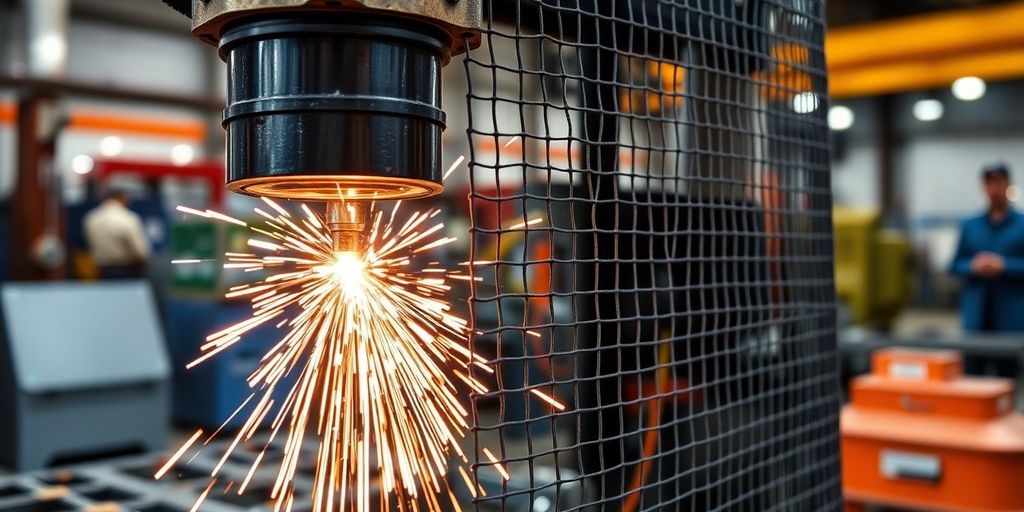
When it comes to welding, consistency is king. Wire mesh welding machines are designed to deliver uniform welds every time, ensuring that the structural integrity of each mesh panel is up to par. This consistency is crucial for industries like construction, where every piece needs to meet strict safety and quality standards. These machines use advanced technology to maintain precise control over welding parameters, which means fewer weak spots and a stronger final product.
Speeding Up Production Timelines
Speed is another area where these machines shine. By automating the welding process, they significantly cut down on production time. Imagine being able to churn out large quantities of mesh without the constant need for manual adjustments. This not only speeds up the timelines but also allows businesses to keep up with high-demand orders. With less downtime and fewer errors, production becomes a well-oiled machine.
Reducing Downtime and Errors
Downtime is the enemy of productivity, and errors can be costly. Wire mesh welding machines help minimize both. They’re built for continuous operation, which means you spend less time waiting and more time producing. Automated systems reduce the likelihood of human error, leading to fewer mistakes and less rework. Plus, with real-time monitoring and adjustments, any issues can be caught and corrected on the fly. This not only improves efficiency but also helps maintain a high standard of quality throughout the production process.
Versatility and Customization in Mesh Production
Adjustable Machine Settings for Custom Mesh
Mesh welding machines aren’t just one-trick ponies. They shine because they can be adjusted to suit different needs. Most machines let you tweak things like mesh size and wire thickness. This means you can make custom mesh panels for all sorts of uses, whether it’s for fencing, flooring, or even cages. It’s like having a Swiss Army knife in the factory—one machine, many possibilities.
- Mesh Size: You can set the machine to produce mesh of various sizes, catering to specific project requirements.
- Wire Thickness: Adjusting the wire thickness allows for the creation of strong or delicate mesh, depending on the application.
- Custom Patterns: The ability to create different patterns increases the machine’s utility across various industries.
Multi-Industry Applications of Mesh Products
The beauty of these machines is how they fit into so many different industries. From construction to agriculture, the mesh products they make are everywhere. Need mesh for reinforcing concrete? Done. How about mesh for animal enclosures? Easy. This adaptability opens doors to new markets, letting businesses expand without needing a whole new set of tools.
Expanding Product Offerings with Versatile Machines
With the flexibility of mesh welding machines, companies can broaden their product lines. This isn’t just about making more stuff; it’s about making the right stuff for the right people. By adjusting machine settings, manufacturers can quickly switch from producing one type of mesh to another, meeting diverse customer demands without missing a beat.
Investing in versatile mesh welding machines means you’re not just buying a piece of equipment; you’re buying into a future of endless possibilities in production. With the right training, operators can maximize the potential of these machines, ensuring efficiency and quality across various applications.
Long-Term Cost Savings and Investment Benefits
Reduced Material Waste and Costs
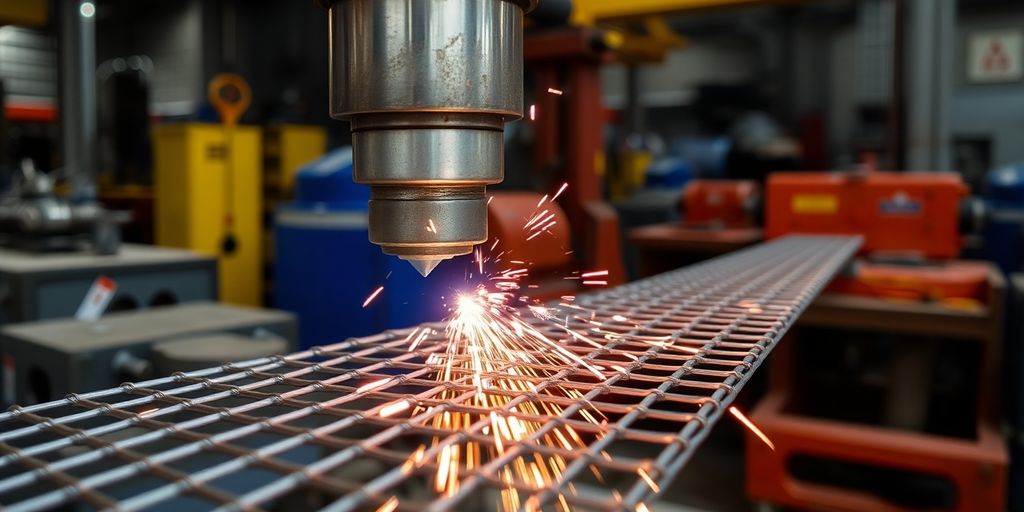
Investing in mesh welding machines is a smart move when you think about long-term savings. These machines are designed to use materials efficiently, which means less waste. Precision welding ensures that every inch of wire counts, reducing material costs significantly over time. By minimizing waste, businesses not only save money but also contribute to more sustainable practices.
Durability and Longevity of Machines
When you buy a high-quality automatic mesh welding production line, you’re not just getting a machine; you’re investing in a durable piece of equipment that stands the test of time. These machines are built to last, requiring less frequent replacements and lower maintenance costs. Over the years, this durability translates into substantial savings, making them a cost-effective choice for any business looking to streamline operations.
Return on Investment Over Time
The initial cost of a mesh welding machine might seem high, but the return on investment is clear when you look at the big picture. Automated systems reduce labor costs, increase efficiency, and improve product quality. These factors combined mean that businesses can recoup their investment faster than expected. Plus, with the ability to scale production as demand grows, companies can explore new markets without hefty additional costs. This scalability ensures that the investment in mesh welding technology pays off in the long run.
Safety and Environmental Benefits
Enhanced Safety Features for Operators
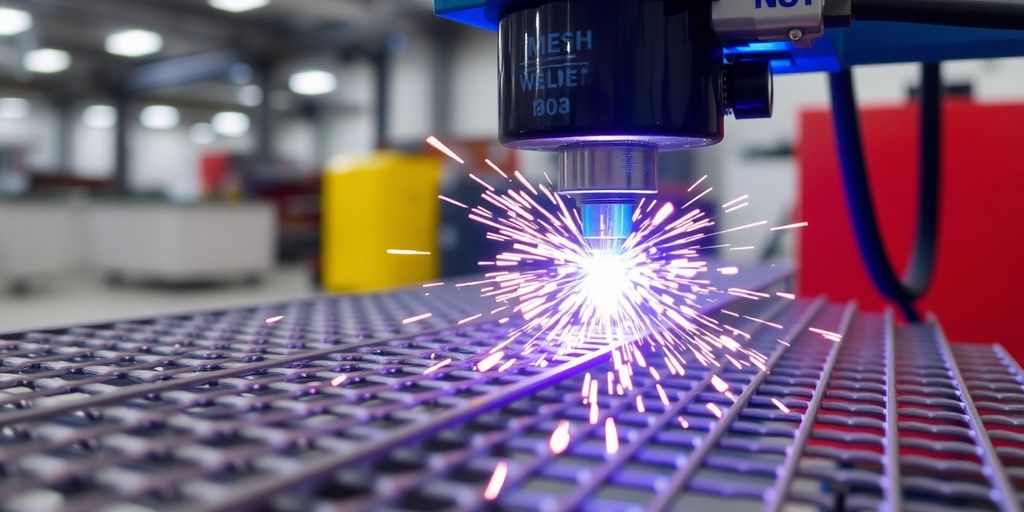
Mesh welding machines are designed with safety in mind. Automatic shutdown features are a key component, ensuring that the machinery stops immediately if something goes wrong. This protects operators from potential accidents. Moreover, these machines often include safety guards and emergency stop buttons, which further reduce the risk of injury. Another benefit is that the process is largely automated, meaning operators spend less time exposed to high temperatures and electrical currents. This automation not only makes the workplace safer but also more efficient.
Reducing Exposure to Hazards
The automation in mesh welding machines means that workers aren’t constantly exposed to the hazards associated with manual welding, like harmful fumes and intense heat. This reduction in exposure is a big win for health and safety. Workers can focus on monitoring the machines rather than being directly involved in every step of the welding process. This shift not only improves safety but also boosts productivity, as fewer interruptions occur due to safety incidents.
Sustainable Production Practices
Mesh welding machines contribute to more sustainable production practices. By optimizing material usage and minimizing waste, these machines support environmentally friendly manufacturing. They also help in reducing energy consumption, as automated systems typically require less energy than manual processes. This not only benefits the environment but can also lead to cost savings for manufacturers. As industries move towards greener practices, investing in these machines aligns with broader sustainability goals, making them an attractive option for businesses looking to improve their environmental footprint.
Scalability and Growth Opportunities
Scaling Production with Minimal Costs
Investing in a mesh welding machine is like hitting the jackpot for businesses looking to scale up production without breaking the bank. As demand grows, these machines can handle larger production volumes without needing much extra investment. This means more output with minimal cost increases.
- Adjustable Production: You can tweak machine settings to ramp up production without needing more workers or new equipment.
- Flexible Output: The machines can be adjusted to produce different mesh sizes and types, allowing for quick adaptation to market needs.
- Efficient Scaling: Businesses can easily increase their output to meet rising demand without a significant rise in operational costs.
Exploring New Markets and Industries
With the versatility of mesh welding machines, businesses aren’t just stuck in one lane. They can explore new markets and industries, making it a breeze to dive into different sectors.
- Diverse Applications: From fencing to flooring, the ability to produce various mesh types opens doors to multiple industries.
- Market Expansion: The flexibility in production allows businesses to tap into new markets, driving growth and profitability.
- Custom Solutions: Tailoring mesh products to specific industry needs can attract a broader customer base.
Adapting to Increasing Demand
As market demands shift, mesh welding machines offer the agility needed to keep up. Companies can adapt quickly to changes without a hitch.
- Rapid Response: Machines can be quickly adjusted to meet sudden increases in demand, ensuring businesses stay competitive.
- Consistent Quality: Even with increased production, the quality remains consistent, keeping customers satisfied.
- Strategic Growth: By efficiently managing production increases, businesses can strategically grow and maintain their market position.
Investing in mesh welding technology not only boosts production capabilities but also opens up new avenues for growth, ensuring businesses remain competitive in an ever-evolving market. Innovations in mesh welding technology for 2024 are paving the way for more efficient, eco-friendly, and versatile manufacturing processes.
Conclusion
So, there you have it. Mesh welding machines aren’t just fancy gadgets; they’re game-changers for businesses looking to cut down on labor costs. By automating the welding process, these machines not only save money but also free up workers to focus on other important tasks. Plus, with fewer people needed to operate them, companies can boost production without breaking the bank. And let’s not forget the reduced training time—no need to spend ages teaching new hires the ropes. All in all, investing in a mesh welding machine is a smart move for any business aiming to improve efficiency and stay competitive. It’s like having a secret weapon in your production arsenal.
Frequently Asked Questions
How do mesh welding machines work?
Mesh welding machines use heat and pressure to join metal wires at their crossing points, creating a strong mesh. They automate this process, making it faster and more precise than doing it by hand.
What are the benefits of using mesh welding machines?
These machines help save money on labor, make stronger and more reliable products, and can work faster than people. They also reduce mistakes and waste, which saves on materials.
Can mesh welding machines be used for different types of projects?
Yes, they can make different sizes and types of mesh for many uses, like fences, building supports, and cages. This flexibility allows businesses to serve various markets.
How do mesh welding machines improve safety?
They have safety features like automatic shut-off and guards, which protect workers from hazards like high heat and electrical currents. With less manual work, there’s also less risk of accidents.
Are mesh welding machines expensive to maintain?
While they might cost a lot upfront, they are built to last and require less frequent repairs. Over time, the savings on labor and materials can make them a good investment.
How do mesh welding machines help with labor costs?
By automating the welding process, these machines need fewer workers to operate, which lowers labor costs. They also make it easier to train new operators, saving time and money.


