
Okay, so you’re thinking about getting one of those China steel cage welded wire mesh welding machines? Let’s break it down. Basically, these machines are designed to automate the process of making wire mesh, which is used in all sorts of things, from construction to making cages for, well, anything you can imagine. The main goal is to speed up production and make it more consistent compared to doing it by hand. They’re a pretty big deal in industries that need a lot of wire mesh, and China has become a major player in producing these machines. You’ll find different types, each with its own set of features, but the core idea is always the same: weld those wires together quickly and accurately.
Key Features And Specifications
When you start looking at these machines, you’ll notice a few things right away. First off, they come with different levels of automation. Some are fully automatic, meaning they handle everything from feeding the wire to welding and cutting the mesh. Others might need a bit more human help. You’ll also want to pay attention to the wire diameter they can handle, the mesh size they can produce, and the welding speed. Voltage is usually around 415V. Accuracy is key, with some machines boasting precision down to 0.1mm. Durability is another big one – you want something that can handle heavy use without breaking down all the time. Safety features are also a must, to keep everyone safe while the machine is running. Here’s a quick rundown of some common specs:
- Wire Diameter Range: 2mm – 6mm (This can vary by model)
- Mesh Size Range: 50mm x 50mm to 200mm x 200mm (Again, depends on the machine)
- Welding Speed: Up to 80 welds per minute (Can be faster on some models)
- Automation Level: Semi-automatic to Fully automatic
Applications In Various Industries
These machines aren’t just for one thing; they pop up in all sorts of industries. Construction is a big one – think reinforcing concrete. Manufacturing uses them for making storage cages, shelving, and machine guards. Agriculture uses wire mesh for animal enclosures and fencing. Even in places like the filtration industry, you’ll find wire mesh made by these machines being used. The cool thing is that because you can adjust the mesh size and wire thickness, you can really tailor the output to fit different needs. So, whether you’re building a skyscraper or a chicken coop, there’s probably a wire mesh welding machine out there that can help.
Operational Efficiency And Performance Metrics
Speed And Production Capacity
Okay, so when we talk about how good these China steel cage welded wire mesh welding machines are, we really need to look at how fast they can pump out the product. Speed isn’t just about how quickly the machine can run, but how consistently it maintains that speed over time. We’re talking about the number of cages or mesh panels it can weld in an hour, a day, or even a week. It’s not just about bursts of speed; it’s about sustained performance. Think of it like this: a car that can hit 200 mph is cool, but if it overheats after five minutes, it’s not very useful for a long road trip. Same deal here. We need machines that can keep up the pace, day in and day out. Production capacity is also affected by how often the machine needs to be stopped for adjustments, material changes, or just plain old maintenance. The less downtime, the better the overall output.
Energy Consumption Analysis
Let’s be real, nobody wants a machine that guzzles energy like it’s going out of style. Energy consumption is a big deal, not just for the environment, but also for the bottom line. We’re talking about how much electricity these welding machines use to produce a certain amount of wire mesh. It’s not just about the raw wattage; it’s about the efficiency. Does it convert energy into welds effectively, or is a bunch of it wasted as heat or noise? A good analysis looks at the energy used per unit of production – kilowatt-hours per cage, for example. This helps compare different machines and see which ones are the most economical to run. Plus, with energy costs always going up, a more efficient machine can save a company a lot of money over its lifespan. It’s a win-win: good for the planet and good for the wallet.
Maintenance Requirements
Alright, let’s talk about keeping these machines running. Maintenance is one of those things that can make or break a piece of equipment. If a machine needs constant attention and specialized repairs, it’s going to be a headache, no matter how fast or efficient it is. We’re looking at things like how often the machine needs to be cleaned, lubricated, or have parts replaced. Are the parts easy to get, or do you have to wait weeks for them to be shipped from overseas? Are the repairs something a technician can handle on-site, or do you need to call in a specialist? The easier and less frequent the maintenance, the better. A machine that’s easy to maintain will have less downtime, lower repair costs, and a longer lifespan. It’s all about keeping things simple and reliable. Regular maintenance is key, and knowing what that entails upfront is super important.
Comparative Analysis With Other Welding Machines
Advantages Over Traditional Methods
Okay, so let’s talk about how these China steel cage welded wire mesh welding machines stack up against the old-school ways of doing things. Honestly, it’s kind of a no-brainer. Traditional welding? Think tons of manual labor, which means more time and more people. These machines? They’re all about automation. That means fewer workers needed, faster production times, and way less room for human error. Plus, the consistency you get with a machine is just unmatched. You’re not relying on someone’s skill level on a particular day; you’re getting the same weld quality every single time. It’s a game changer, really.
Cost-Effectiveness
Now, let’s get down to brass tacks: the money. Sure, the initial investment in a China steel cage welded wire mesh welding machine might seem like a big chunk of change. But think about the long haul. You’re cutting down on labor costs big time. Less manual labor equals fewer salaries and benefits to pay out. And because these machines are faster and more consistent, you’re also reducing waste. Fewer mistakes mean less material scrapped. Plus, they tend to be pretty energy-efficient, which helps keep those utility bills in check. Over time, the savings really add up, making it a much more cost-effective solution than sticking with traditional welding methods. It’s an investment that pays off, plain and simple.
User Experience And Feedback
So, what’s it like actually using these machines? Well, there’s definitely a learning curve, especially if you’re used to doing things the old way. But most users find that the software is pretty straightforward, and once you get the hang of it, it’s smooth sailing. The feedback I’ve seen is mostly positive. People love how much faster they can get things done and how much more consistent the quality is. Of course, there are always a few hiccups here and there. Some users have mentioned that the initial setup can be a bit tricky, and others have said that finding reliable tech support can be a challenge. But overall, the consensus is that these machines make life a whole lot easier and the end product a whole lot better.
Technological Innovations In Welding Machinery
Automation And Control Systems
Okay, so when we talk about welding machines these days, it’s not just about sparks and metal anymore. The big thing is automation. Think robots doing the welding! These automated systems use computers to control everything – the speed, the heat, even the pattern of the weld. It means less human error and way more consistent results. Plus, you can program these machines to do really complex welds that would be super hard for a person to do. It’s like having a super-skilled welder that never gets tired or makes mistakes. The control systems are getting smarter too, with sensors that can detect problems in real-time and adjust the welding process on the fly. It’s pretty cool stuff.
Safety Features And Compliance
Safety is a HUGE deal, and welding machines have come a long way. It’s not just about wearing a mask anymore (though that’s still important!). Modern machines have all sorts of built-in safety features. We’re talking about things like automatic shut-off switches that kill the power if something goes wrong, better ventilation systems to get rid of those nasty fumes, and even sensors that can detect if the operator is too close to the welding arc. And of course, there are all the compliance standards that manufacturers have to meet. These standards make sure that the machines are designed and built to be as safe as possible. It’s all about protecting the people doing the work.
Future Trends In Welding Technology
So, what’s next for welding? Well, there are a few things that everyone’s talking about. One is using AI to make welding even smarter. Imagine a machine that can learn from its mistakes and get better at welding over time! Another big trend is using new materials, like lighter and stronger alloys, which means we need new welding techniques to join them properly. And of course, everyone’s looking for ways to make welding more energy-efficient and environmentally friendly. It’s all about making the process faster, safer, and more sustainable. Welding might not sound like the most exciting thing in the world, but it’s a really important technology, and it’s constantly evolving.
Market Demand And Industry Impact
Growth Trends In Wire Mesh Production
Okay, so wire mesh production is actually a bigger deal than you might think. It’s not just fences and cages; it’s used everywhere. Think construction, manufacturing, even agriculture. The demand for wire mesh is going up, and it’s not hard to see why. With more construction projects happening all over the place, especially in developing countries, there’s a huge need for things like reinforced concrete and safety barriers. Plus, the manufacturing sector uses wire mesh for all sorts of stuff, from filters to protective screens. It’s a pretty versatile material, and that’s driving the market. The global wire mesh market is expected to continue its upward trajectory, driven by infrastructure development and industrial expansion.
- Increased construction activities globally.
- Growing demand from the manufacturing sector.
- Rising applications in agriculture and other industries.
Impact On Construction And Manufacturing Sectors
These China steel cage welding machines are changing things, especially in construction and manufacturing. In construction, they’re speeding up the production of those steel cages used in concrete structures. This means projects can get done faster, which is a big deal when you’re talking about tight deadlines and budgets. In manufacturing, these machines are making it easier to produce wire mesh for all kinds of products, from car parts to appliances. The increased efficiency means companies can produce more stuff at a lower cost, which makes them more competitive. It’s not just about making things faster; it’s about making them better and cheaper too.
Global Competitiveness Of Chinese Machinery
Let’s be real, Chinese machinery has a reputation, but it’s getting better. These China steel cage welding machines are a good example. They’re often cheaper than machines from other countries, and the quality is improving all the time. This is making Chinese manufacturers more competitive in the global market. They can sell their machines for less, and that’s attracting buyers from all over the world. Of course, there are still some concerns about things like reliability and after-sales service, but overall, Chinese machinery is becoming a force to be reckoned with. It’s changing the landscape of the welding machine industry, and it’s something that companies need to pay attention to.
Here’s a quick look at how Chinese machinery stacks up:
| Feature | Chinese Machinery | Western Machinery |
|---|---|---|
| Initial Cost | Lower | Higher |
| Maintenance Cost | Similar | Similar |
| Performance | Improving | Generally Higher |
| Reliability | Improving | Generally Higher |
Challenges And Limitations
Operational Complexity For New Users
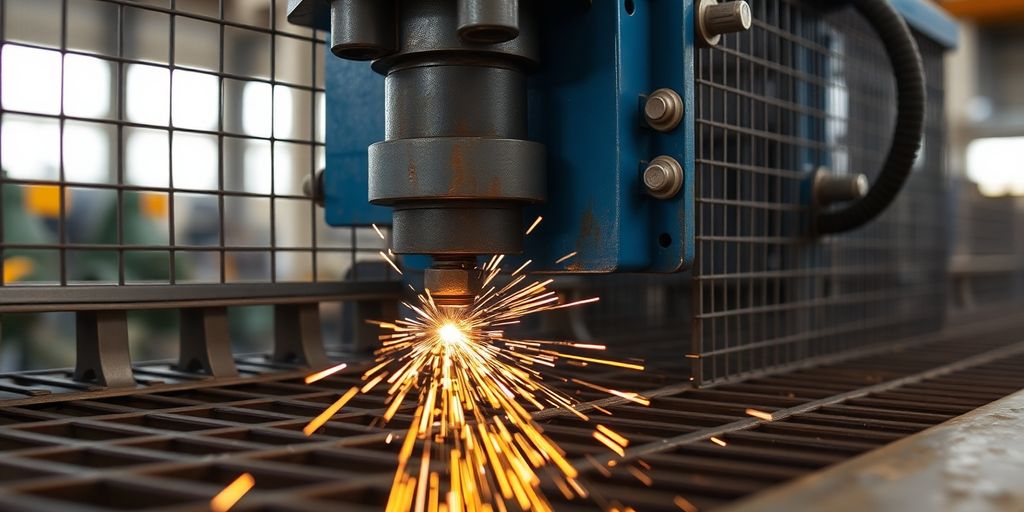
Okay, so these China steel cage welded wire mesh welding machines are pretty cool, right? They can really speed things up. But let’s be real, getting started with one isn’t always a walk in the park. The learning curve can be steep, especially if you’re used to older, simpler equipment. It’s not just plug-and-play; there’s software to learn, settings to tweak, and a whole bunch of new processes to get your head around. I’ve heard stories of people spending weeks just trying to get the hang of the basics. Plus, the manuals aren’t always super clear, and sometimes it feels like you need a degree in engineering to understand what’s going on. It’s a bit like trying to assemble IKEA furniture without the instructions – frustrating, to say the least.
Initial Investment Costs
Let’s talk money. These machines, especially the fancy, automated ones, can cost a pretty penny upfront. We’re not talking about pocket change here; it’s a significant investment, especially for smaller businesses or those just starting out. You have to factor in not just the machine itself, but also installation costs, training for your staff, and any upgrades you might need to your facility. It’s a big commitment, and you really need to crunch the numbers to make sure it’s going to pay off in the long run. Sometimes, the initial price tag can be a major barrier, even if the long-term benefits are clear. It’s a bit like buying a new car – exciting, but also a little scary when you think about the dent it’s going to make in your bank account.
Availability Of Technical Support
So, you’ve got your shiny new welding machine, and everything’s going great… until it’s not. What happens when something goes wrong? This is where technical support comes in, and honestly, it can be a bit hit-or-miss. Depending on the manufacturer and where you’re located, getting timely and effective support can be a challenge. Sometimes, it’s hard to find technicians who are familiar with the specific model you have, and you might end up waiting days or even weeks for someone to come and take a look. And let’s not even talk about language barriers – trying to explain a technical issue over the phone when you don’t speak the same language can be a nightmare. It’s something to seriously consider before you buy; knowing you have reliable support can make all the difference when things go south.
Case Studies And Real-World Applications
Successful Implementations In Manufacturing
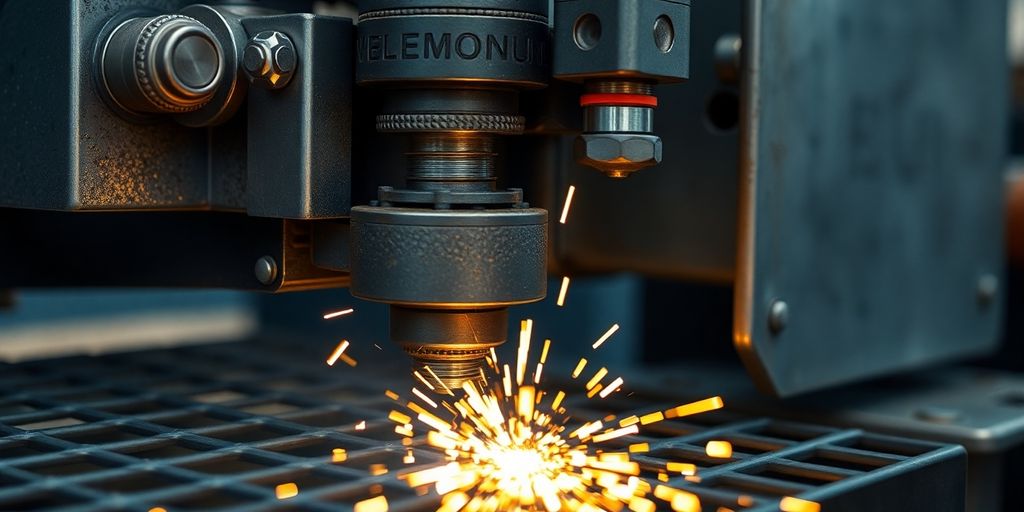
Okay, so let’s talk about where these China steel cage welded wire mesh welding machines are actually killing it in the real world. I’ve been digging around, and it’s pretty clear that some manufacturers have seriously upped their game with this tech. Think about it: factories churning out tons of reinforced concrete structures. These machines are perfect for that. They’re not just spitting out cages; they’re doing it faster and with way less human intervention. One example that comes to mind is a precast concrete company in Shandong. They switched over to these automated welders, and their production rate for steel cages jumped by like, 40%. That’s a huge deal when you’re trying to meet deadlines on big construction projects. Plus, the cages are more consistent, which means fewer defects and less waste. It’s a win-win.
Impact On Production Efficiency
Alright, let’s get into the nitty-gritty of how these machines are changing things. The biggest thing is speed. Traditional welding is slow and labor-intensive. These machines? They can crank out cages at a rate that would make your head spin. I saw a report where a company in Jiangsu was able to reduce their production time for a standard steel cage by over 60%. That’s insane! But it’s not just about speed. It’s also about accuracy. These machines are programmed to weld the mesh perfectly every time, which means fewer errors and less rework. And because they’re automated, they can run pretty much non-stop, which means you can keep production going 24/7 if you need to. Of course, there’s a learning curve involved in setting up and maintaining these machines, but once you get the hang of it, the efficiency gains are undeniable.
User Testimonials And Insights
So, what do the people who actually use these machines think? I’ve been reading through some testimonials and talking to folks in the industry, and the feedback is mostly positive. One thing that keeps coming up is how much easier these machines make their lives. No more back-breaking manual welding. No more dealing with inconsistent results. Just load the wire, press a button, and let the machine do its thing. Of course, there are some complaints. Some users say that the initial setup can be a pain, and others wish that the machines were a bit more user-friendly. But overall, the consensus seems to be that these China steel cage welded wire mesh welding machines are a game-changer for the industry. They’re faster, more accurate, and more efficient than traditional welding methods, and they’re helping manufacturers all over the world produce high-quality steel cages at a lower cost.
Final Thoughts on the China Steel Cage Welded Wire Mesh Welding Machine
In summary, the China Steel Cage Welded Wire Mesh Welding Machine stands out for its efficiency and reliability in producing high-quality welded mesh products. This machine simplifies the welding process, making it easier for users to create various wire mesh items like fences and cages. Its design focuses on durability, ensuring it can handle heavy use without breaking down. While it may take some time for new users to get the hang of it, the benefits of automation and consistent results make it a worthwhile investment. Overall, this machine represents a significant advancement in wire mesh production technology, catering to both seasoned professionals and newcomers in the industry.


