
So, you’re curious about multi-layer mesh welding solutions, huh? It’s a pretty fascinating area if you’re into how things stick together. This article is all about exploring different ways to weld mesh layers. We’ll take a look at the pros and cons, the challenges, and what the future might hold. Whether you’re in construction, automotive, or another industry, there’s a lot to learn about how these techniques can make things stronger and more cost-effective. Let’s dive into the world of mesh welding and see what’s what.
Key Takeaways
- Spot welding is quick but requires careful voltage control to avoid damaging delicate materials.
- TIG welding offers strong, attractive seams but can be slow and expensive.
- Plasma welding is similar to TIG but can be automated, making it suitable for cylindrical components.
- Soldering is ideal for delicate materials where seams can’t overlap, but it’s time-consuming.
- Choosing the right technique depends on material, cost, and the specific application needs.
Understanding Multi-Layer Mesh Welding Techniques
Spot Welding for Multi-Layer Mesh
Spot welding is a popular choice for multi-layer mesh because it’s fast and less harsh on materials. It uses electrical currents to heat and bond layers together. This method is great for quick turnarounds, especially when working with delicate mesh. But, there’s a catch: if the voltage is too high, you might burn through the material instead of bonding it. So, it’s crucial to train your staff well on the correct voltage settings. Spot welding might not be the prettiest, but it gets the job done efficiently when aesthetics aren’t a priority.
TIG Welding Applications
Tungsten Inert Gas (TIG) welding is another technique used for multi-layer mesh, known for its strong and clean welds. It uses a tungsten electrode to bond materials, making it ideal for thicker mesh layers. While TIG welding ensures a leak-proof seal, it’s not the fastest method and can be quite costly. This makes it less ideal for quick production needs. However, if you need a durable, visually appealing weld, TIG is the way to go.
Plasma Welding in Mesh Fabrication
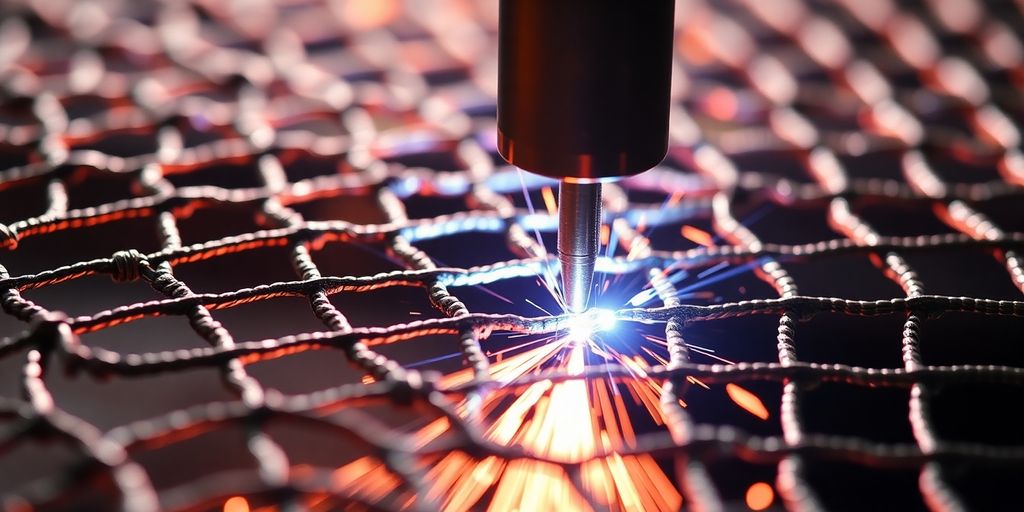
Plasma welding is similar to TIG but with a twist. It involves using a plasma arc from a tungsten electrode to create a bond. This method is often automated, reducing the chance of human error, which is great for long, cylindrical components. Plasma welding creates a smooth seam and is perfect for applications where precision is key. The downside? It’s typically used for specific shapes and requires sophisticated equipment, which can be a hurdle for some setups.
Advantages of Multi-Layer Mesh Welding Solutions
Enhanced Durability and Strength
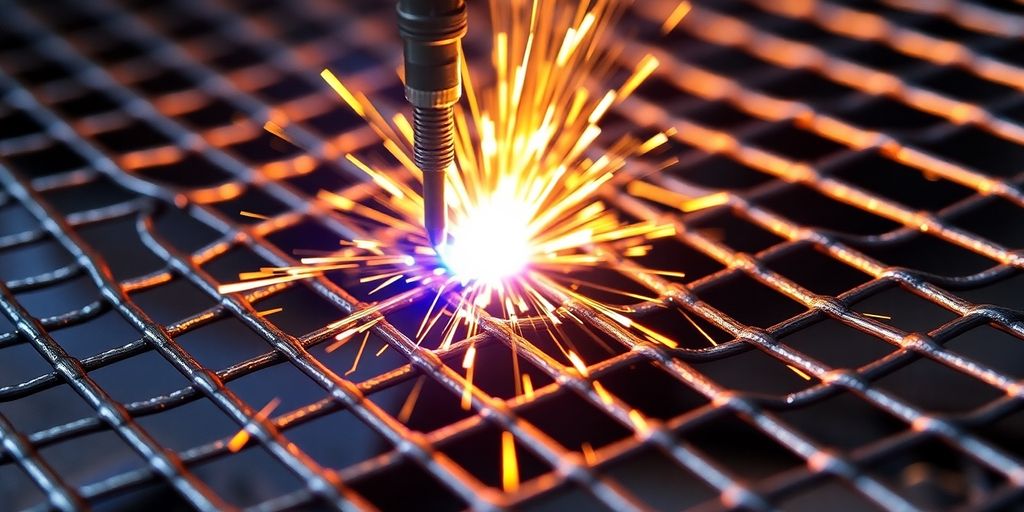
When it comes to advanced mesh welding techniques, one of the standout benefits is the increased durability and strength of the welded product. Multi-layer mesh welding creates a robust bond that can withstand significant stress and strain, making it ideal for applications that demand high performance. This strength is crucial in industries like aerospace and automotive, where safety and reliability are paramount.
Cost-Effectiveness in Production
Multi-layer mesh welding solutions offer a cost-effective approach to manufacturing. By streamlining the welding process, manufacturers can reduce labor costs and material wastage. This efficiency translates into significant savings over time, especially in large-scale production settings. Additionally, the ability to automate many welding processes further reduces costs and improves consistency in production.
Versatility Across Industries
The versatility of multi-layer mesh welding is another major advantage. These solutions are applicable across various industries, from construction to filtration systems. The ability to customize welding techniques to fit specific needs allows businesses to adapt and innovate, ensuring that the final product meets the exact requirements of the application. Whether it’s for creating intricate filtration components or robust infrastructure elements, multi-layer mesh welding provides the flexibility needed to tackle a wide range of challenges.
Multi-layer mesh welding solutions not only enhance product quality but also offer a strategic advantage in competitive markets by reducing costs and increasing product reliability.
Challenges in Multi-Layer Mesh Welding
Material Compatibility Issues
Working with different materials in multi-layer mesh welding can be tricky. Each material has its own melting point and properties, making it hard to find the right settings for a strong bond. Using the wrong settings can lead to weak joints or damage the materials. It’s crucial to understand the materials you’re working with to avoid costly mistakes.
- Different metals have different melting points.
- Some materials might not bond well with others.
- Incorrect settings can lead to weak welds.
Operator Skill Requirements
Welding multi-layer meshes isn’t just about having the right tools; it’s about having skilled operators who know what they’re doing. The complexity of the machinery and the need for precision mean that operators must be well-trained. Effective training programs are essential to ensure that operators can handle the equipment safely and efficiently.
- Operators need to understand the welding process.
- Training is crucial to minimize defects.
- Skilled operators can reduce scrap rates.
Equipment and Technology Limitations
Even with skilled operators, the equipment itself can pose challenges. Some machines might not be up to the task of welding multi-layer meshes, leading to inconsistencies in the welds. Technology is advancing, but not all companies have access to the latest equipment, which can limit their ability to produce high-quality welds.
- Older machines may not handle complex tasks well.
- New technology can be expensive.
- Equipment limitations can affect production quality.
The challenges in multi-layer mesh welding often boil down to understanding the materials, having skilled operators, and using the right equipment. Each of these elements plays a crucial role in ensuring a successful welding process.
Innovations in Multi-Layer Mesh Welding
Automation in Welding Processes
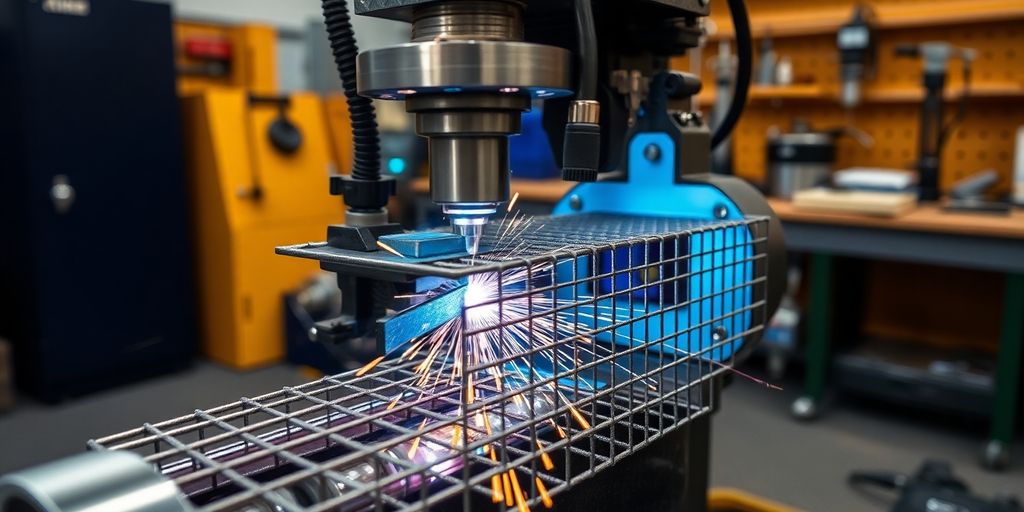
Automation is changing the game in multi-layer mesh welding. Automated systems are boosting efficiency and cutting down costs. Machines now handle repetitive tasks, reducing human error and speeding up production. This means more consistent welds and less downtime. In 2024, mesh welding technology is expected to see big changes with automated systems that make processes faster and cheaper. Robotic transport systems are also making mesh handling easier, ensuring smoother operations.
Advanced Welding Materials
The materials used in welding are evolving. High-strength coatings and new alloys are being developed to enhance durability. These materials not only withstand high temperatures but also resist corrosion better. This is crucial for industries that demand robust and long-lasting solutions. The development of special alloys like Hartz and Monel is paving the way for more resilient mesh structures.
Integration with Modern Manufacturing
Integrating welding processes with modern manufacturing techniques is another exciting development. This integration allows for more precise control and monitoring of the welding process. Advanced software systems are playing a big role here, enabling real-time adjustments and quality checks. This ensures that the final product meets the exact specifications required, reducing wastage and improving overall quality. Strategic partnerships are fostering innovation and market growth, as seen with the AMM Mesh Welding Lines, which allow for continuous production without interruptions.
Applications of Multi-Layer Mesh Welding
Filtration Systems and Components
Multi-layer mesh welding plays a significant role in the fabrication of filtration systems. These systems often require robust and leak-proof structures to ensure that no impurities pass through. TIG welding is commonly used here due to its ability to create a complete seal, which is crucial in applications like gas and liquid filtration. The welded mesh layers provide the necessary structural integrity and durability to withstand high pressures and temperatures, making them ideal for use in industries such as chemical processing and pharmaceuticals.
Automotive and Aerospace Uses
In the automotive and aerospace sectors, multi-layer mesh welding is utilized to enhance the safety and performance of various components. For instance, welded mesh is used in the construction of heat shields, exhaust systems, and even in certain structural components. These applications benefit from the strength and precision of mesh welding machines, which ensure compliance with stringent safety regulations while improving the overall quality of the welds. The integration of smart technologies in these machines further enhances their efficiency and reliability.
Construction and Infrastructure Projects
The construction industry also benefits from multi-layer mesh welding, particularly in reinforcing concrete structures and building facades. Welded mesh offers enhanced durability and strength, making it a preferred choice for projects that require long-lasting and resilient materials. Additionally, the versatility of these welding techniques allows for customization to meet specific project requirements, such as different mesh sizes and materials. This adaptability makes welded mesh an invaluable component in modern infrastructure development.
Selecting the Right Welding Technique for Multi-Layer Mesh
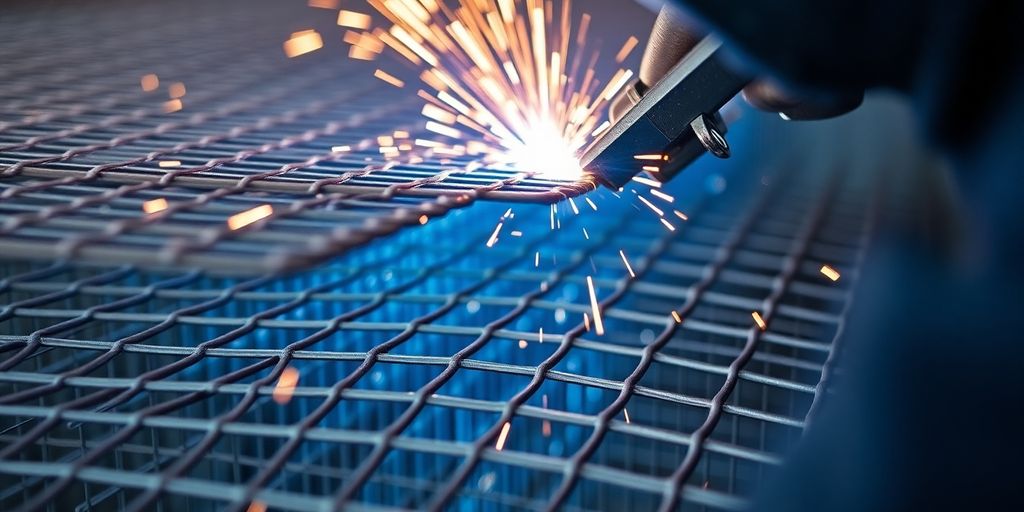
Choosing the right welding method for multi-layer mesh isn’t just about the technical specs; it’s about balancing the needs of your project with the strengths and weaknesses of each technique. Every welding method has its unique set of advantages and challenges.
Factors to Consider in Technique Selection
When selecting a welding method, you should think about:
- Material Type: Different materials react differently to heat and pressure. For instance, spot welding is great for quick jobs but might not be strong enough for thicker materials.
- Desired Strength: Consider how strong the weld needs to be. TIG welding, for example, offers a clean and strong bond, making it ideal for leak-proof applications.
- Aesthetic Requirements: If the appearance of the weld matters, TIG welding provides a neat finish, while spot welding might leave visible marks.
Comparing Welding Methods
Here’s a quick comparison of some common techniques:
| Welding Method | Speed | Strength | Aesthetic |
|---|---|---|---|
| Spot Welding | Fast | Moderate | Low |
| TIG Welding | Slow | High | High |
| Plasma Welding | Moderate | High | High |
Spot welding is often the go-to for projects needing a quick turnaround, but for applications demanding a flawless finish, TIG or plasma welding might be more suitable.
Tailoring Solutions to Specific Needs
Ultimately, the choice of welding technique should align with the specific needs of your project. If you’re working with delicate materials, spot welding might be your best bet due to its gentle approach. However, for projects requiring a seamless bond without overlaps, soldering could be the answer.
The key to successful welding lies in understanding the unique demands of your project and selecting a method that meets those needs efficiently and effectively. Balancing speed, strength, and aesthetics is crucial to achieving the desired outcome.
Future Trends in Multi-Layer Mesh Welding
Sustainability and Eco-Friendly Practices
In the welding world, sustainability is becoming a big deal. More and more companies are looking for ways to make their processes greener. This means using materials that are easier on the environment and finding ways to cut down on waste. Recycling and energy-efficient methods are getting a lot of attention, especially in industries like automotive where mesh welding plays a role in making vehicles safer and more efficient. The push for sustainability is not just about being eco-friendly; it’s also about cost savings in the long run.
Technological Advancements
Tech is always moving forward, and welding is no exception. We’re seeing some exciting advancements like laser and ultrasonic welding. These technologies make the welding process faster and more precise, which is a huge help in industries that need quick turnarounds. Automation is another big trend. Robots are starting to handle more of the welding tasks, which means less room for human error and more consistent results. With these advancements, the quality and efficiency of welded products are only going to improve.
Global Market Growth and Opportunities
The market for multi-layer mesh welding is growing, and it’s not just confined to one region. As industries like construction and automotive expand globally, the demand for advanced welding solutions is increasing. This growth opens up new opportunities for businesses to innovate and capture market share. Companies that can offer flexible and efficient welding solutions will be in a strong position to take advantage of these opportunities. It’s an exciting time for the industry, with plenty of room for growth and innovation.
As the world moves towards more sustainable practices and advanced technologies, multi-layer mesh welding is poised to play a crucial role in shaping the future of various industries. The blend of eco-friendly methods and cutting-edge tech will not only meet current demands but also pave the way for future innovations.
Conclusion
Wrapping up our exploration of multi-layer mesh welding solutions, it’s clear that each method has its own perks and pitfalls. Spot welding stands out for its speed and gentleness, making it a go-to for delicate projects. But, it can be tricky with voltage settings, and the finish might not win any beauty contests. On the other hand, TIG welding offers a sleek and strong bond, perfect for when looks and durability matter, though it might hit your wallet hard and take its sweet time. Plasma welding, similar to TIG, shines in automated settings, especially with long, tubular materials, but requires a good grasp of the tech involved. Lastly, soldering is your friend for those intricate jobs where overlap is a no-go, though it’s not the fastest or cheapest option. In the end, picking the right welding technique boils down to what your project needs most—speed, strength, looks, or precision. Each method has its place, and knowing when to use which can make all the difference in getting the job done right.
Frequently Asked Questions
What is multi-layer mesh welding?
Multi-layer mesh welding is a process where multiple layers of mesh are joined together using various welding techniques to create a strong and durable bond.
Why is spot welding used for multi-layer mesh?
Spot welding is used because it’s fast and gentle, making it great for delicate mesh. However, it’s important to use the right voltage to avoid damaging the material.
What are the benefits of TIG welding for mesh?
TIG welding provides a neat and strong bond, ideal for applications where leaks must be prevented. It’s perfect for thicker materials but can be costly and slow.
How does plasma welding differ from TIG welding?
Plasma welding is similar to TIG but often automated, reducing human error. It’s best for long, cylindrical materials and creates a smooth, appealing seam.
What challenges come with multi-layer mesh welding?
Challenges include making sure materials are compatible, needing skilled operators, and dealing with equipment limitations.
What are future trends in mesh welding?
Future trends include more eco-friendly practices, new tech advancements, and growing opportunities in the global market.


