
In today’s world, safety is a top priority, especially in industries like construction, automotive, and aerospace. Advanced mesh welding techniques play a crucial role in improving safety standards. This article explores how these techniques have evolved, their benefits, and their applications across various sectors. By understanding these advancements, we can appreciate how they contribute to safer work environments and better structures.
Key Takeaways
- Advanced mesh welding has improved over time, making it safer and more reliable.
- These welding techniques help make structures stronger and reduce accidents.
- Using modern welding methods meets safety rules and regulations.
- New technologies in welding are making the process faster and more efficient.
- Training workers in advanced welding skills is essential for better safety outcomes.
Understanding Advanced Mesh Welding Techniques
The Evolution of Mesh Welding
Mesh welding has come a long way from its early days. Initially, it was a manual process that required a lot of time and effort. Today, advanced techniques have made it faster and more efficient. Modern mesh welding uses machines that can create strong and precise welds quickly, which helps in building safer structures.
Key Components of Advanced Techniques
Several important parts make up advanced mesh welding:
- Welding Machines: These are designed to handle different types of materials and thicknesses.
- Control Systems: They ensure that the welding process is consistent and accurate.
- Safety Features: New machines come with built-in safety measures to protect workers.
Benefits Over Traditional Methods
Advanced mesh welding offers many advantages compared to older methods:
- Speed: It can produce welds much faster.
- Quality: The welds are often stronger and more reliable.
- Cost-Effective: Reduces labor costs and material waste.
Advanced mesh welding techniques not only improve the quality of the welds but also enhance the overall safety of construction projects.
The Role of Mesh Welding in Enhancing Safety Standards
Impact on Structural Integrity
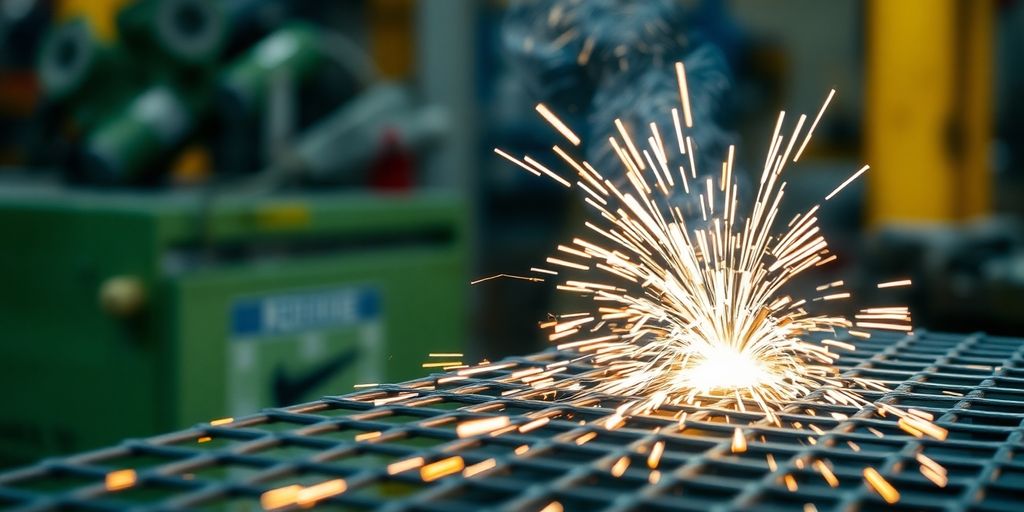
Mesh welding plays a crucial role in ensuring that structures are strong and stable. A well-welded mesh can significantly improve the overall strength of a building or product. This is important because it helps prevent failures that could lead to accidents or injuries.
Reducing Risks in Construction
Using advanced mesh welding techniques can help lower risks during construction projects. Here are some key points:
- Stronger connections: Welded meshes create stronger joints, reducing the chance of collapse.
- Less material waste: Efficient welding techniques minimize waste, making projects safer and more cost-effective.
- Faster assembly: Quick welding processes speed up construction, reducing the time workers are exposed to potential hazards.
Compliance with Safety Regulations
Many safety regulations require the use of reliable materials and methods in construction. Advanced mesh welding helps companies meet these standards by:
- Ensuring high-quality welds that pass inspections.
- Providing documentation that proves compliance with safety laws.
- Supporting the use of innovative materials that enhance safety.
Advanced mesh welding not only improves safety but also boosts confidence in the structures we build.
Innovations in Mesh Welding Technology
Automated Welding Systems
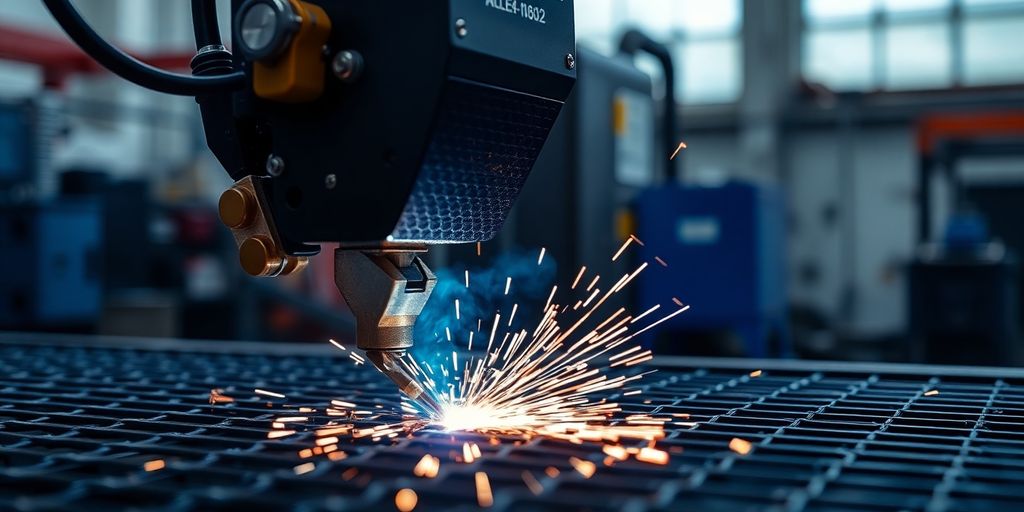
Automated welding systems are changing the way mesh welding is done. These systems use machines to perform welding tasks, which helps to make the process faster and more accurate. This technology reduces human error and increases production speed.
Integration with Smart Technologies
Smart technologies are being added to mesh welding. This includes sensors and software that monitor the welding process in real-time. Some benefits of this integration include:
- Improved quality control
- Enhanced safety measures
- Data collection for better decision-making
Sustainability and Efficiency
Sustainability is becoming more important in welding. Advanced techniques help reduce waste and energy use. Here are some ways this is achieved:
- Using less material without losing strength
- Recycling scrap metal
- Implementing energy-efficient machines
The future of mesh welding lies in combining technology with eco-friendly practices, ensuring a safer and more sustainable industry.
Applications of Advanced Mesh Welding in Various Industries
Construction and Infrastructure
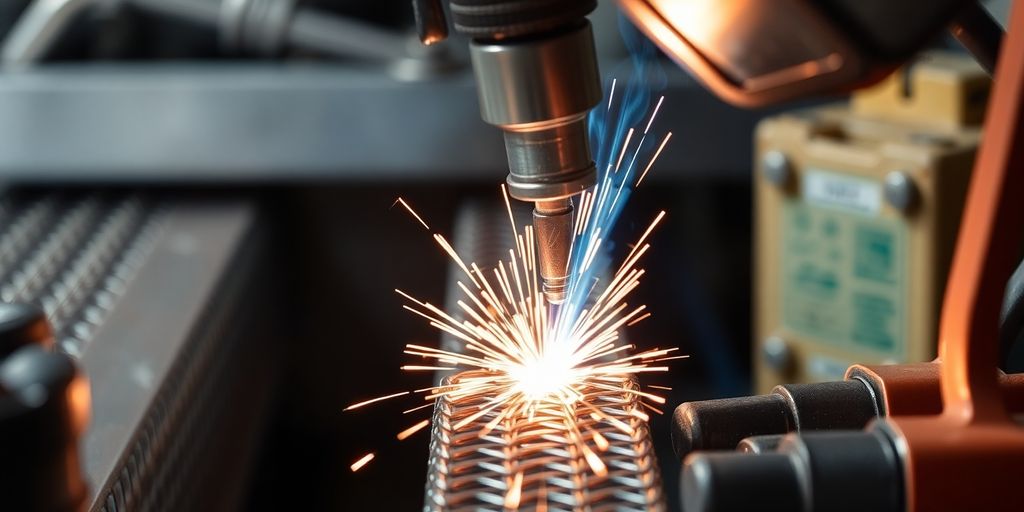
Advanced mesh welding is crucial in the construction industry. It helps create strong and durable structures. This technique ensures that buildings can withstand various forces, making them safer for everyone. Some key uses include:
- Reinforcing concrete structures
- Creating safety barriers
- Building frameworks for roads and bridges
Automotive Manufacturing
In the automotive sector, mesh welding is used to enhance vehicle safety and performance. It allows for:
- Stronger body frames
- Lightweight components that improve fuel efficiency
- Better crash resistance
Aerospace and Defense
The aerospace and defense industries rely on advanced mesh welding for high-performance applications. This includes:
- Manufacturing aircraft components that need to be lightweight yet strong
- Creating secure enclosures for sensitive equipment
- Ensuring compliance with strict safety standards
Advanced mesh welding techniques are transforming how industries approach safety and durability, leading to better products and safer environments.
Challenges and Solutions in Implementing Advanced Mesh Welding
Overcoming Technical Barriers
Implementing advanced mesh welding techniques can be tough due to various technical challenges. Some of these include:
- Compatibility Issues: New welding machines may not work well with older materials.
- Precision Requirements: Advanced techniques need high accuracy, which can be hard to achieve.
- Equipment Costs: The initial investment for new technology can be high.
Training and Skill Development
To successfully use advanced mesh welding, workers need proper training. Here are some key points:
- Hands-On Training: Workers should practice with the new equipment.
- Certification Programs: Offering certifications can help ensure skills are up to date.
- Continuous Learning: Regular workshops can keep skills sharp and relevant.
Cost Implications and ROI
While advanced mesh welding can be expensive, it often leads to better returns. Consider the following:
- Initial Costs: Higher upfront costs for new technology.
- Long-Term Savings: Reduced labor costs and fewer mistakes can save money over time.
- Increased Safety: Better safety standards can lead to fewer accidents and lower insurance costs.
Investing in advanced mesh welding is not just about spending money; it’s about ensuring safety and efficiency for the future.
Future Trends in Mesh Welding and Safety Standards
Emerging Technologies
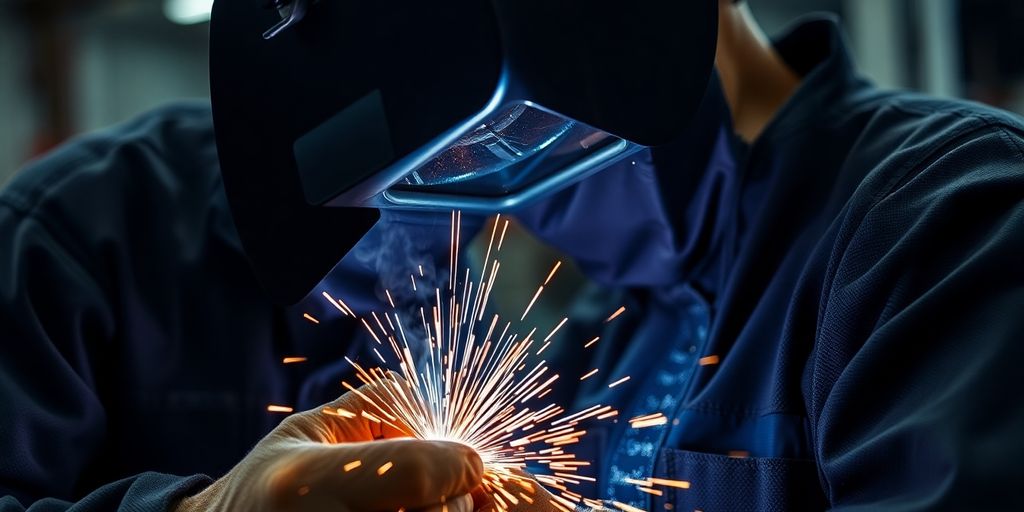
The future of mesh welding is bright, with new technologies on the horizon. Some of these include:
- Robotic welding systems that can work faster and more accurately.
- Laser welding for precise and strong joints.
- 3D printing of mesh materials for customized solutions.
Global Safety Standardization
As mesh welding techniques improve, there is a push for global safety standards. This means:
- Uniform guidelines across countries to ensure safety.
- Regular updates to standards as technology evolves.
- Collaboration between industries to share best practices.
Predictions for Industry Growth
Experts believe that the mesh welding industry will grow significantly. Key predictions include:
- A 20% increase in demand for advanced welding techniques over the next five years.
- More industries adopting mesh welding for safety and efficiency.
- Increased investment in training programs for workers.
The future of mesh welding is not just about technology; it’s also about creating safer environments for everyone.
Conclusion
In summary, using advanced mesh welding techniques can greatly improve safety standards in various industries. These methods not only make structures stronger but also help prevent accidents. As technology continues to grow, we can expect even better ways to weld mesh that will keep workers and the public safe. By focusing on these new techniques, we can build a safer future for everyone.
Frequently Asked Questions
What is mesh welding?
Mesh welding is a process where metal wires are connected together to form a strong grid or mesh. This mesh is used in many different industries for safety and support.
How has mesh welding changed over time?
Mesh welding has improved a lot over the years. New machines and techniques make it faster and stronger, which helps keep buildings and products safe.
Why is advanced mesh welding better than older methods?
Advanced mesh welding uses better technology and equipment. This means it creates stronger connections and is more efficient, which is important for safety.
What are the safety benefits of using mesh welding?
Using mesh welding helps make structures more stable and reduces the chance of accidents. It meets safety rules, which protects workers and users.
What industries use advanced mesh welding?
Many industries use advanced mesh welding, including construction, car making, and even aerospace. It helps make sure products are safe and reliable.
What challenges come with advanced mesh welding?
Some challenges include needing special training for workers and the cost of new technology. However, these challenges can be managed with good planning and investment.


