
When it comes to building with concrete, one common question is whether or not to use welded wire mesh. This material efficiently made by mesh welding machines has been a staple in construction for a long time, but some builders are now considering alternatives like fiber mesh, even they know exactly how to make wire mesh. Today, as a mesh welding machine manufacturer, we’ll explore the importance of welded wire mesh, its benefits, and when it’s truly necessary for concrete slabs.
Key Takeaways
- Welded wire mesh helps prevent cracking in concrete slabs.
- Fiber mesh can be cheaper but may lead to more repairs later.
- Proper installation of mesh is crucial for its effectiveness.
- Not all concrete projects require reinforcement; it depends on the conditions.
- Understanding local building codes can guide your choice of materials.
How Does Welded Wire Mesh Work
What is Welded Wire Mesh?
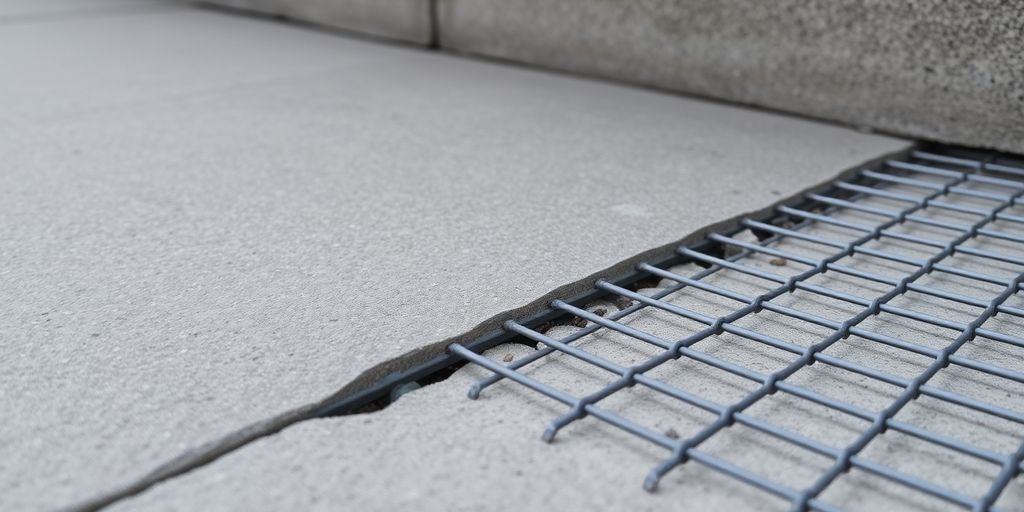
Welded wire mesh is a type of reinforcement made from steel wires that are welded together in a grid pattern. This material is commonly used in concrete slabs to help prevent cracking and improve strength. It provides a solid framework that supports the concrete as it sets and cures.
How is Welded Wire Mesh Made?
Welded Wire Mesh is produced through an automated process that involves the resistance welding of intersecting metal wires. This process creates a strong, durable mesh with uniform spacing and a rigid structure.
Welded wire mesh is created by:
- Heating steel wires at their intersections.
- Welding them together to form a grid.
- Cutting the mesh to the desired size for various applications.
This process ensures that the mesh is strong and durable, making it suitable for construction projects.
Common Uses of Welded Wire Mesh
Welded wire mesh is used in various applications, including:
- Concrete slabs for homes and buildings.
- Roadways and parking lots.
- Foundations for commercial structures.
- Security Fencing: Provides a strong and durable barrier for security purposes.
- Animal Cages and Enclosures: Used for enclosures that require a rigid and secure structure.
- Rack Shelving: Supports heavy loads in industrial storage systems.
Comparing Welded Wire Mesh and Fiber Mesh
Advantages of Welded Wire Mesh
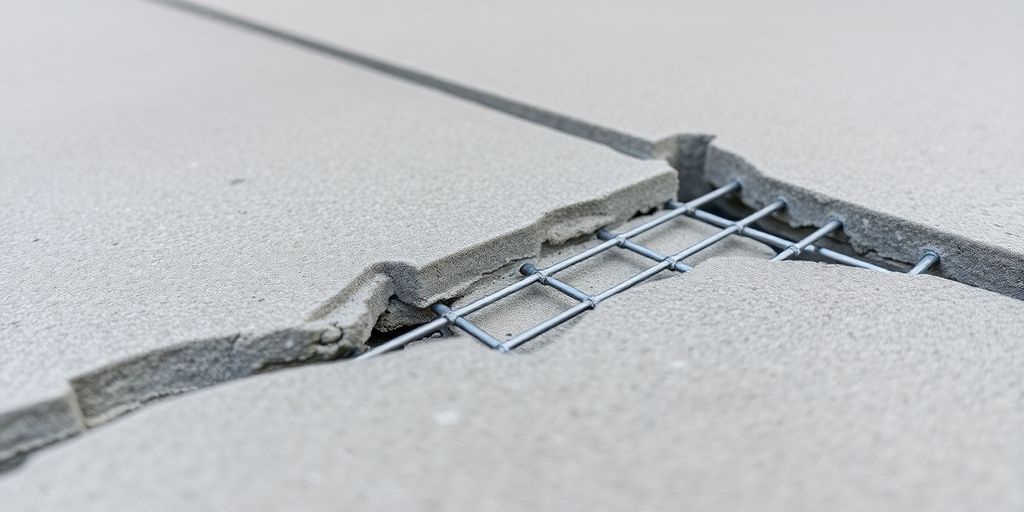
- Strength: Welded wire mesh is known for its high strength, making it ideal for heavy loads.
- Durability: It resists rust and corrosion, ensuring a long lifespan.
- Crack Prevention: This type of mesh effectively minimizes cracking in concrete slabs.
Drawbacks of Fiber Mesh
- Limited Strength: Fiber mesh may not provide enough support for heavy loads.
- Crack Management: While it reduces cracks, it doesn’t prevent them from spreading.
- Costly Repairs: Initial savings on fiber mesh can lead to higher repair costs later due to its limitations.
Cost Implications
| Feature | Welded Wire Mesh | Fiber Mesh |
|---|---|---|
| Initial Cost | Higher | Lower |
| Long-term Durability | High | Moderate |
| Repair Costs Over Time | Low | High |
Choosing the right mesh for concrete slabs is crucial. While fiber mesh may seem cheaper, the potential for future repairs can make welded wire mesh a more cost-effective choice in the long run.
When to Use Welded Wire Mesh in Concrete Slabs
Residential Projects
In residential construction, using welded wire mesh (WWM) can be very beneficial. Here are some reasons to consider it:
- Prevents cracking: WWM helps to minimize surface cracks in concrete slabs.
- Strengthens the foundation: It provides additional support, especially in areas with unstable soil.
- Long-term durability: WWM can extend the life of the concrete slab, reducing future repair costs.
Commercial Projects
For commercial buildings, the stakes are often higher, making WWM a wise choice:
- Heavy loads: Commercial structures often bear more weight, requiring stronger reinforcement.
- Regulatory compliance: Many local building codes mandate the use of WWM for commercial projects.
- Increased safety: A well-reinforced slab can prevent accidents and structural failures.
Public Infrastructure
In public infrastructure, the use of WWM is crucial due to:
- High traffic: Roads and bridges experience significant wear and tear, making strong reinforcement essential.
- Longevity: WWM helps ensure that public structures last longer, saving taxpayer money in the long run.
- Environmental factors: In areas prone to extreme weather, WWM can provide the necessary resilience.
Using welded wire mesh in concrete slabs is often a smart investment that pays off in the long run. It not only enhances the strength of the slab but also helps prevent costly repairs.
Installation Best Practices for Welded Wire Mesh
Preparing the Site
- Clear the area: Remove any debris, rocks, or vegetation from the site to ensure a clean surface.
- Level the ground: Make sure the ground is flat and stable to support the concrete slab.
- Install a vapor barrier: Lay down a plastic sheet to prevent moisture from seeping into the concrete.
Proper Placement Techniques
- Use chairs: Elevate the welded wire mesh using chairs to keep it in the correct position within the slab. This ensures it stays in the lower third of the slab depth.
- Check alignment: Make sure the mesh is flat and not twisted or bent before pouring the concrete.
- Secure the mesh: Use ties or clips to hold the mesh in place, preventing it from shifting during the pour.
Common Installation Mistakes
- Skipping the chairs: Not using chairs can lead to the mesh sinking to the bottom of the slab, reducing its effectiveness.
- Poor alignment: If the mesh is not properly aligned, it may not provide the necessary support.
- Neglecting quality checks: Always double-check the installation before pouring concrete to avoid costly repairs later.
Proper installation of welded wire mesh is crucial for minimizing cracks and ensuring the strength of the concrete slab. Taking the time to do it right can save you from future headaches.
Factors Influencing the Need for Welded Wire Mesh
Soil Conditions
- Soil type: Different soils have varying levels of stability. Clay, for example, can expand and contract, which may require additional support.
- Moisture levels: Wet soils can lead to settling, making welded wire mesh more necessary.
- Compaction: Well-compacted soil provides a stable base, reducing the need for extra reinforcement.
Load-Bearing Requirements
- Heavy loads: Areas that will support heavy machinery or vehicles need stronger reinforcement.
- Residential vs. commercial: Commercial projects often have stricter load requirements than residential ones.
- Future use: Consider what the space will be used for in the future; heavier loads may be expected.
Local Building Codes
- Regulations: Some areas have specific codes that require welded wire mesh for certain types of construction.
- Safety standards: Compliance with safety standards is crucial for public buildings and infrastructure.
- Inspection requirements: Local authorities may require inspections that include checking for proper reinforcement.
Understanding these factors can help ensure that your concrete slab is strong and durable, preventing costly repairs in the future.
Alternatives to Welded Wire Mesh
When it comes to reinforcing concrete slabs, there are several alternatives to welded wire mesh that builders can consider. Each option has its own benefits and drawbacks.
Rebar
- Rebar is a common choice for concrete reinforcement. It is made of steel and provides excellent tensile strength.
- It is often used in larger projects where heavy loads are expected.
- Rebar can be placed in various configurations to meet specific structural needs.
Synthetic Fiber Mesh
- Synthetic fiber mesh is made from plastic fibers and is designed to reduce cracking in concrete.
- It is lightweight and easy to install, making it a popular choice for smaller projects.
- However, it may not provide the same level of strength as welded wire mesh or rebar.
Hybrid Reinforcement Solutions
- Hybrid solutions combine different materials, such as rebar and fiber mesh, to take advantage of the strengths of each.
- This approach can offer better performance in certain conditions, such as areas with unstable soil.
- It allows for flexibility in design and can be tailored to specific project requirements.
Choosing the right reinforcement method is crucial for the durability and safety of concrete structures. Each option has its own unique advantages, so it’s important to consider the specific needs of your project.
Case Studies: Success and Failures with Welded Wire Mesh
Successful Applications
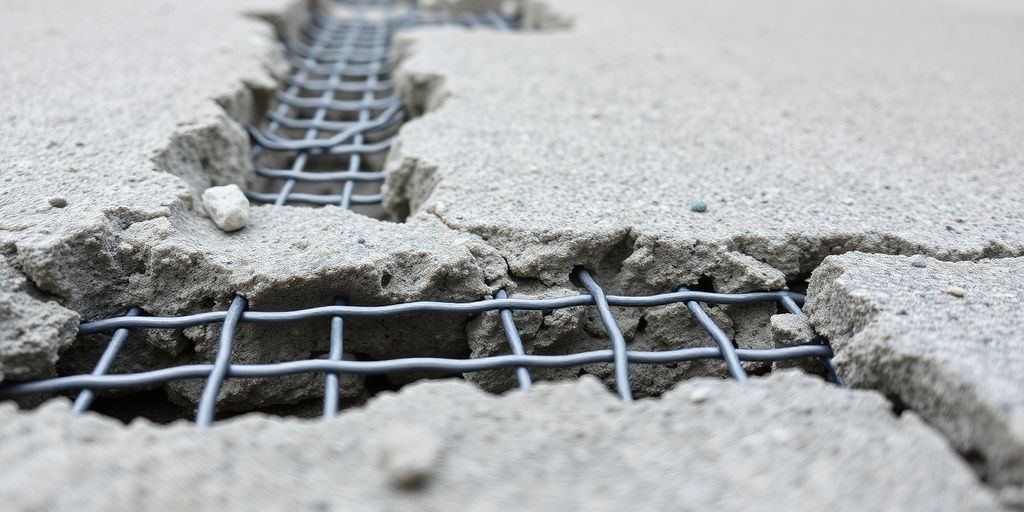
- Welded wire mesh (WWM) has proven effective in minimizing cracks in concrete slabs, especially in residential projects.
- In commercial buildings, WWM has helped maintain structural integrity, reducing the need for costly repairs.
- Public infrastructure projects, like bridges, have benefited from the durability of WWM, ensuring long-lasting performance.
Common Failures
- Improper Installation: Many failures stem from not placing the mesh at the correct height, leading to ineffective reinforcement.
- Material Quality: Using low-quality mesh can result in rust and corrosion, compromising the slab’s strength.
- Ignoring Soil Conditions: In areas with expansive soils, neglecting to use WWM can lead to significant settling issues.
Lessons Learned
Proper installation and quality materials are crucial for the success of welded wire mesh in concrete slabs. Without these, the benefits of WWM can be lost, leading to structural problems and increased costs.
Future Trends in Concrete Reinforcement
Innovations in Material Science
The world of concrete reinforcement is changing fast. New materials are being developed to make concrete stronger and more durable. These innovations can lead to longer-lasting structures. Some examples include:
- High-performance concrete: This type of concrete can withstand more stress and is less likely to crack.
- Self-healing concrete: This amazing material can repair its own cracks, which can save time and money.
- Recycled materials: Using recycled materials in concrete can help the environment and reduce waste.
Sustainability Considerations
As we become more aware of environmental issues, the construction industry is focusing on sustainability. This means using materials and methods that are better for the planet. Some trends include:
- Eco-friendly materials: More builders are using materials that have a lower impact on the environment.
- Energy-efficient designs: Structures are being designed to use less energy, which is good for both the environment and the wallet.
- Waste reduction: Efforts are being made to minimize waste during construction.
Market Adoption
The adoption of new technologies and materials in concrete reinforcement is growing. Builders and contractors are starting to see the benefits of these advancements. Some key points include:
- Increased demand for training: As new materials are introduced, workers need training to use them effectively.
- Cost considerations: While some new materials may cost more upfront, they can save money in the long run by reducing repairs.
- Regulatory changes: New building codes may encourage the use of advanced materials for safety and durability.
The future of concrete reinforcement looks promising, with innovations that can improve strength, sustainability, and efficiency.
Final Thoughts on Welded Wire Mesh for Concrete Slabs
In conclusion, whether or not to use welded wire mesh in concrete slabs depends on various factors. If your local building rules require it, then it’s a smart choice. For smaller projects like pathways or sheds, you might not need it, but consider the ground beneath. Softer soil may need extra support. Always think about the purpose of your concrete and the conditions it will face. If you’re unsure, don’t hesitate to ask experts for help. They can guide you in making the best decision for your project.


