
Customization is key to PU sandwich panels. Because different projects need different types of sandwich panels. But how? The key is to find a reliable pu sandwich panels production line. If you are in the industry of producing pu sandwich panels, then finding a bunch of sandwich panel machines is helpful to save your manual labor and time, and not to mention that you can fully customize your future pu sandwich panels.
These panels are popular for their insulation properties and structural integrity, but what really sets them apart is the ability to tailor them to specific needs. Whether you’re looking for different lengths, thicknesses, or materials, there’s a lot you can modify to make these panels work for your project. Let’s dive into the various customization options available for PU sandwich panels.
Key Takeaways
- Customization allows for specific lengths and thicknesses to meet project requirements.
- Different core and surface materials can enhance insulation and durability.
- Color and shape variations add design flexibility for unique architectural needs.
- Performance can be improved with options for fire resistance and thermal insulation.
- Quality control is essential to ensure customized panels meet industry standards.
Key Customization Features of PU Sandwich Panels
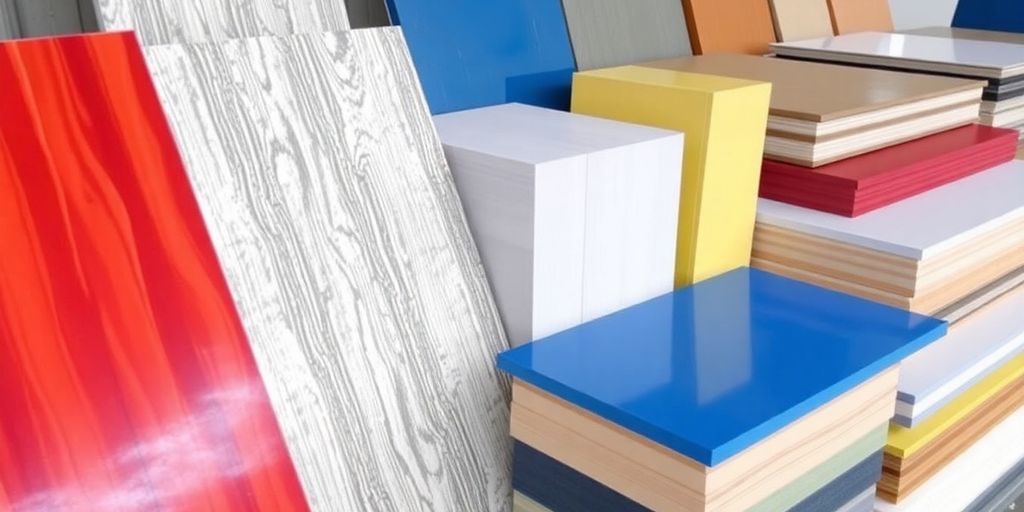
This section explains how you can tailor PU sandwich panels to fit exact project needs. Proper configuration of panel dimensions can notably boost a project’s overall efficiency and cost performance.
Length Customization
When working on a construction project, matching the panel lengths to the site requirements is a big plus. Custom lengths allow you to handle irregular spaces or unusual building designs without having to modify the entire plan. Many manufacturers even offer the possibility to adjust lengths on the fly, using advanced PU machinery setups which are built to handle custom orders.
Some highlights of length customization:
- Panels can be produced in various lengths to match specific project dimensions.
- Custom ordering makes it easier to fit non-standard layouts.
- Flexible production methods help reduce waste and on-site adjustments.
Thickness Customization
Adjusting the thickness of PU sandwich panels is another way to fine-tune a building’s properties. A thicker panel can provide improved insulation and better fire resistance, while a thinner option might be all you need for less demanding areas. Comparing different thickness settings can be useful when balancing performance against material requirements. Check out notes on thermal insulation benefits for ideas on choosing the right thickness.
A quick glance at thickness options:
| Thickness | Insulation Performance | Structural Suitability |
|---|---|---|
| 40mm | Good | Moderate |
| 60mm | Very Good | High |
| 80mm | Excellent | Very High |
Outer Sheet Customization
The outer sheet of the panel is where function meets style. Customizing this layer allows builders to pick finishes that not only protect the core material but also match the building’s exterior. Options can include different metals, coatings, or even textured finishes. This customization ensures the panels meet specific demands like weather resistance and aesthetics. Adjustments here help balance long-term durability with visual appeal, adapting each batch to the project’s unique context.
Customization, when done right, brings a smart mix of durability, performance, and look that can really set a project apart.
Material Options for PU Sandwich Panels
The material options available for PU Sandwich Panels allow you to choose solutions that best fit your project’s needs. The panels are built to provide solid insulation while also featuring customizable outer layers.
Core Material Types
The heart of these panels is the core and it plays a major role in overall performance. Different core materials provide unique benefits. Consider the following options:
- Polyurethane Foam: Offers excellent thermal insulation and contributes to overall energy efficiency.
- Polystyrene Foam: A cost-effective option that is usually lighter but might offer less fire resistance.
- Phenolic Foam: Known for improved fire resistance along with good insulation capabilities.
These types help in optimizing your building performance, so picking the right one is key. Choosing the correct core material can mean a big step towards efficient project performance.
Surface Material Choices
The outer layer of the sandwich panel not only protects the core but also influences the panel’s durability and look. Manufacturers offer several options. For instance, here’s a quick comparison table:
| Material Type | Durability | Appearance |
|---|---|---|
| Aluminum | High, lightweight | Modern and sleek |
| Galvanized Steel | Very durable | Industrial finish |
| Polyester Coated Steel | Good rust resistance | Versatile finishes |
When selecting the surface material, consider the following points:
- Evaluate environmental factors and weather conditions.
- Balance cost with potential longevity.
- Match the aesthetic appeal to your project’s design goals.
Also, for those focused on greener building practices, check out sustainable panels design as part of evaluating your final choice.
Insulation Properties
Insulation in these panels isn’t just about keeping temperatures steady – it directly impacts energy use and overall building comfort. High-quality insulation properties are essential if you’re aiming to cut energy bills and keep indoor spaces comfortable.
In many projects, paying attention to insulation details leads to noticeable energy savings over time.
Consider these benefits:
- Better energy efficiency for both hot and cold climates.
- Improved noise reduction, contributing to a quieter interior.
- Enhanced temperature regulation, ensuring a consistent indoor environment.
Each of these material options helps form a balanced panel that meets both performance and aesthetic expectations. Whether you’re building a commercial space or a private structure, understanding the material options is a critical step in ensuring your panels perform as expected.
Design Flexibility in PU Sandwich Panels
PU sandwich panels bring a lot of choice to the table, making them a go-to for many building projects. Whether you are working on a tight deadline or experimenting with room layouts, these panels adjust to your ideas. They even come with advanced production techniques that keep quality high while letting you experiment with different looks.
Color Customization
Being able to set the color is a game-changer. It means the panels fit right into the overall vibe of a building without extra work later on. With color options that range from basic neutrals to bolder tones, designers can easily sync the panels with any design scheme. Here are a few points on color choices:
- A broad palette for different moods
- Options that mirror natural or industrial themes
- Finish variations to add texture
Design choices transform both form and function.
Check out the flexibility in color in modern systems for more ideas.
Shape Variations
The versatility in shape allows these panels to be more than just flat surfaces. They can be curved, angled, or even patterned to suit unique design needs. This variety helps when unusual spaces or creative designs come into play. Some key aspects of shape variations include:
- Rounded edges for a softer look
- Angular cuts to create a structured feel
- Custom silhouettes tailored for specific projects
A quick table below highlights the differences:
| Aspect | Description |
|---|---|
| Rounded Shapes | Offer a fluid, modern appearance |
| Angular Designs | Contribute to a more industrial look |
| Custom Forms | Fit unique, non-standard architectural plans |
Architectural Adaptability
PU sandwich panels are built to adapt to many different design concepts. They can easily work in everything from cold storage warehouses to sleek commercial buildings. The flexible design helps users modify structure sizes, add curves, or even mix materials without compromising insulation or strength.
The adaptability in panel design means that buildings can be both stylish and functional, meeting varied project needs without extra hassle.
This adaptability makes the panels a reliable fit, whether you’re upping your design game or ensuring a robust structure. With links to ideas on modern manufacturing and robust insulation, these panels are right at the crossroads of aesthetics and performance.
Performance Enhancements Through Customization
Thermal Insulation Improvements
Customized panel designs allow for improved heat retention compared to off-the-shelf options. Manufacturers can change the core materials and layer configurations to reduce unwanted heat transfer. This customization significantly reduces energy loss. Such improvements are especially beneficial in settings that use cold storage panels, where keeping temperature steady is a must.
Key approaches include:
- Adjusting the type and density of the foam core.
- Redesigning the layout to improve gap sealing.
- Optimizing outer sheet materials to minimize thermal bridging.
A quick comparison of insulation setups:
| Configuration | R-Value | Benefit |
|---|---|---|
| Standard Panel | 3.0 | Basic insulation |
| Custom Core Layout | 4.5 | Reduced heat loss |
| Optimized Sealing | 5.0 | Top performance |
Fire Resistance Options
Focusing on fire safety during customization leads to panels that are better suited for high-risk environments. Several fire-resistant additives and coatings can be incorporated during manufacturing. Such features are vital when working with modern architecture panels, which are often used in settings where meeting strict fire codes matters.
Steps to achieve fire resistance include:
- Introducing fire retardant chemicals within the foam core.
- Applying a fire-resistant layer on the outer sheet.
- Improving joint sealing to limit fire spread.
These steps can help lower the risk of combustion and improve performance under high temperatures.
Structural Integrity Enhancements
Customized PU sandwich panels can be built with better strength and rigidity. Adjustments in the bonding process and using tougher outer layers lead to panels that reliably support heavy loads and resist damage.
Important considerations for a robust design include:
- Reinforced bonding at critical joints.
- Use of high-strength materials for both the core and outer sheets.
- Better distribution of load across the panel surface.
- Improved resistance to mechanical stress and environmental impacts.
Targeted modifications in each layer can lead to significant gains in overall panel durability, even if the process sometimes seems like a tough nut to crack.
Industry-Specific Customization Needs
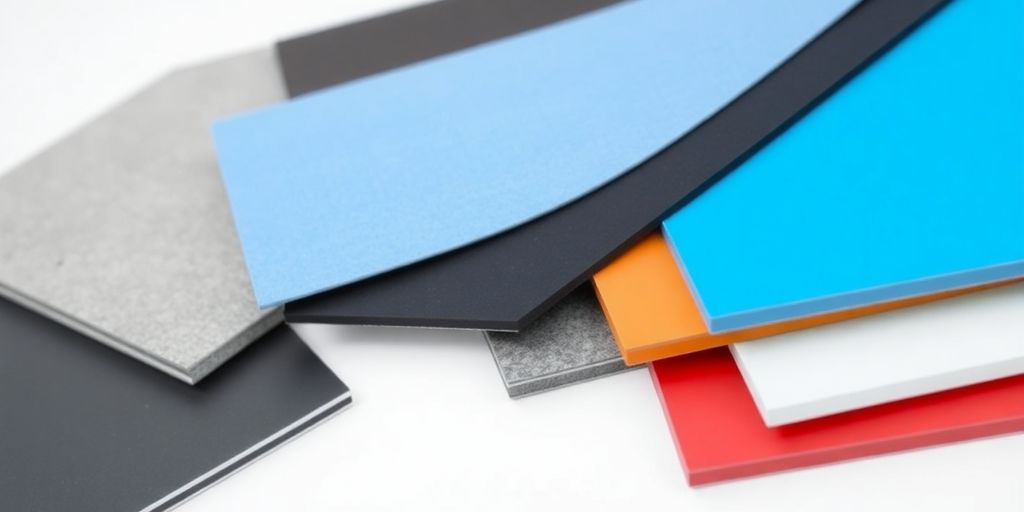
Commercial Applications
When commercial projects require a mix of design and function, customization can really make a difference. In spaces such as offices, retail stores, and public areas, PU sandwich panels are adapted not only for insulation but also for a unique aesthetic appeal. Our advanced PU panels let clients adjust dimensions and finishes to suit modern commercial needs.
- Panels can be engineered to meet specific fire resistance ratings
- Options to improve acoustics and temperature control
- Customizable exterior finishes to match brand imagery
Our tailored solutions are built to handle the busy and varied demands of commercial environments.
Industrial Applications
Industrial settings demand materials that perform reliably under harsh conditions. PU sandwich panels for these applications must be durable, safe, and capable of withstanding daily wear and tear in manufacturing plants and warehouses. Manufacturers often fine-tune panel properties based on the expected load and thermal conditions.
Below is a table summarizing key industrial specifications:
| Feature | Specification |
|---|---|
| Fire Resistance | UL-rated |
| Load Capacity | High |
| Temperature Range | -20°C to 80°C |
Additional points often considered include:
- Easy cleaning and maintenance routines
- Resistance to chemical exposure in industrial setups
- Industry compliance and safety testing
Agricultural Uses
Agricultural environments present unique challenges like fluctuations in temperature, high humidity, and structural wear. Panels customized for these settings focus on robust insulation to protect livestock sheds, storage barns, and processing facilities. They often feature extra layers or coatings to resist weather and moisture damage.
- Options to enhance thermal control and reduce energy costs
- Designs that balance ventilation needs with insulation
- Increased durability to handle farm activity
Custom panels can play a significant role in reducing energy bills and creating more comfortable environments for both people and animals in agricultural settings.
Each of these segments underscores how tailored PU sandwich panel solutions can be fine-tuned to meet specific industry challenges, ensuring functionality while keeping design considerations in mind.
Quality Control in Customization Processes
Quality control during customization is all about making the process as smooth as possible. It involves detailed checks to guarantee every panel meets specific criteria. A clear quality control system saves time and reduces problems later on.
Supplier Selection Criteria
When picking a supplier, you have to look at a few key factors. It can be helpful to check:
- Their history and experience in customizing panels
- The methods they use to check each product
- How they manage communication and feedback
These details can really influence the quality of your final product. For instance, manufacturers like advanced panel machines focus on clear, steady communication and structured checks to keep production on track.
Quality Assurance Practices
Quality assurance is a hands-on process. Most suppliers have dedicated practices such as regular reviews and reports to verify every step. You might see details like these in a small table:
| Inspection Step | Frequency | Notes |
|---|---|---|
| Visual Quality Check | Each panel | Quick look-over |
| Structural Integrity | Daily | Every batch inspected |
| Material Consistency Review | Weekly | Based on sample tests |
A system like this shows that nothing is left to chance. A good team will back up their checks with useful documentation. It reminds me of a quote:
A methodical approach in inspections cuts out surprises later and keeps everyone informed.
You can also check how companies such as high-quality production line use automations in their assurance processes.
Testing and Compliance Standards
Testing and compliance standards are the last big steps before a panel leaves the factory. Manufacturers run a series of tests to check everything from strength to fire resistance. Some common practices include:
- Running lab tests for heat resistance
- Checking material samples for consistency
- Retesting panels if any inconsistency occurs
These protocols ensure that the final product not only fits your design but also meets safety and quality standards. Regular updates and transparent records help maintain trust through the entire process.
Cost Considerations for Customized PU Sandwich Panels
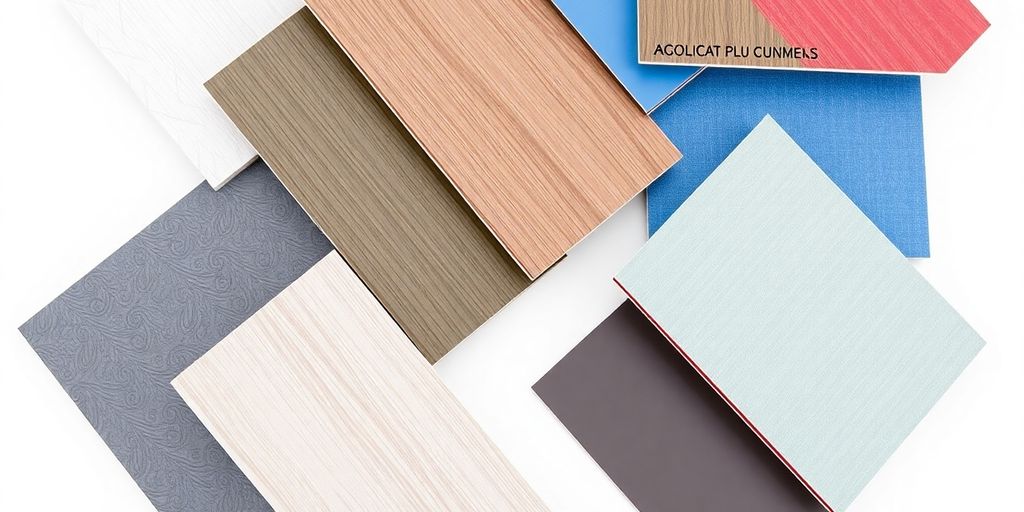
Customization can be a smart way to get exactly what you need, but it can also drive up costs if you’re not careful. In this section, we’ll look at how to manage budgeting, perform a simple cost-benefit analysis, and assess the long-term value of your custom features. Remember, affordable customization can drive long-term savings if you plan wisely.
Budgeting for Custom Features
When planning your budget, start by listing all custom options you might want. Consider options like changing the length, thickness, or outer sheet. These adjustments may affect both initial cost and eventual performance. For instance, a few tweaks to the design could increase the price but provide better insulation or durability. Here are some tips to keep your budgeting on track:
- Compare costs for each custom feature
- Ask suppliers for detailed quotes
- Factor in potential investments in machinery like the advanced panel machine
A simple table can help you compare costs:
| Custom Feature | Estimated Cost Impact | Notes |
|---|---|---|
| Length Adjustment | Moderate | Affects material use |
| Thickness Variation | High | Impacts insulation performance |
| Outer Sheet Options | Low | Aesthetic and durability |
Cost-Benefit Analysis
Once you have your budget, it’s a good idea to weigh the benefits of each feature against its cost. Think of this as an informal check. Ask yourself if the upgrade will offer better energy efficiency or lower maintenance costs in the long run. Consider these steps:
- Identify the extra cost for each feature
- Evaluate the performance benefits, such as improved insulation or fire resistance
- Compare these against potential savings over time
A cost-benefit analysis might show that spending a bit more upfront can lead to savings later, making the long-term payoff appealing. Also, technologies like the advanced panel machine often bring quantifiable benefits that justify a higher initial expense.
Long-Term Value Assessment
Assessing long-term value means looking beyond the sticker price. Ask yourself if the customized panels will remain reliable and effective over the years. Some key considerations:
- Total cost of ownership over time
- Impact on energy bills due to improved insulation
- Potential resale value or extended warranty benefits
Long-term value is often hidden in the details. Spending a little extra early on custom features can mean fewer repairs and better performance as the building ages, which is something many companies overlook.
It’s also wise to review the latest production advancements, such as those provided by the advanced panel machine, so you fully understand the trade-offs between cost and quality. This careful assessment helps ensure that the additional expenses you incur today will lead to savings and benefits years from now.
Wrapping Up Customization for PU Sandwich Panels
In summary, PU sandwich panels are pretty flexible when it comes to customization. You can tweak the length, thickness, and even the outer sheet to fit your needs. This means they can work for a variety of projects, whether you’re building a warehouse or a sleek office space. Plus, with their solid insulation and durability, they’re a smart choice for anyone looking to save on energy costs. Just remember to communicate clearly with your supplier about what you want. That way, you can avoid any hiccups and get exactly what you need for your project.
Frequently Asked Questions
What are PU sandwich panels?
PU sandwich panels are special building materials made of layers. They have a layer of hard foam in the middle and metal sheets on the outside. This design helps to keep buildings warm or cool.
Can I customize PU sandwich panels?
Yes, you can customize PU sandwich panels in many ways, like changing their length, thickness, and color to fit your needs.
What materials are used in PU sandwich panels?
The main materials are polyurethane foam for insulation and metal sheets like aluminum or steel for strength.
Are PU sandwich panels good for insulation?
Yes, they are great for insulation. The foam in the middle keeps heat from escaping, which helps save energy.
Can these panels be used in different industries?
Absolutely! PU sandwich panels are used in many areas, including commercial buildings, factories, and farms.
How do I ensure the quality of my PU sandwich panels?
To ensure quality, pick a reliable supplier, check their quality control processes, and ask for samples before buying.


