
When it comes to choosing insulation for buildings, the options can feel overwhelming. PU sandwich panels are getting a lot of attention lately, but how do they really measure up against traditional methods? This article breaks it down for you, comparing performance, cost, and more. Whether you’re building new or upgrading an older property, understanding your insulation options is key.
Key Takeaways
- PU sandwich panels offer better thermal insulation compared to traditional materials, saving energy in the long run.
- Their moisture-resistant and fire-retardant properties make them durable and safe for various environments.
- Installation is quicker and less labor-intensive with PU sandwich panels, reducing overall construction time.
- These panels contribute to structural integrity, unlike many traditional insulation methods.
- While the upfront cost may be higher, the long-term savings in energy and maintenance make PU sandwich panels cost-effective.
Understanding PU Sandwich Panels
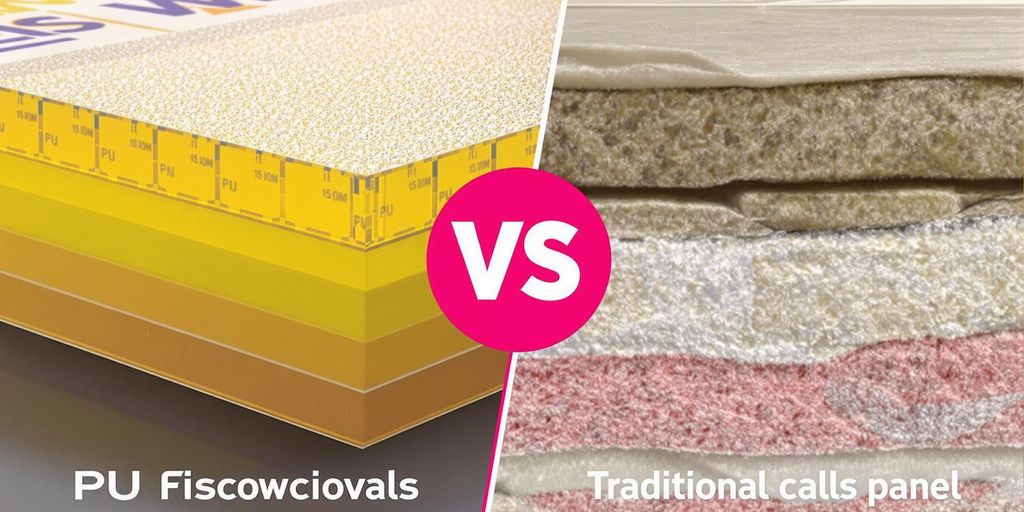
What Are PU Sandwich Panels?
PU sandwich panels, short for polyurethane sandwich panels, are made up of two outer layers—usually steel or aluminum—with a core of polyurethane foam in between. This unique structure gives them both strength and excellent thermal insulation. The foam core acts as a barrier against heat and cold, making these panels a top choice for energy-efficient buildings. They’re commonly used in cold storage, warehouses, and even residential projects.
Key Components and Construction
Here’s a breakdown of what goes into making PU sandwich panels:
- Outer Layers: Typically steel or aluminum, these layers provide strength and protection against environmental factors.
- Core Material: The polyurethane foam in the center is lightweight but offers superior insulation.
- Bonding Process: Advanced techniques are used to bond the layers together, ensuring durability and a seamless finish.
This combination creates a panel that’s not only strong but also lightweight, making it easier to transport and install.
Advantages Over Other Materials
PU sandwich panels stand out for several reasons:
- High Insulation Value: They have a better R-value per inch compared to traditional insulation materials like fiberglass.
- Moisture Resistance: Unlike materials that absorb water, these panels are naturally resistant to moisture, reducing the risk of mold.
- Structural Support: They add to a building’s strength, unlike many other insulation types.
- Ease of Installation: Their lightweight design and pre-fabricated nature make installation faster and less labor-intensive.
When you consider their combination of durability, efficiency, and ease of use, it’s clear why PU sandwich panels are becoming the go-to choice for modern construction.
Thermal Performance Comparison
R-Value Efficiency of PU Panels
When it comes to insulation, the R-value is a key measure of thermal resistance. PU sandwich panels excel in this area, offering a higher R-value per inch compared to most traditional insulation materials. This means you can achieve the same level of insulation with thinner panels, saving space without compromising energy efficiency. For instance:
| Material | R-Value per Inch |
|---|---|
| PU Sandwich Panels | 6.8 |
| Fiberglass Insulation | 3.7 |
| Mineral Wool | 3.3 |
Thermal Bridging in Traditional Methods
Traditional insulation methods, like fiberglass or foam boards, often leave gaps or seams where materials meet. These gaps create thermal bridges, areas where heat can escape more easily. PU sandwich panels, with their continuous insulating core, eliminate this issue entirely, providing uniform thermal performance across the structure.
- Traditional methods may require additional sealing to minimize thermal bridging.
- PU panels are prefabricated to ensure tight, gap-free installation.
- Over time, traditional materials can settle, exacerbating thermal inefficiencies.
Impact on Energy Consumption
By reducing heat loss and maintaining consistent indoor temperatures, PU sandwich panels can significantly cut down on energy usage. Buildings with PU panels often see lower heating and cooling costs, making them a smart choice for long-term savings. In fact, studies show that structures insulated with PU panels can reduce energy consumption by up to 30% compared to those using traditional methods.
PU sandwich panels not only improve thermal efficiency but also contribute to a more sustainable and cost-effective building design.
Moisture and Fire Resistance
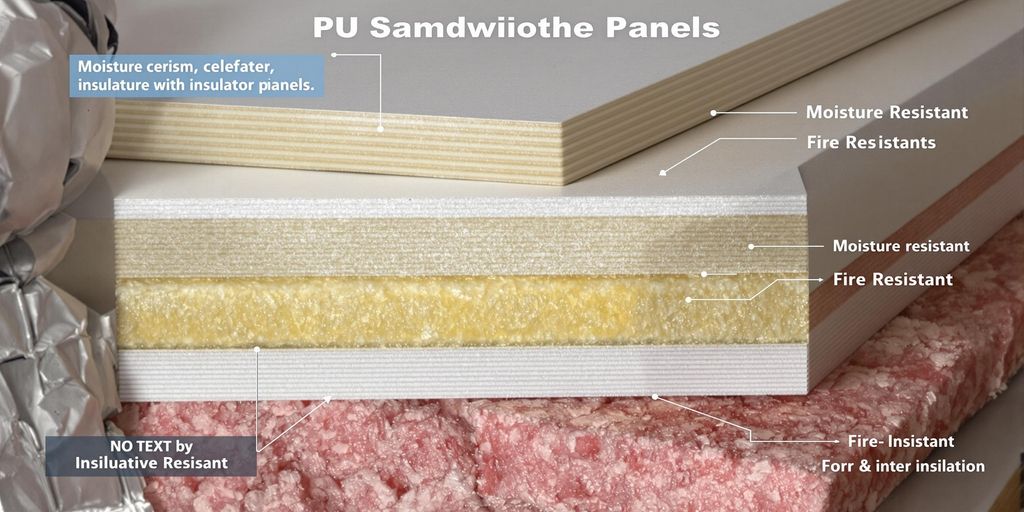
Moisture Handling Capabilities
One standout feature of PU sandwich panels is their ability to resist moisture. Unlike traditional materials like fiberglass or mineral wool, which can absorb water and lose their insulating properties, PU panels maintain their performance even in damp conditions. This is because the polyurethane core is inherently resistant to water infiltration.
- No Mold Growth: The moisture resistance prevents mold and mildew, ensuring healthier indoor environments.
- Consistent Insulation: Even when exposed to humidity, these panels don’t compromise on their thermal efficiency.
- Durability: They don’t degrade over time due to moisture, unlike many other options.
Fire Retardant Properties
PU sandwich panels can be manufactured with fire-retardant additives, making them a safer choice for construction. This feature is particularly valuable in buildings where fire safety is a top concern.
| Material | Combustibility | Toxic Fumes Emitted |
|---|---|---|
| PU Sandwich Panels | Low | No |
| Fiberglass | Moderate | Yes |
| Mineral Wool | Non-combustible | No |
These panels not only resist catching fire but also help to slow its spread, giving occupants more time to evacuate.
Longevity in Harsh Conditions
PU sandwich panels are built to last, even in extreme environments. Their robust construction ensures that they remain effective despite exposure to challenging conditions like fluctuating temperatures, high humidity, or direct sunlight.
Buildings that use PU sandwich panels for insulation often experience fewer issues with wear and tear, leading to lower maintenance costs over time.
In summary, the moisture and fire resistance of PU sandwich panels make them a reliable and safe option for modern construction. They outshine traditional materials by maintaining their performance and contributing to the overall durability of buildings.
Installation and Structural Benefits
Ease of Installation
Installing PU sandwich panels is straightforward compared to traditional insulation methods. These panels come pre-fabricated in large sections, which means you can skip the tedious cutting and fitting that traditional materials often require. This saves both time and manpower on the construction site. Plus, their lightweight nature makes handling and positioning a breeze, even for smaller crews.
Traditional insulation, on the other hand, involves multiple steps like measuring, cutting, and sealing. These steps not only take longer but also leave room for errors like gaps or uneven coverage, which can reduce overall efficiency.
Structural Integrity Contributions
PU sandwich panels don’t just insulate; they also provide structural support. Their rigid construction adds stability to the overall framework of a building. This is especially useful in steel structures, where the panels can enhance strength without adding much weight.
In contrast, traditional insulation materials like fiberglass or foam boards don’t contribute to the building’s structural integrity. They’re purely functional for insulation and need additional support systems to stay in place.
Time and Labor Savings
When it comes to time and labor, PU sandwich panels are hard to beat. Their pre-fabricated design allows for faster installation, cutting down project timelines significantly. For large-scale projects, this can translate into huge cost savings on labor.
Here’s a quick comparison:
| Aspect | PU Sandwich Panels | Traditional Insulation |
|---|---|---|
| Installation Time | Shorter | Longer |
| Labor Requirements | Minimal | High |
| Structural Contribution | Yes | No |
Choosing PU sandwich panels can simplify the construction process and add value to the structure, making them a smart choice for modern building projects.
Environmental and Sustainability Factors
Energy Efficiency and Carbon Footprint
PU sandwich panels shine when it comes to energy efficiency. Their superior insulation reduces the need for heating and cooling, slashing energy consumption in buildings. This directly translates to a lower carbon footprint over the lifespan of a structure. While the production process does carry an initial environmental cost, the energy savings achieved in the long run often outweigh this. Over time, these panels can significantly cut down greenhouse gas emissions, making them a smart choice for eco-conscious builders.
Recyclability and Material Usage
One standout feature of PU sandwich panels is their recyclability. Many of the materials used in these panels can be repurposed at the end of their lifecycle. Additionally, their high strength-to-weight ratio allows for thinner walls and reduced material usage without sacrificing performance. This not only conserves resources but also reduces transportation emissions during construction projects.
Long-Term Environmental Impact
When you think about the big picture, PU sandwich panels offer durability that traditional materials often can’t match. With proper care, these panels can last over 50 years, reducing the need for frequent replacements. Less waste, fewer resources consumed, and lower maintenance requirements all add up to a more sustainable building solution.
Choosing PU sandwich panels isn’t just about insulation—it’s about investing in a future with less waste and smarter energy use.
Cost Analysis and Long-Term Value
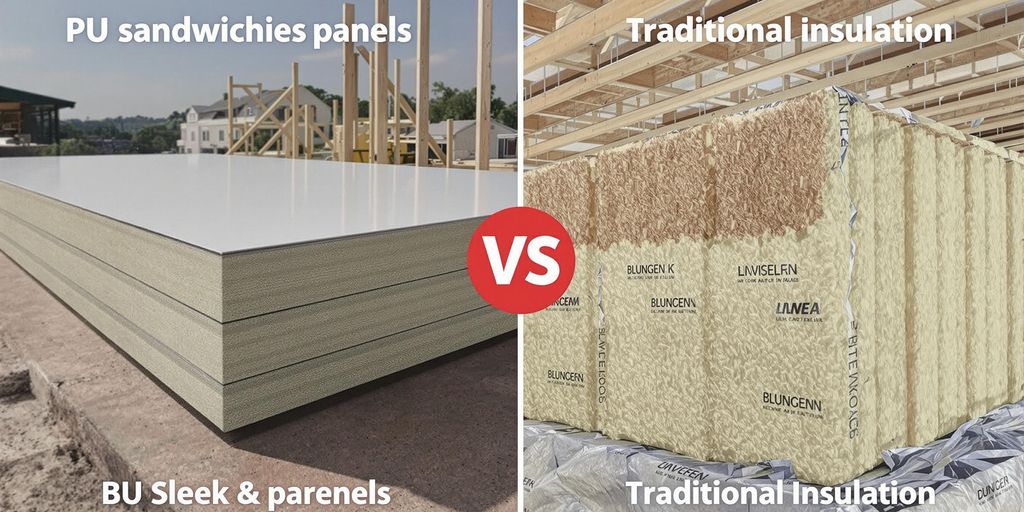
Initial Investment vs. Savings
While PU sandwich panels might come with a higher upfront cost compared to traditional insulation materials, their long-term benefits often outweigh the initial expense. The superior thermal insulation properties lead to noticeable energy savings over time. These savings can significantly reduce heating and cooling costs, helping to recoup the initial investment faster than you might expect.
| Cost Factor | PU Sandwich Panels | Traditional Insulation |
|---|---|---|
| Initial Material Cost | Higher | Lower |
| Energy Savings Over Time | Significant | Moderate to Low |
| Maintenance Requirements | Minimal | Moderate to High |
Maintenance and Durability
One of the standout features of PU sandwich panels is their durability. They resist moisture, pests, and general wear and tear far better than many traditional insulation options. This means fewer repairs and replacements over the years, which translates to lower maintenance costs. In contrast, traditional materials like mineral wool or fiberglass may degrade faster, especially in harsh conditions, leading to higher upkeep expenses.
Overall Cost-Effectiveness
When you combine the energy efficiency, reduced maintenance, and long lifespan, PU sandwich panels emerge as a cost-effective solution. They also speed up installation times, cutting down on labor costs. For large-scale projects or long-term use, these panels often end up being the more economical choice despite their higher initial price.
PU sandwich panels offer a balance between performance and value, making them a smart investment for both residential and commercial projects.
Applications in Modern Construction
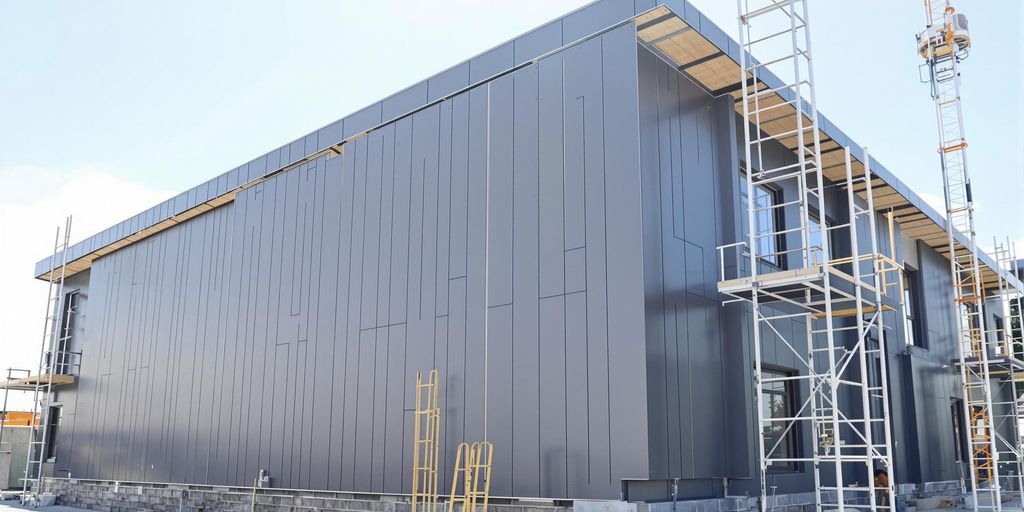
Residential and Commercial Uses
PU sandwich panels are making waves in both residential and commercial construction. Their lightweight design and exceptional insulation capabilities make them a favorite for modern homes and offices. For homes, they are often used in walls, roofs, and even flooring to create energy-efficient living spaces. In commercial settings, PU panels are ideal for retail outlets, office buildings, and warehouses, where thermal regulation and durability are key priorities.
Renovation and Retrofit Projects
When it comes to upgrading existing buildings, PU sandwich panels are a game-changer. Their easy installation process allows them to be added to older structures without major modifications. This is especially useful for improving insulation in outdated homes or commercial spaces. Plus, their lightweight nature means they don’t add unnecessary strain to existing structures, making them perfect for retrofits.
Specialized Applications
PU sandwich panels aren’t just for standard buildings. They’re also used in specialized applications like cold storage facilities, clean rooms, and even modular structures. Their ability to maintain consistent temperatures makes them indispensable in industries like food storage and pharmaceuticals. Additionally, architects and builders are increasingly using them to create innovative, sustainable designs that stand out in modern construction.
PU sandwich panels are not just a material—they’re a solution for efficient, sustainable, and versatile construction needs.
Conclusion
When it comes down to it, PU sandwich panels bring a lot to the table compared to traditional insulation methods. They’re not just about keeping your building warm or cool—they’re about doing it efficiently, with less hassle, and for a longer time. Sure, the upfront cost might make you pause, but the savings on energy bills and maintenance over the years can make up for it. Plus, they’re easier to install and even help with structural support, which is a nice bonus. If you’re planning a project, whether it’s a new build or a renovation, it’s worth giving PU sandwich panels a serious look. They might just be the smarter choice in the long run.
Frequently Asked Questions
What are PU sandwich panels made of?
PU sandwich panels consist of two outer layers, often metal, with a core made of polyurethane foam. This design gives them strength, insulation, and durability.
How do PU sandwich panels compare to fiberglass insulation?
PU sandwich panels provide better thermal insulation, resist moisture, and add structural strength, unlike fiberglass, which can absorb water and lose effectiveness over time.
Are PU sandwich panels fire-resistant?
Yes, PU sandwich panels can be manufactured with fire-retardant properties to enhance safety in buildings.
Can PU sandwich panels be used in renovations?
Absolutely. Their lightweight and easy installation make them ideal for both new constructions and retrofitting older buildings.
Are PU sandwich panels environmentally friendly?
Yes, they are energy-efficient, reduce carbon emissions, and some components can be recycled, making them a sustainable choice.
What is the cost difference between PU sandwich panels and traditional insulation?
While PU sandwich panels may have a higher upfront cost, their durability, energy savings, and low maintenance make them cost-effective in the long run.


