
In today’s fast-paced world, businesses are always looking for ways to work smarter and faster. Automated mesh welding is a game-changer that helps companies improve their productivity. This article will explore what automated mesh welding is, its benefits, and how to implement it effectively in your operations.
Key Takeaways
- Automated mesh welding speeds up the welding process, making production faster.
- These systems provide consistent quality, reducing mistakes and rework.
- Using automated welding can lower costs by saving materials and labor.
- New technologies are making mesh welding smarter and easier to integrate with other systems.
- Successful companies have seen great results by adopting automated mesh welding techniques.
Understanding Automated Mesh Welding
What is Automated Mesh Welding?
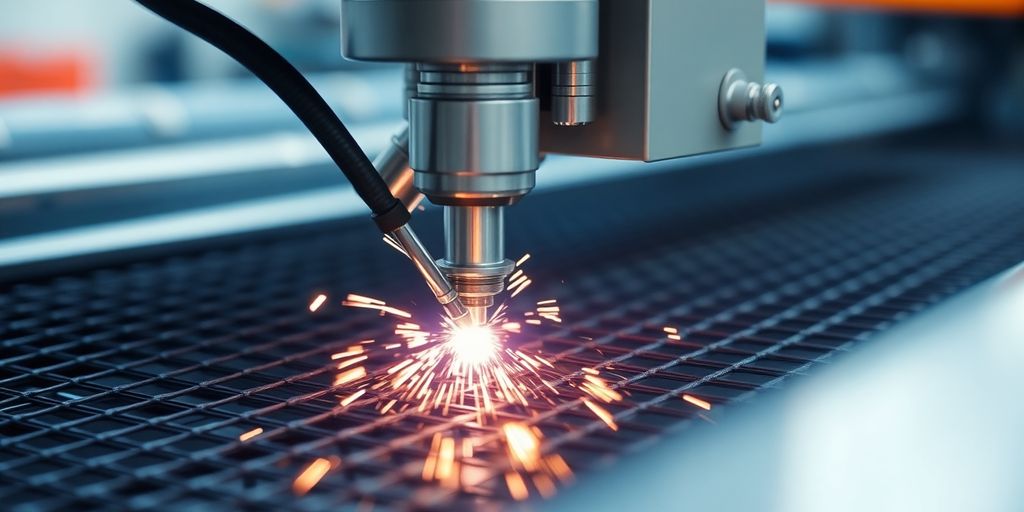
Automated mesh welding is a process that uses machines to join metal wires together to create a mesh. This technology helps industries produce strong and consistent mesh products quickly. It is commonly used in construction, agriculture, and manufacturing.
Key Components of Automated Mesh Welding Systems
An automated mesh welding system consists of several important parts:
- Welding Machine: The main device that performs the welding.
- Control System: This manages the welding process and ensures everything runs smoothly.
- Feeding Mechanism: It supplies the wires to the welding machine.
How Automated Mesh Welding Works
The process of automated mesh welding involves several steps:
- Wire Feeding: Wires are fed into the machine.
- Welding: The machine heats and joins the wires at specific points.
- Cooling: The welded mesh is cooled down to solidify the joints.
Automated mesh welding not only speeds up production but also improves the quality of the final product.
Benefits of Automated Mesh Welding for Productivity
Increased Efficiency and Speed
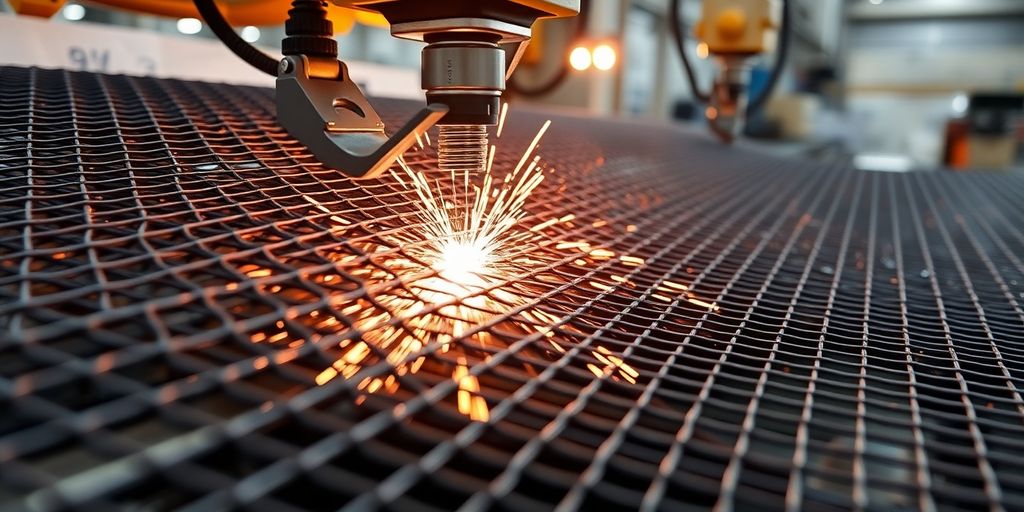
Automated mesh welding systems can significantly speed up the welding process. This means that more products can be made in less time. Here are some key points about efficiency:
- Faster production rates
- Reduced downtime
- Ability to run continuously without breaks
Consistency and Quality Improvement
One of the biggest advantages of automation is the consistent quality it provides. Automated systems ensure that every weld is made the same way, which leads to:
- Fewer defects
- Higher overall quality of products
- Reliable performance over time
Cost Savings and Resource Optimization
Investing in automated mesh welding can lead to substantial cost savings. Here’s how:
- Lower labor costs due to reduced need for manual work.
- Decreased material waste from precise welding.
- Long-term savings from improved efficiency and quality.
In summary, automated mesh welding not only boosts productivity but also enhances quality and reduces costs, making it a smart choice for many businesses.
Technological Innovations in Mesh Welding
Advancements in Welding Technology
In recent years, mesh welding technology has seen significant improvements. New techniques and tools have made welding faster and more reliable. Some of the key advancements include:
- Use of laser welding for precision.
- Enhanced automation for better speed.
- Smart sensors that monitor quality in real-time.
Integration with Industry 4.0
The rise of Industry 4.0 has transformed how mesh welding is done. This new era focuses on smart factories and connected machines. Key aspects include:
- Data sharing between machines for better efficiency.
- Use of artificial intelligence to predict maintenance needs.
- Remote monitoring to ensure everything runs smoothly.
Future Trends in Automated Mesh Welding
Looking ahead, several trends are shaping the future of automated mesh welding:
- Increased use of robotics for complex tasks.
- Greater focus on sustainability and eco-friendly practices.
- Development of more user-friendly interfaces for operators.
The future of mesh welding is bright, with technology paving the way for safer and more efficient operations.
Implementing Automated Mesh Welding in Your Operations
Assessing Your Current Welding Processes
To start implementing automated mesh welding, you need to look closely at your current welding methods. Here are some steps to consider:
- Evaluate your existing workflow: Identify the strengths and weaknesses of your current processes.
- Gather data: Collect information on production rates, quality issues, and labor costs.
- Identify areas for improvement: Look for bottlenecks or inefficiencies that automation could solve.
Choosing the Right Automated System
Once you understand your current processes, the next step is to select the right automated welding system. Consider these factors:
- Production needs: What volume of work do you need to handle?
- Type of materials: What materials will you be welding?
- Budget: How much can you invest in new equipment?
Training and Workforce Considerations
Implementing new technology requires training your staff. Here are some important points:
- Provide comprehensive training: Ensure that all employees understand how to use the new system.
- Encourage teamwork: Foster a culture where workers can share tips and help each other.
- Monitor progress: Regularly check in on how well the team is adapting to the new technology.
Automating mesh welding can significantly enhance your production capabilities, but it requires careful planning and execution.
By following these steps, you can successfully integrate automated mesh welding into your operations, leading to improved efficiency and productivity.
Challenges and Solutions in Automated Mesh Welding
Common Obstacles in Automation
Automating mesh welding can come with its own set of challenges. Here are some common obstacles:
- High Initial Costs: Setting up automated systems can be expensive.
- Technical Skills Gap: Workers may need special training to operate new machines.
- Integration Issues: New systems might not work well with existing equipment.
Overcoming Technical Challenges
To tackle these technical issues, consider the following solutions:
- Invest in Training: Provide comprehensive training for your staff to ensure they are comfortable with the new technology.
- Choose Compatible Equipment: When selecting new machines, make sure they can easily integrate with your current systems.
- Regular Maintenance: Schedule routine checks to keep machines running smoothly and prevent breakdowns.
Ensuring Safety and Compliance
Safety is crucial in any automated process. Here are some key points to ensure safety:
- Follow Regulations: Always adhere to industry safety standards.
- Conduct Risk Assessments: Regularly evaluate the workplace for potential hazards.
- Implement Safety Protocols: Establish clear safety procedures for all employees to follow.
Implementing automated mesh welding can greatly improve productivity, but it’s essential to address these challenges to ensure a smooth transition.
Case Studies: Success Stories with Automated Mesh Welding
Real-World Examples of Productivity Boosts
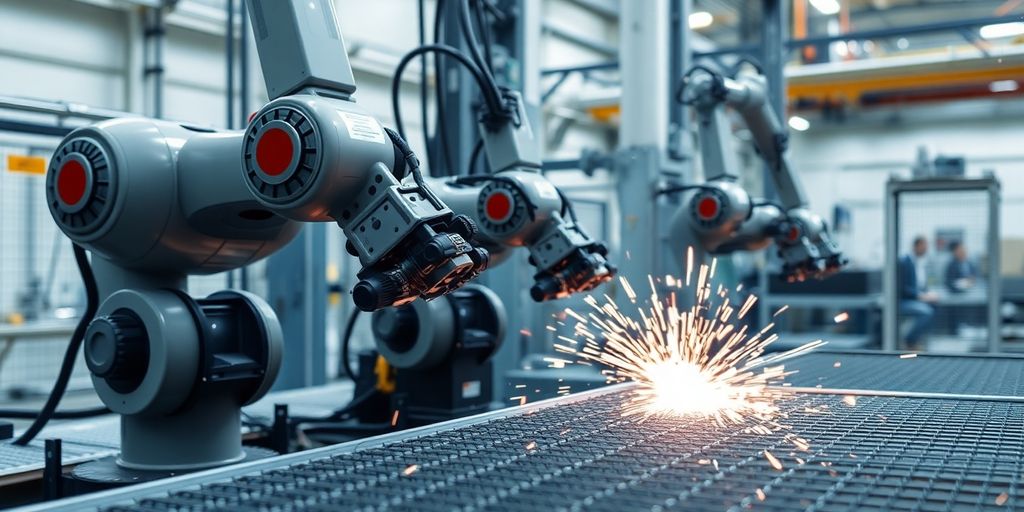
Many companies have seen great improvements after switching to automated mesh welding. Here are a few examples:
- Company A: Increased production speed by 30%.
- Company B: Reduced material waste by 25%.
- Company C: Improved product quality, leading to fewer returns.
Lessons Learned from Industry Leaders
From these success stories, several key lessons can be drawn:
- Invest in Training: Proper training for staff is crucial to maximize the benefits of automation.
- Regular Maintenance: Keeping equipment in good shape prevents downtime.
- Adaptability: Being flexible and ready to adjust processes can lead to better results.
Measuring Success and ROI
To understand the impact of automated mesh welding, companies often look at specific metrics. Here’s a simple table showing some of these metrics:
| Metric | Before Automation | After Automation | Improvement |
|---|---|---|---|
| Production Speed | 100 units/hour | 130 units/hour | +30% |
| Material Waste | 20% | 15% | -25% |
| Customer Returns Rate | 5% | 2% | -60% |
Implementing automated mesh welding can lead to significant improvements in productivity and efficiency. Companies that embrace this technology often find themselves ahead of the competition.
Selecting the Best Automated Mesh Welding Equipment
Factors to Consider When Choosing Equipment
When selecting automated mesh welding equipment, keep these important factors in mind:
- Production Volume: Determine how much you need to produce. Higher volumes may require more advanced machines.
- Material Compatibility: Ensure the equipment can handle the types of materials you use.
- Budget: Set a clear budget to find equipment that meets your needs without overspending.
Top Manufacturers and Suppliers
Here are some well-known manufacturers and suppliers of automated mesh welding equipment:
- Company A
- Company B
- Company C
Maintenance and Support Services
Regular maintenance is crucial for keeping your equipment running smoothly. Consider these support services:
- Scheduled maintenance checks
- Availability of spare parts
- Customer support for troubleshooting
Investing in the right equipment and support can significantly enhance your welding operations.
Conclusion
In summary, using automated mesh welding can really help improve how much work gets done. It saves time and cuts down on mistakes, making the whole process smoother. Companies that adopt this technology can see better results and happier workers. As we move forward, embracing these new tools will be key to staying ahead in the industry. So, if you’re looking to boost your productivity, consider making the switch to automated mesh welding.
Frequently Asked Questions
What is automated mesh welding?
Automated mesh welding is a process where machines are used to join metal wires together to create mesh. This is done quickly and efficiently, making it easier to produce items like fences and grids.
How does automated mesh welding improve productivity?
It boosts productivity by speeding up the welding process, providing consistent quality, and reducing costs. Machines can work faster than humans and produce less waste.
What are the main parts of an automated mesh welding system?
The main parts include welding machines, control systems, and feeding devices. These work together to ensure the welding happens smoothly and accurately.
Can any business use automated mesh welding?
Yes, many businesses can benefit from it, especially those that need to produce large amounts of mesh products. It’s suitable for construction, agriculture, and manufacturing industries.
What challenges might I face when using automated mesh welding?
Some challenges include technical issues, the need for proper training, and ensuring safety standards are met. It’s important to plan ahead to address these problems.
How do I choose the right automated mesh welding equipment?
When choosing equipment, consider factors like the type of mesh you need, the volume of production, and your budget. Research different manufacturers and look for reliable support services.


