
Mesh welding might not be the first thing that comes to mind when you think about earthquake safety as we think of it as a key material in welding projects, but it’s a game-changer. This unassuming material made by the automatic wire mesh welding production line is a powerhouse in construction, especially in areas prone to seismic activity. By reinforcing buildings, roads, and bridges, welded mesh helps them stand strong against the violent shakes of an earthquake. It’s like giving a skeleton to a structure, allowing it to bend and sway without breaking.
Key Takeaways
- Welded mesh is crucial for reinforcing structures in seismic zones, acting like a backbone to prevent collapse during earthquakes.
- Designing with welded mesh in mind can make buildings and infrastructures more resilient to seismic activities.
- Mesh welding techniques like Gas Metal Arc Welding and Submerged Arc Welding are essential for creating strong, durable joints.
- Sustainability is key; using recyclable materials in mesh welding can lead to more eco-friendly construction practices.
- Regular inspection and maintenance of welded structures ensure long-term safety and compliance with standards.
Reinforcing Structures for Earthquake Resilience
Importance of Welded Mesh in Construction
When it comes to keeping buildings standing during an earthquake, welded wire mesh is a real game-changer. This stuff is like the unsung hero in construction, especially in places where the ground likes to shake things up. It gets mixed into concrete to make walls, floors, and foundations much tougher. The magic of welded mesh is in how it handles stress and shock waves, really spreading out the force so nothing cracks or falls apart. It’s not just for houses either; you’ll find it in bridges and public buildings too, making sure they can handle a good shake.
Look for a mesh welding machine manufacturer? YZ welding offers a complete welding machine line for you to choose! Contact us today!
Design Considerations for Seismic Zones
Building in earthquake zones isn’t just about slapping some extra steel into concrete. It’s about smart design from the ground up. Engineers have to think about how the whole structure will move during a quake. That means using wire mesh welding machines to get those welds just right. They make sure every joint is strong and consistent, which is key when the ground starts moving. Plus, the design needs to focus on flexibility, allowing buildings to sway without breaking. This involves a mix of materials and techniques, all aimed at keeping structures intact.
Integrating Mesh in Various Structures
You might not see it, but welded mesh is everywhere in a building. It’s used in walls, floors, and even ceilings to give extra strength. But it’s not just about throwing it in anywhere. It’s got to be placed strategically, depending on where the most stress will be during an earthquake. Here’s a quick rundown of where you might find it:
- Walls: Reinforcing load-bearing walls to prevent them from buckling.
- Floors: Integrated into slabs to stop cracks from spreading.
- Foundations: Providing a solid base that can handle lateral movements.
Reinforcing structures with welded mesh isn’t just about strength; it’s about ensuring safety and longevity in the face of nature’s unpredictability. With the right design and materials, we can build not just to survive earthquakes, but to thrive despite them.
Effective Flood Control Strategies
Role of Gabion Cages
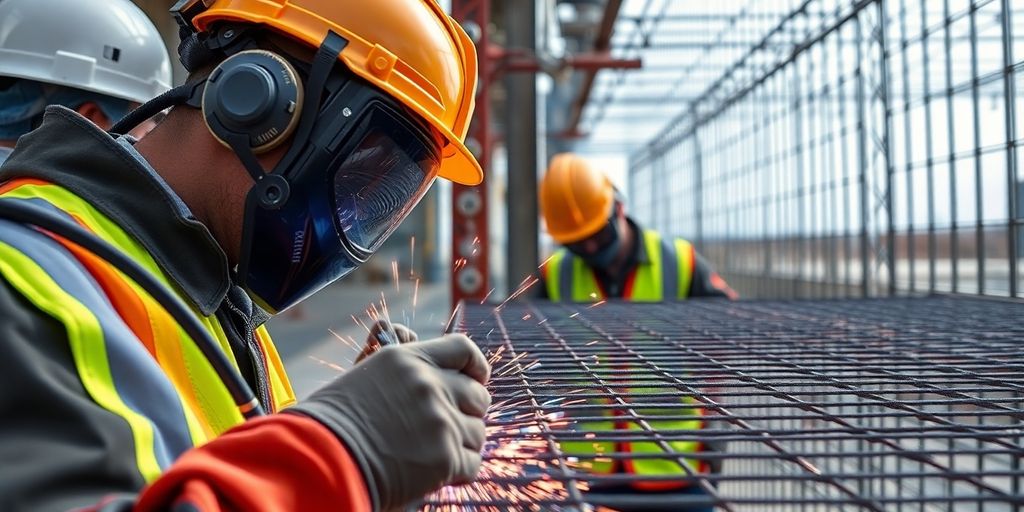
Floods can be devastating, wiping out entire communities in a matter of hours. One effective way to combat this is by using gabion cages. These are wire mesh boxes filled with stones or other materials. Gabion cages are incredibly effective because they can be quickly deployed along rivers, streams, and coastlines to provide a strong barrier against floodwaters. They work by absorbing and redirecting the force of the water, which helps to prevent erosion and protect infrastructure behind them. Plus, they’re not just a temporary fix. Once in place, they can last for decades with minimal maintenance.
Designing Permeable Barriers
Creating barriers that allow water to flow through them rather than stopping it entirely is another smart flood control strategy. Permeable barriers can be made from various materials, including natural ones like vegetation and soil, or manufactured ones like specially designed concrete blocks. These barriers slow down water flow, reducing the force and volume that can lead to flooding. They also help recharge groundwater levels, which is a bonus in areas prone to drought. Designing these barriers requires a careful balance between allowing water passage and providing enough resistance to control the flow effectively.
Maintenance of Flood Control Systems
Keeping flood control systems in good shape is just as important as building them in the first place. Regular inspections are key to identifying wear and tear or potential weak spots that could fail during a flood. Maintenance can include clearing debris from channels, repairing any damaged sections, and ensuring that all components are functioning as they should. It’s a continuous process that requires attention and resources, but it’s vital for the safety of communities. Without proper maintenance, even the best-designed systems can fail when they’re needed most.
Effective flood control is not just about building barriers but ensuring they are maintained and adapted to changing conditions. As climate patterns shift, so too must our strategies for managing water and protecting communities.
Accelerating Recovery After Disasters
Quick Shelter Solutions
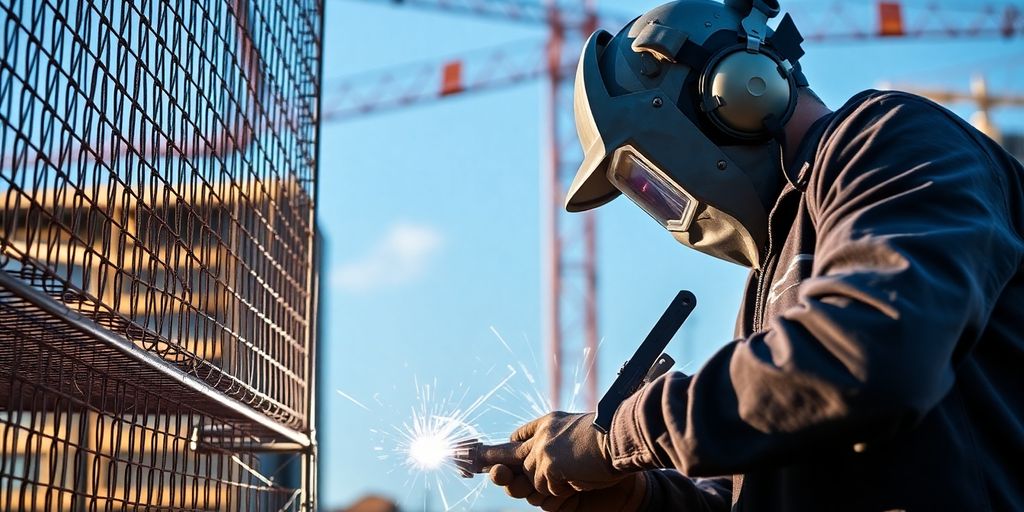
When disaster hits, getting people into safe shelters quickly is a top priority. Using welded mesh, temporary shelters can be set up fast and efficiently. These structures are lightweight and easy to transport, making them ideal for emergency situations. Their durability ensures that they can withstand harsh weather conditions, providing a safe haven for those affected.
Stabilizing Damaged Infrastructure
After an earthquake or a severe storm, infrastructure can be severely damaged. Welded mesh plays a crucial role in stabilizing these structures. By reinforcing walls and bridges, it helps prevent further collapse and allows for safer access to critical areas. This immediate stabilization is key to reopening roads and restoring essential services without delay.
Long-term Recovery Planning
In the long run, welded mesh is invaluable for rebuilding efforts. It is used to reinforce new constructions and in the rehabilitation of existing buildings. This ensures that communities are better prepared for future disasters. Long-term recovery plans often include creating retaining walls and slopes reinforced with welded mesh to prevent landslides and other secondary disasters.
In every phase of disaster recovery, welded mesh proves to be an essential component, helping communities bounce back stronger and more resilient.
Innovative Welding Techniques for Seismic Applications
Gas Metal Arc Welding
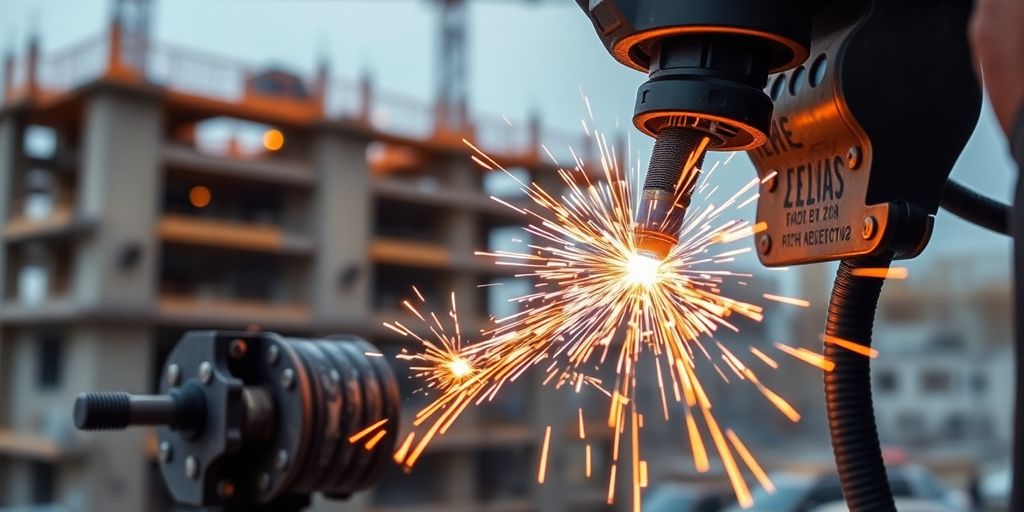
Gas Metal Arc Welding (GMAW), often called MIG welding, is a popular choice for seismic applications. This method is semi-automatic or automatic, using a continuous wire feed as an electrode. What makes GMAW stand out is its efficiency in producing high-quality welds quickly. An inert gas, like argon or helium, shields the weld from atmospheric contamination, ensuring a clean, strong bond. In seismic zones, where structural integrity is paramount, GMAW’s ability to produce consistent welds is critical.
Flux-Cored Arc Welding
Flux-Cored Arc Welding (FCAW) is a variation of GMAW, but it uses a tubular wire filled with flux. This flux provides additional protection from the atmosphere and can add elements to improve weld quality. For seismic applications, FCAW is favored for its versatility and ability to weld thicker materials. It’s particularly useful in outdoor settings where wind might affect the shielding gas in GMAW.
Submerged Arc Welding
Submerged Arc Welding (SAW) involves forming a weld under a blanket of granular flux. This technique is excellent for creating deep, strong welds, which are essential in structures that must withstand seismic forces. The flux not only shields the weld but also contributes to the weld’s strength by adding alloying elements. SAW is often used in heavy-duty applications, such as welding beams and columns in earthquake-prone areas.
In seismic zones, choosing the right welding technique is crucial. Each method offers unique benefits that can enhance the durability and safety of structures. By leveraging advanced welding technologies, engineers can significantly improve the resilience of buildings and infrastructure against earthquakes.
Sustainability in Mesh Welding Practices
Material Selection for Durability
When it comes to mesh welding in seismic zones, picking the right materials is key. Steel is a popular choice due to its strength and ability to withstand harsh conditions without degrading quickly. Choosing durable materials means less frequent replacements and repairs, which is a win for both the environment and your wallet.
- Steel: Known for its robustness and longevity.
- Recyclable Materials: Opt for materials that can be reused or recycled.
- Corrosion-Resistant Coatings: These can extend the life of welded mesh structures.
Recyclability of Welded Mesh
Welded mesh not only provides strength but is also highly recyclable. After its lifecycle, the mesh can be melted down and reused, reducing waste and conserving resources. This recyclability is crucial in promoting sustainable building practices, especially in areas prone to natural disasters.
- Recycling Process: Simple and efficient, often involving melting and reforming.
- Environmental Impact: Reduces landfill waste and conserves raw materials.
- Economic Benefits: Lower costs due to the reuse of materials.
Eco-friendly Manufacturing Processes
Producing welded mesh sustainably involves using energy-efficient methods and reducing emissions. Many manufacturers are now adopting green technologies to minimize their carbon footprint.
“Adopting eco-friendly manufacturing not only benefits the planet but also enhances the reputation of construction companies committed to sustainability.”
- Energy-Efficient Equipment: Reduces energy consumption during production.
- Waste Reduction Techniques: Implementing methods to minimize scrap and byproducts.
- Sustainable Sourcing: Using raw materials from responsible sources ensures the longevity of natural resources.
Inspection and Maintenance of Welded Structures
Regular Inspection Protocols
Regular inspections are key to keeping welded structures safe and sound. Routine checks help spot any potential issues before they become serious problems. Start with a visual inspection, looking for any obvious signs of wear or damage. Next, use non-destructive testing methods like ultrasonic or radiographic testing to get a deeper look at the welds. It’s also important to keep detailed records of all inspections, noting any changes or repairs made over time.
Identifying Signs of Degradation
Knowing what to look for can make all the difference when maintaining welded structures. Common signs of degradation include cracks, corrosion, and distortion. Cracks can be tiny and hard to spot, but they can lead to major failures if not addressed. Corrosion often appears as rust or discoloration and can weaken the metal over time. Distortion might show up as warping or bending, which can affect the structural integrity.
Ensuring Compliance with Standards
Compliance with industry standards is a must to ensure the safety and reliability of welded structures. Standards like those from the American Welding Society (AWS) provide guidelines on how to properly inspect and maintain welds. Following these standards not only helps in maintaining the quality of the welds but also ensures that the structures can withstand their intended loads and conditions. Regular training and certification for welders can also help in maintaining compliance and improving the quality of the welds.
Keeping up with regular inspections and maintenance is like giving your car a tune-up—it might seem like a hassle, but it’s crucial for long-term performance and safety. Ignoring small issues can lead to bigger problems down the road, so it’s best to stay on top of it.
- Schedule inspections regularly and keep track of any changes.
- Use both visual and advanced testing methods for thorough checks.
- Train staff to recognize early signs of wear and tear.
- Follow industry standards for all maintenance and repairs.
By sticking to these practices, you’ll ensure that your welded structures are safe, reliable, and long-lasting.
Community Resilience Through Mesh Applications
Building Local Capacity
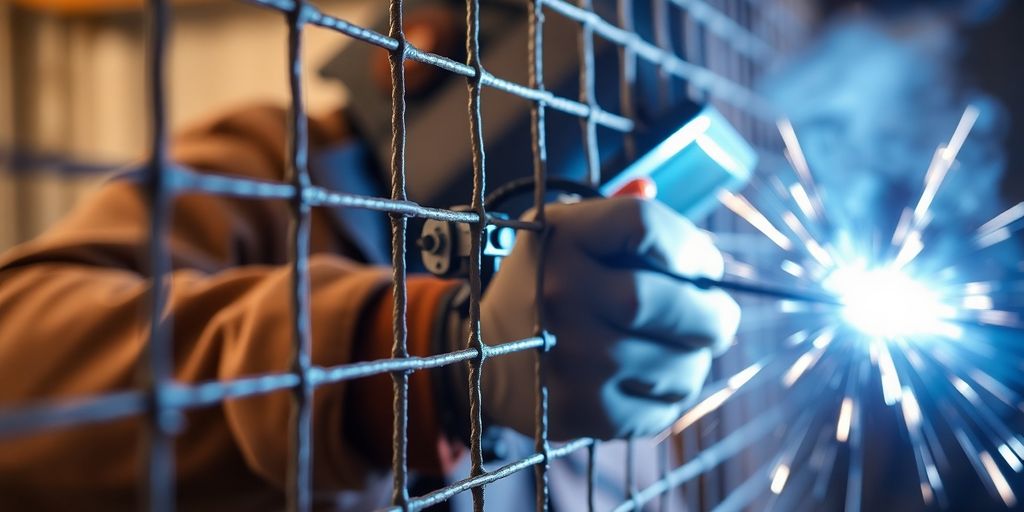
When it comes to strengthening communities against natural disasters, building local capacity is a game-changer. By training local workers in advanced mesh welding techniques, communities can ensure that they have the skills needed to construct and repair infrastructure quickly and effectively. This not only boosts employment but also creates a sense of ownership and pride in the community’s resilience efforts. Having skilled local welders can dramatically reduce response times and costs during emergencies.
Engaging Stakeholders in Planning
Involving everyone from government officials to local business owners in disaster planning can make a huge difference. Stakeholders bring diverse perspectives and resources, which can lead to innovative solutions and better preparedness. For instance, local businesses might invest in advanced mesh welding techniques to safeguard their properties, while government bodies can provide incentives for community-wide upgrades. This collaborative approach ensures that plans are comprehensive and tailored to the community’s unique needs.
Education and Training for Disaster Preparedness
Education is key to effective disaster preparedness. Communities should focus on regular training sessions and workshops that teach residents about the benefits and applications of welded mesh in disaster scenarios. These sessions can cover everything from basic installation techniques to understanding the role of mesh in flood control and seismic reinforcement. Knowledge empowers communities to take proactive measures, reducing the impact of disasters when they occur.
Investing in education and local capacity building not only prepares communities for the unexpected but also fosters a culture of resilience and self-reliance. By prioritizing these areas, we can create safer, more adaptable communities ready to face future challenges.
Conclusion
So, when it comes to mesh welding in seismic zones, it’s clear that this technique is more than just a construction method—it’s a lifesaver. By reinforcing structures, it helps them stand strong against the unpredictable forces of nature. Whether it’s holding up a building during an earthquake or providing quick solutions in disaster recovery, mesh welding proves its worth time and again. It’s not just about building for today, but ensuring safety and resilience for tomorrow. As we continue to face environmental challenges, integrating these best practices becomes not just smart, but necessary. Let’s keep building safer, stronger, and smarter.
Frequently Asked Questions
What is mesh welding and why is it important in earthquake areas?
Mesh welding involves joining metal wires to create a grid or mesh. This mesh is crucial in earthquake zones because it strengthens buildings and helps them withstand shaking.
How does welded mesh help in flood control?
Welded mesh can be used to make gabion cages, which are filled with stones and placed in areas prone to flooding. These cages help redirect and slow down water, reducing flood damage.
What are some fast solutions for shelter after a disaster?
After a disaster, welded mesh can be used to quickly set up shelters. Its lightweight yet strong nature makes it ideal for building temporary homes and stabilizing damaged structures.
What are some common welding techniques used for seismic applications?
For seismic applications, techniques like Gas Metal Arc Welding, Flux-Cored Arc Welding, and Submerged Arc Welding are often used. These methods help ensure strong and reliable welds.
How does welded mesh contribute to sustainability?
Welded mesh is sustainable because it is durable and can be recycled. Choosing eco-friendly manufacturing processes also helps in reducing environmental impact.
Why is regular inspection of welded structures important?
Regular inspection helps identify any signs of wear or damage in welded structures, ensuring they remain safe and compliant with standards.


