
Polyurethane’s Multifaceted Role in Automotive Interiors
Polyurethane Foam Applications in Vehicle Components
Polyurethane (PUR) foam is all over the inside of your car, doing a lot more than you probably realize. It’s not just about making seats comfy; it’s a key player in safety and overall vehicle performance. Think about those high-resilience foam seats – that’s PUR at work. But it doesn’t stop there. PUR also shows up in rigid foam insulation panels, B-pillars (those structural posts between your car doors), headliners, and even suspension insulators. It’s also used in bumpers and other interior parts. The reason it’s so popular? It’s adaptable. You can mold it into pretty much any shape, making it perfect for all sorts of car parts. Plus, it’s durable, so it can handle the wear and tear of daily use. Polyurethane foam is a staple in the automotive industry, contributing to both comfort and safety.
Acoustic Attenuation Properties of Polyurethane
With all the tech we want in our cars these days – GPS, hands-free calling – car companies are paying way more attention to how quiet the inside of your car is. That’s where polyurethane comes in again. PUR is often injected into those empty spaces in the car’s body. It acts like a sound sponge, soaking up noise and vibrations to keep the cabin quiet. It’s a cost-effective material, which is always a plus for manufacturers. Plus, it gives them a lot of freedom in design. It’s not just about blocking noise; it’s about making the whole driving experience more pleasant. The adaptability and versatility of PUR make it a great choice for acoustic design.
Economic and Environmental Advantages of Polyurethane
Beyond comfort and quietness, polyurethane has some serious economic and environmental perks. It’s relatively cheap, especially compared to some other materials that could do similar jobs. And because it’s so durable, it lasts a long time, which means fewer replacements and less waste. On the environmental side, PUR can be recycled, which is a big deal these days. Plus, because it’s lightweight, it can help reduce emissions by improving fuel efficiency. Automakers are under a lot of pressure to be greener, and using recyclable materials is a good way to do that. So, PUR isn’t just about making your ride comfortable; it’s also about being responsible. The increased use of recyclable materials should be prioritized by both companies and individual customers to lessen the overall impact on the environment.
Advanced Manufacturing Techniques for Interior Components
The Polyurethane Spraying Process for Surface Skins
Okay, so when it comes to making the inside of your car look and feel nice, one of the tricks is how they apply the surface skins. Polyurethane spraying is a big deal here. Basically, it’s like spray-painting, but instead of paint, they’re spraying polyurethane. This stuff creates a soft, durable layer that feels good to the touch. The process involves mixing polyurethane components and then spraying them onto a mold. Once it cures, you get a seamless skin that can be attached to the underlying structure of the door panel or dashboard. It’s pretty cool because you can get different textures and colors just by tweaking the formula or the spraying technique. This method is popular because it’s relatively quick and can handle complex shapes, making it perfect for those curvy interior designs we see in modern cars. For example, PU sandwich panels are increasingly used in automotive interiors due to their lightweight and durable nature.
Comparative Analysis of PU Spraying and Slush Molding
Now, let’s talk about how polyurethane spraying stacks up against another method called slush molding. Slush molding is where you pour liquid material into a mold, let it form a skin, and then pour out the excess. It’s been around for a while and is still used, but it has some drawbacks compared to spraying. For starters, spraying is generally faster and more efficient, especially for large or intricate parts. Slush molding can be a bit messy and might not give you as consistent a thickness as spraying. Plus, with spraying, you have more control over the texture and finish. However, slush molding can be cheaper for certain applications, especially if you’re doing a small production run. So, it really depends on the specific needs of the manufacturer. Here’s a quick rundown:
| Feature | Polyurethane Spraying | Slush Molding |
|---|---|---|
| Speed | Faster | Slower |
| Consistency | More Consistent | Less Consistent |
| Texture Control | High | Moderate |
| Cost (Small Run) | Higher | Lower |
| Complexity | Handles Intricate Shapes | Simpler Shapes |
In-Mold Decoration: Concept and Automotive Applications
Ever wonder how those cool designs and textures get onto your car’s interior panels? In-mold decoration (IMD) is a clever way to do it. Basically, you put a decorated film into the mold before you inject the plastic. When the plastic melts and fills the mold, the design on the film gets transferred onto the plastic part. It’s like magic! This method is great because it gives you a durable, scratch-resistant finish that’s integrated right into the part. No need for extra steps like painting or printing. IMD is used for all sorts of things, from door panels to dashboards, and it allows for some really creative designs. Plus, it’s pretty efficient, which helps keep costs down. The automotive industry is always looking for ways to improve long-term projects, and IMD is a great example of how they’re doing it.
Material Selection for Automotive Interior Panels
Polypropylene as a Primary Material for Door Panels
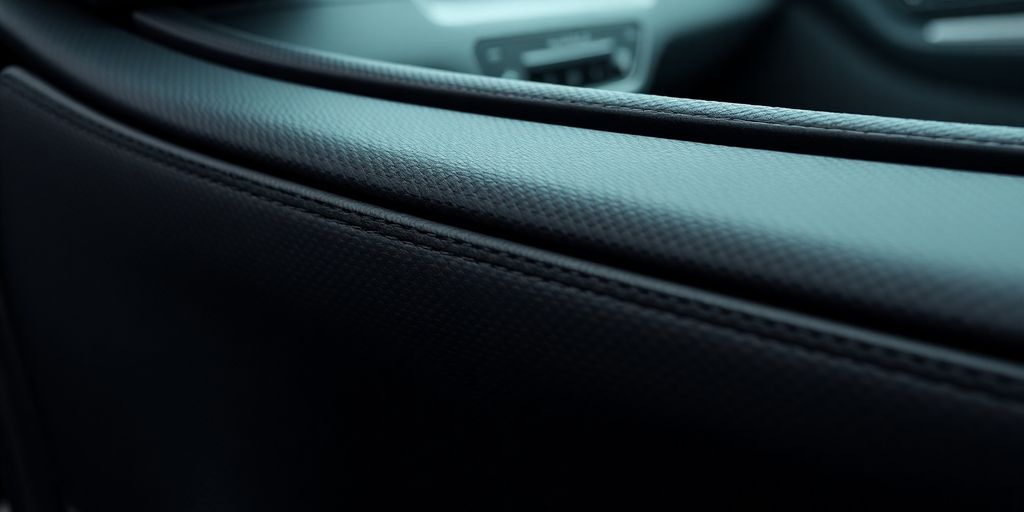
Polypropylene (PP) has become a really popular choice for car door panels, and there are some good reasons why. It’s lightweight, which helps with fuel efficiency, and it’s also pretty tough, so it can handle everyday wear and tear. Plus, PP is relatively cheap compared to some other materials, which helps keep car prices down. One of the big advantages of using PP is that it can be molded into complex shapes, which gives designers a lot of freedom to create cool-looking and functional door panels.
Ford started using unpainted, molded-in-color (MIC) LFT parts for doorsill scuff plates on the ’08 Ford Focus. The same material and process were then used for overhead consoles on the ’08 Ford Expedition and Lincoln Navigator SUVs, replacing talc-filled thermoplastic polyolefin (TPO). This change improved appearance, reduced squeak and rattle, increased stiffness and dimensional stability under thermal loading and improved scratch resistance. An even more ambitious application was launched on the ’10 Lincoln MKT CUV, where substantial console side panels were converted from painted PC/ABS to MIC LFT-PP, saving Ford $6 per vehicle by eliminating paint and squeak-and-rattle countermeasures.
Polyvinyl Chloride in Automotive Interior and Protection
Polyvinyl Chloride (PVC) used to be a go-to material for car interiors, especially for things like door panels and seat covers. It’s durable, water-resistant, and can be made to look like leather, which was a big selling point. However, PVC has some environmental issues. It contains chlorine, and its production and disposal can release harmful chemicals. Because of these concerns, the automotive industry has been looking for alternatives to PVC. While it’s still used in some applications, you’ll find it less and less in newer cars as manufacturers switch to more eco-friendly options. PU Sandwich Panels are a great alternative.
Emerging Bio-Based and Natural Fiber Composites
There’s a growing trend toward using more sustainable materials in car interiors, and that includes bio-based and natural fiber composites. These materials are made from renewable resources like wood, flax, and hemp. They can be used to make door panels that are lighter and more environmentally friendly than traditional materials. For example, Faurecia developed Lignotock, featuring 85% wood fiber with 15% phenol-formaldehyde (PF) binder resin, reducing weight and cost vs. conventional glass-reinforced thermoplastics while boosting sound-deadening performance. BASF’s Acrodur acrylic copolymer makes possible natural fiber loadings of 70 to as high as 90 percent. These composites can also have good sound-dampening properties, which helps to make the car quieter inside. Plus, using these materials can reduce the car’s carbon footprint, which is a win for the environment. As technology improves, we’re likely to see even more of these materials in car interiors. Traditional insulation methods are being replaced by these new materials.
Innovations in Soft-Touch Surface Technology
The DirectSkinning Process for Integrated Soft Surfaces
Okay, so car interiors are getting a serious upgrade, and a big part of that is how things feel. No one wants to touch hard, cheap plastic anymore. Automakers are trying to figure out how to make interiors feel luxurious without breaking the bank. That’s where DirectSkinning comes in. DirectSkinning is a process that combines regular plastic injection molding with reaction-injection molding (RIM) to create a soft, comfy surface right on top of a hard plastic base.
Think of it like this: you’ve got the strong, supportive structure underneath (made of something like Bayblend PC/ABS from Bayer), and then a layer of soft, flexible polyurethane (like Bayer’s Bayflex LS) is molded right on top. The cool part? It all happens in one tool, which saves time and money. It’s way more efficient than the old method of molding a part and then gluing a skin on top. Plus, because the urethane has a low viscosity, it can easily cover complex shapes and designs. This is especially useful for parts like instrument panels, center consoles, and door trims. The surface is also durable, resists scratches, and doesn’t have plasticizers or halogens, which are often found in vinyl skins. It also helps meet European VOC emissions requirements. If you’re looking for YZ’s Polyurethane (PU) Sandwich Panel Machine Line, this process might be relevant.
Material Properties for Enhanced Haptics and Durability
So, what makes a surface feel good to the touch? It’s all about the materials. Automakers are looking for materials that are soft, but also tough enough to handle everyday wear and tear. Things like abrasion resistance, UV stability (so the color doesn’t fade), and resistance to chemicals (like cleaning products) are super important. The goal is to create a surface that feels premium and lasts a long time. The automotive industry is constantly changing. Techniques are improving all the time.
Here’s a quick rundown of some key material properties:
- Softness: Measured by how easily the material indents under pressure. Softer materials generally feel more luxurious.
- Durability: How well the material resists scratches, scuffs, and other damage. A durable material will keep the interior looking newer for longer.
- UV Resistance: How well the material holds its color and appearance when exposed to sunlight. This is important for preventing fading and discoloration.
- Chemical Resistance: How well the material withstands exposure to cleaning products, spills, and other chemicals. This helps prevent staining and damage.
Cost-Benefit Analysis of Advanced Skinning Technologies
Okay, so these fancy new skinning technologies sound great, but are they worth the cost? That’s the big question automakers are asking. It’s all about finding the right balance between cost, performance, and aesthetics. DirectSkinning, for example, can be more expensive upfront than traditional methods, but it can save money in the long run by reducing labor, waste, and the need for extra steps like priming and painting. Plus, the higher-quality finish can make the car more appealing to buyers. In-mold decoration marks a significant advancement in the design of color and texture for automotive interiors. Here’s a quick look at the pros and cons:
Pros:
- Improved haptics (the way things feel)
- Increased durability and scratch resistance
- Reduced VOC emissions
- More design flexibility
- Potential for cost savings in the long run
Cons:
- Higher upfront costs
- More complex manufacturing process
- May require specialized equipment
Ultimately, the best skinning technology depends on the specific application and the automaker’s goals. But one thing is clear: soft-touch surfaces are here to stay, and they’re only going to become more important as consumers demand higher-quality interiors. The polyurethane spraying process is a key part of this trend.
Addressing Environmental and Regulatory Imperatives
Mitigating Volatile Organic Compound Emissions in Interiors
Okay, so let’s talk about those stinky smells you sometimes get in a new car. Those aren’t just ‘new car smell’; they’re often Volatile Organic Compounds, or VOCs. These VOCs come from the materials used inside the car, like the plastics and adhesives. And guess what? They’re not great for you or the environment. Regulations are getting stricter about how much of this stuff can be released. So, manufacturers are trying to find ways to use materials that don’t release as many VOCs. Think of it like switching from old-school hairspray to the stuff that doesn’t kill the ozone layer. It’s all about making things safer and cleaner. One way to reduce these emissions is by using water-based adhesives and coatings, which have fewer solvents that evaporate into the air. Another approach involves carefully selecting materials with inherently low VOC content. It’s a big deal, and car companies are putting a lot of effort into low VOC content.
Recyclability and Sustainability of Automotive Polymers
Recycling car parts? It’s not as simple as tossing your soda can in the blue bin. Cars are complex, made of tons of different materials all stuck together. But, there’s a big push to make automotive polymers more recyclable and sustainable. This means designing parts that are easier to take apart and reuse, and using materials that can be broken down and turned into something new. For example, some companies are exploring using more plant-based materials instead of petroleum-based plastics. It’s like trading plastic grocery bags for reusable ones – better for the planet in the long run. Plus, there’s a growing interest in chemical recycling, which can break down polymers into their original building blocks, so they can be used to make new plastics. It’s all part of making cars more eco-friendly from start to finish. The industry is exploring ways to improve automotive polymers and their life cycle.
Compliance with International Material Standards
Ever wonder why cars sold in Europe are sometimes different from those in the US? Well, part of it is because of different rules and standards. When it comes to materials, there are international standards that dictate what’s allowed and what’s not. These standards cover things like flammability, chemical resistance, and how materials affect air quality. Car companies have to make sure their interiors meet these standards in every country where they sell cars. It’s like having to learn a new set of rules for every game you play. This compliance ensures that the materials used are safe for consumers and meet environmental requirements. For example, the European Union’s REACH regulation restricts the use of certain hazardous substances in automotive components. Meeting these material standards is a must.
Weight Reduction Strategies in Automotive Interior Design
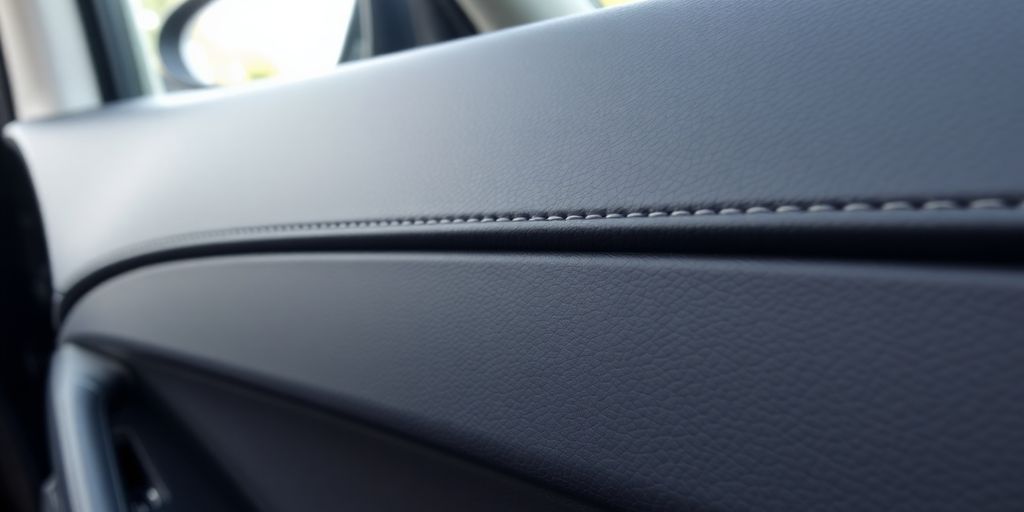
Okay, so everyone’s talking about making cars lighter these days, and the interior is a big part of that. It’s not just about fuel economy; lighter cars handle better and can even be safer. But how do you shave off those precious pounds without making the car feel cheap or flimsy? That’s the million-dollar question.
Lightweighting Through Advanced Polymer Composites
One of the biggest changes we’re seeing is the move toward advanced polymer composites. Forget heavy steel; we’re talking about materials that are strong but weigh next to nothing. Think carbon fiber, fiberglass, and other fancy plastics. These materials let designers create complex shapes and structures that would be impossible with traditional materials, and they do it while cutting weight. It’s not just about replacing metal parts with plastic; it’s about rethinking the entire design to use these materials in the most efficient way possible. For example, using PU sandwich panel machines can create lightweight yet strong components.
Impact of Material Selection on Fuel Efficiency
It might seem like a small thing, but every pound counts when it comes to fuel efficiency. The heavier the car, the more energy it takes to move it. By switching to lighter materials in the interior, automakers can significantly improve gas mileage. And it’s not just about saving fuel; lighter cars also produce fewer emissions, which is a big deal for meeting environmental regulations. Plus, consumers are demanding better fuel economy, so it’s a win-win. The use of PU sandwich panels contributes to lighter vehicle weights, enhancing fuel efficiency.
Structural Integration for Mass Optimization
Another trick that designers are using is structural integration. Instead of having a bunch of separate parts that are bolted together, they’re designing components that serve multiple functions. For example, a door panel might incorporate the armrest, speaker housing, and even some of the wiring harness. This reduces the number of parts needed, which saves weight and simplifies assembly. It’s all about being smart about how you use materials and design. This approach not only reduces weight but also improves the overall strength and rigidity of the interior.
Here’s a simple example of how material choices can impact weight:
| Material | Density (kg/m³) | Relative Weight |
|---|---|---|
| Steel | 7850 | 100% |
| Aluminum | 2700 | 34% |
| Carbon Fiber | 1600 | 20% |
| Polypropylene | 900 | 11% |
As you can see, switching from steel to polypropylene can dramatically reduce the weight of a component. It’s all about choosing the right material for the job.
Aesthetic and Functional Integration in Interior Systems
Achieving Premium Aesthetics with Cost-Effective Materials
Okay, so car companies want interiors that look and feel fancy without costing a fortune. It’s a tough balance, right? They’re always looking for materials that can give that high-end vibe without breaking the bank. Think about it: soft-touch plastics that mimic leather, or clever textures that make cheaper materials seem more luxurious. It’s all about creating an illusion of quality. Automakers are trying to find that sweet spot where design meets budget, and honestly, sometimes they nail it, and other times, well, you can tell where they cut corners. But the goal is always to make you feel like you’re getting a premium experience, even if the materials themselves aren’t top-of-the-line. PU Sandwich Panels are a great way to achieve this balance.
Design Flexibility with Molded-In-Color Applications
Molded-in-color is a game-changer. Instead of painting parts after they’re made, the color is part of the plastic itself. This means no more worrying about scratches showing a different color underneath, and it opens up a world of design possibilities. Car designers can get really creative with textures and patterns because they’re not limited by what paint can do. Plus, it’s way more durable and can actually save money in the long run since you’re skipping the whole painting process. It’s a win-win: better-looking interiors that last longer and cost less to produce. It’s pretty smart when you think about it. The use of polyurethane sandwich panels can also contribute to design flexibility.
The Role of Interior Design in Consumer Perception
Let’s be real: the inside of your car matters. It’s where you spend your time, so it needs to feel good. Car companies know this, and they put a lot of effort into making interiors that people will love. It’s not just about how things look; it’s about how they feel, how easy they are to use, and how safe they make you feel. A well-designed interior can make a huge difference in how people perceive a car. If the inside feels cheap or poorly designed, it can turn people off, even if the car drives great. On the flip side, a stylish, comfortable interior can make a car feel like a real upgrade. Ultimately, the interior is a key part of the overall driving experience, and car companies know that getting it right can make or break a sale.
Wrapping Up
So, we’ve looked at how car door panels are made. It turns out, polyurethane is a big player, but it’s not the only material out there. Car makers use a bunch of different plastics, like polypropylene and PVC, depending on what they need the part to do. They pick materials for things like how strong they are, how much they weigh, and if they can handle heat or chemicals. It’s all about finding the right balance for comfort, safety, and keeping costs down. The car industry keeps looking for new and better materials, especially ones that are lighter and more eco-friendly. It’s a pretty involved process, making sure everything inside your car works well and feels good.


