
Okay, so polyurethane panels… what are they really made of? It’s not just some magic foam, you know. It all starts with the chemistry. Polyurethane is a polymer, which basically means it’s a long chain of repeating units. These units are formed through a reaction called polymerization, where two main ingredients get together: a polyol and an isocyanate. Think of it like mixing two different liquids and ending up with something totally solid and foamy. The cool thing is, by tweaking the types of polyols and isocyanates, you can get polyurethanes with wildly different properties. Some are super flexible, others are rigid as a board. It’s all in the mix! The specific arrangement and type of chemical bonds formed during polymerization dictate the final characteristics of the PU sandwich panels, influencing everything from its density to its resistance to, well, pretty much anything.
Variations In Polyurethane Formulations
Not all polyurethane is created equal. There’s a whole spectrum of formulations out there, each designed for a specific purpose. You’ve got rigid foams, flexible foams, elastomers… the list goes on. The differences come down to the specific ingredients used and how they’re processed. For example, if you want a really tough, durable panel, you might use a formulation with a high cross-link density. That basically means the polymer chains are more tightly connected, making the material stronger. On the other hand, if you need something that can bend and flex, you’d go for a formulation with fewer cross-links. Additives also play a huge role here. Things like blowing agents (to create the foam structure), stabilizers (to prevent degradation), and, of course, flame retardants (which we’ll get to later) can all be added to tailor the properties of the final product. It’s like baking a cake – same basic ingredients, but you can end up with a million different results depending on what else you throw in. The versatility of polyurethane is what makes it so popular in construction, automotive, and even furniture industries. It’s really amazing how many different things you can do with it. The specific formulation impacts the future of prefabricated construction and its suitability for different applications.
Additives And Their Impact On Material Properties
So, we touched on additives, but let’s really get into it. These little guys are the unsung heroes of polyurethane panels. They’re added to the mix to tweak the material’s properties and make it suitable for specific applications. Flame retardants are a big one, obviously, since we’re talking about fire safety. But there are tons of other additives that can be used to improve things like UV resistance, thermal stability, and even the color of the panel. For example, adding UV stabilizers can prevent the polyurethane from breaking down in sunlight, which is super important for outdoor applications. Pigments can be added to give the panel a specific color, and fillers can be used to reduce the cost of the material or improve its mechanical properties. The type and amount of additive used can have a huge impact on the final performance of the panel. It’s a delicate balancing act, because some additives can also have negative effects, like reducing the material’s strength or making it more brittle. So, it’s important to choose the right additives and use them in the right amounts to get the desired result. Here’s a quick rundown of some common additives and their effects:
- Flame Retardants: Reduce flammability.
- UV Stabilizers: Improve resistance to sunlight.
- Pigments: Add color.
- Fillers: Reduce cost, improve mechanical properties.
Combustion Characteristics Of Polyurethane
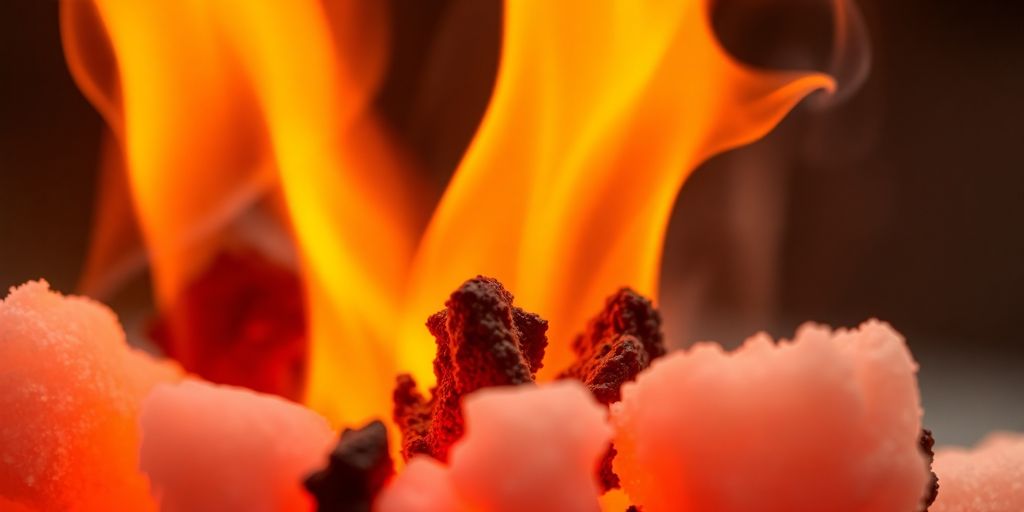
Alright, let’s get into how polyurethane actually burns. It’s not as simple as ‘it burns’ or ‘it doesn’t.’ There are a bunch of factors that come into play, and understanding them is key to figuring out the fire risk.
Ignition Temperature And Flammability Limits
So, first things first: what does it take to get polyurethane to catch fire? Well, it all starts with the ignition temperature. This is the minimum temperature needed for the material to ignite and sustain combustion. Polyurethane’s ignition temperature can vary depending on its specific formulation, but generally, it’s in a range that makes it susceptible to ignition from common sources like open flames or high heat. Once it ignites, the flammability limits define the range of fuel-air mixtures in which combustion can occur. If the mixture is too lean (not enough fuel) or too rich (too much fuel), it won’t burn. These limits are important because they dictate how easily a fire can start and spread.
Heat Release Rates During Combustion
Okay, so it’s burning. Now what? The heat release rate (HRR) tells us how quickly the fire is growing. HRR is basically the amount of heat released per unit of time, and it’s a critical factor in determining the intensity and spread of a fire. Polyurethane, when it burns, can release a significant amount of heat, which can quickly escalate a fire. Factors like density, thickness, and the presence of any fire retardants all play a role in determining the HRR. High HRR means a faster, more intense fire, which is obviously not what you want. If you are looking for a PU sandwich panel machine line, YZ has some great options.
Smoke And Toxic Gas Production
Here’s the really nasty part: what comes off polyurethane when it burns. It’s not just heat; it’s also smoke and toxic gases. The smoke can reduce visibility, making it harder to escape a fire, and the gases can be lethal. Common gases produced during polyurethane combustion include carbon monoxide, hydrogen cyanide, and nitrogen oxides. The exact composition and concentration of these gases depend on the specific polyurethane formulation and the conditions of the fire. These gases pose a significant threat to life, even in small concentrations. Choosing the right insulation methods can help mitigate these risks.
Fire Retardancy Mechanisms In Polyurethane Panels
Incorporation Of Flame Retardant Additives
So, when it comes to making polyurethane panels less likely to burn, one of the main things they do is mix in special chemicals called flame retardants. These aren’t just any chemicals; they’re specifically chosen to mess with the combustion process. Think of it like adding something to the recipe that makes the cake not rise – but in this case, it’s fire we’re trying to stop. There are tons of different flame retardants out there, and they all work a bit differently. Some of them release water when they get hot, which helps cool things down. Others create a protective layer that keeps oxygen away from the panel’s surface. And some even react with the gases that are released when the panel starts to burn, making them less flammable. It’s a whole chemical battle going on at a microscopic level. The effectiveness of these additives depends on a bunch of factors, like what kind of polyurethane is used, how much of the additive is mixed in, and what kind of fire we’re talking about. It’s not a one-size-fits-all solution, and fire-retardant additives need to be carefully selected to work best.
Intumescent Systems For Fire Protection
Okay, so intumescent systems are pretty cool. Basically, they’re like a secret weapon built right into the panel. When a fire starts, these systems kick into gear and start to swell up, forming a thick, bubbly layer on the surface of the panel. This layer acts like insulation, protecting the polyurethane underneath from the heat. It also helps to block oxygen from getting to the panel, which is crucial because fire needs oxygen to keep burning. The cool thing about intumescent systems is that they don’t just slow down the fire; they actually change the way the panel burns. Instead of going up in flames quickly, the panel chars slowly, giving people more time to escape and firefighters more time to put out the fire. These systems often include stuff like expandable graphite or ammonium polyphosphate, which are the ingredients that make the whole swelling action possible. It’s like watching a science experiment happen right in front of you, except it’s saving lives. The design of these systems is pretty important, and PU sandwich panel machines are used to make sure they work right.
Char Formation And Barrier Effects
Another way to protect polyurethane panels from fire is by encouraging them to form a layer of char on the surface when they’re exposed to heat. Char is basically a carbon-rich residue that’s left behind after the panel’s surface has been partially burned. This char layer acts as a barrier, slowing down the rate at which the fire can spread into the panel. It’s like building a wall out of ash to protect what’s underneath. The char layer is also pretty good at reflecting heat, which helps to keep the panel cooler and less likely to catch fire. Some flame retardant additives are specifically designed to promote char formation. They help the polyurethane to burn in a way that creates a strong, stable char layer, rather than just melting or dripping away. This is a pretty effective way to improve the fire resistance of polyurethane panels, especially when it’s combined with other fire protection strategies. It’s all about creating multiple layers of defense to keep the fire at bay.
Standardized Fire Testing Methodologies
ASTM E84 Surface Burning Characteristics
Okay, so when it comes to figuring out how well materials resist fire, the ASTM E84 test is a big deal. Basically, it’s a way to see how quickly flames spread across the surface of a material and how much smoke it makes. They stick the material in a long tunnel and then light a fire at one end. Then, they watch what happens. The speed at which the flames move and the amount of smoke produced are measured and compared to some standard materials. This gives the material a Flame Spread Index and a Smoke Developed Index. These indexes help determine if a material is safe to use in buildings.
Think of it like this: you’re trying to pick out new wall panels for your office. You want something that looks good, but you really want something that won’t go up in flames super fast if there’s a fire. The ASTM E84 test gives you some numbers to compare, so you can make a smart choice. Materials with lower Flame Spread and Smoke Developed Indexes are obviously better because they mean the fire will spread slower and there will be less smoke to choke on. It’s all about keeping people safe, right?
ISO 9705 Room Corner Test
The ISO 9705 test is another way to check how materials behave in a fire, but this time, it’s on a bigger scale. Instead of just testing a flat piece of material, they build a whole corner of a room using the material and then set it on fire. This gives a more realistic idea of what would happen in a real fire situation. They measure things like how quickly the temperature rises, how much heat is released, and how far the flames spread. This test is really useful for seeing how a material affects the growth of a fire in a room. It helps to understand the fire safety verification method of different materials.
Imagine you’re designing a new school. You need to make sure the classrooms are safe, so you want to know how the wall and ceiling materials will react if a fire starts. The ISO 9705 test can show you if the materials will help the fire grow quickly or if they will slow it down, giving people more time to escape. It’s a pretty intense test, but it gives you a much better picture of what could happen in a real-world fire.
Cone Calorimeter Analysis For Material Response
The Cone Calorimeter test is a pretty cool way to analyze how materials react to heat. Basically, you take a small sample of the material and expose it to a specific amount of heat. Then, you measure all sorts of things, like how quickly it starts to burn, how much heat it releases, how much smoke it makes, and what kind of gases it gives off. This test is great because it gives you a lot of detailed information about the material’s fire behavior.
Let’s say you’re trying to develop a new type of fire-resistant polyurethane panel. You can use the Cone Calorimeter to test different formulations and see which ones perform the best. You can tweak the ingredients and then run the test again to see if you’ve improved the material’s fire resistance. It’s like a science experiment, but with fire! The data you get from this test can help you make better, safer materials. Plus, it’s a good way to compare your material to others on the market. This is especially important when considering PU sandwich panels for construction.
Regulatory Frameworks And Building Codes
International Building Code Requirements
Okay, so when it comes to putting up buildings, especially with stuff like polyurethane panels, there are rules. Lots of them. The International Building Code (IBC) is like the main rulebook many places use. It spells out what’s okay and what’s not when it comes to fire safety. The IBC classifies construction types based on fire resistance. This means everything from how long walls can withstand fire to what kind of materials you can use is covered. For polyurethane panels, the IBC will look at things like how easily they catch fire, how much smoke they make, and how they’re installed. It’s all about making sure buildings are safe for people to live and work in. It’s worth noting that the IBC allows for five types of construction, each with different requirements for materials and fire resistance. These types range from Type I and II, where all building elements are non-combustible, to Type V, where structural elements can be made of any material permitted by the code. Understanding these classifications is key to ensuring compliance and safety.
National Fire Protection Association Standards
The National Fire Protection Association (NFPA) is another big player. They don’t make laws, but they create standards that are often adopted into law. Think of them as the experts who figure out the best ways to prevent fires and keep people safe. NFPA standards cover everything from fire sprinkler systems to how to handle hazardous materials. For polyurethane panels, NFPA standards might dictate how they need to be tested, how they should be installed, and what kind of fire protection measures need to be in place. It’s all about minimizing the risk of fire and making sure people can get out safely if a fire does happen. NFPA also provides guidance on fire-treated wood products, ensuring they meet specific flame spread and combustion requirements. These standards are continuously updated based on new research and fire incident data, reflecting the latest advancements in fire safety.
Regional Variations In Fire Safety Regulations
Here’s where things get a little tricky. While the IBC and NFPA provide a baseline, local areas can have their own rules. This means what’s okay in one city might not be okay in another. These regional variations can be due to all sorts of things, like local fire history, climate, or even just local politics. For example, a city with a lot of wildfires might have stricter rules about what kind of materials you can use on the outside of buildings. Or a city with older buildings might have different rules for renovations. So, when you’re working with polyurethane panels, you can’t just assume that you’re good to go if you meet the IBC and NFPA standards. You need to check with the local authorities to see if there are any sustainable building solutions or extra requirements you need to follow. It’s always better to be safe than sorry, especially when it comes to fire safety. High-density builders, for instance, might demand their liability insurance providers to reduce or not increase their insurance if they defend 100% of the lumber on new wood-framed building construction, influencing building codes to adopt less expensive ways of defending lumber from fire.
Mitigation Strategies For Fire Risk
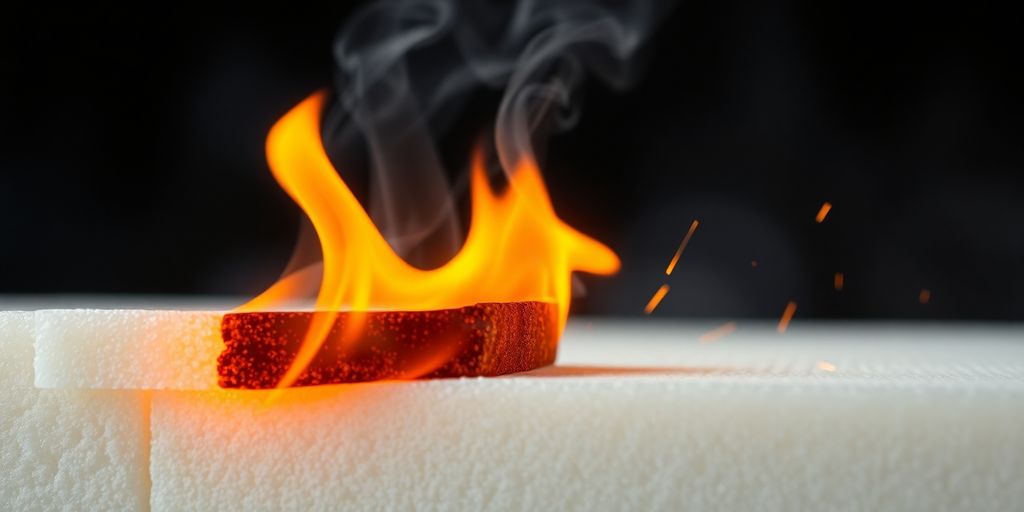
Design Considerations For Fire Safety
When it comes to building with polyurethane panels, thinking about fire safety right from the start is super important. It’s not just about slapping some panels together; it’s about how the whole building is designed to handle a fire. Things like how the building is laid out, where the exits are, and how easily firefighters can get in all play a big role. For example, wider corridors and multiple exits can help people escape quickly. Also, making sure there’s enough space around the building for fire trucks to maneuver can save precious time in an emergency. Using polyurethane sandwich panels in construction requires careful planning to minimize potential fire hazards.
Installation Practices And Compartmentation
How you put those polyurethane panels together matters a lot. Gaps and cracks? Big no-no. They can let fire spread like crazy. Proper sealing and joining techniques are key to stopping that. Think of it like building a fortress, but against fire. Compartmentation is another smart move. Basically, you’re dividing the building into sections with fire-resistant walls and doors. That way, if a fire does break out, it’s contained to one area, giving people more time to escape and firefighters a better chance to put it out. It’s like having firebreaks in a forest to stop a wildfire from spreading. The right installation can significantly improve PU Sandwich Panels performance in long-term projects.
Maintenance And Inspection Protocols
Okay, so the building is up, and everything looks good. Great! But the job’s not done. Regular check-ups are a must. We’re talking about inspecting those fire-resistant barriers, making sure fire doors are working right, and checking for any damage to the panels themselves. If you spot something, fix it ASAP. Think of it like taking your car in for regular maintenance – you’re preventing bigger problems down the road. Plus, having a clear maintenance schedule and sticking to it shows you’re serious about fire safety. Regular inspections are crucial for maintaining the fire resistance of polyurethane panel structures.
Advancements In Fire-Resistant Polyurethane Technology
Development Of Halogen-Free Flame Retardants
For a while, the go-to solution for making polyurethane less flammable was to add halogenated compounds. They worked pretty well, but there’s growing concern about the environmental impact and potential health risks associated with these substances. So, there’s been a big push to find alternatives that are just as effective but without the nasty side effects. Researchers are exploring all sorts of options, like phosphorus-based compounds, nitrogen-based compounds, and even some mineral fillers. The challenge is to get the same level of fire protection without compromising the other good qualities of polyurethane, like its flexibility and strength. It’s a tricky balancing act, but progress is definitely being made. These new flame retardant compositions aim to reduce smoke and toxic gas production during a fire, making them a safer choice overall.
Nanocomposite Materials For Enhanced Performance
Nanotechnology is making waves in a lot of fields, and fire safety is no exception. The idea here is to mix tiny, tiny particles – we’re talking nanometers – into the polyurethane matrix. These nanoparticles can do some pretty cool things. For example, they can improve the thermal stability of the material, meaning it can withstand higher temperatures before it starts to break down. They can also create a barrier effect, slowing down the spread of flames. Plus, some nanoparticles can even help to form a protective char layer on the surface of the polyurethane when it’s exposed to heat. This char layer acts like insulation, shielding the underlying material from further damage. It’s like giving the polyurethane a built-in suit of armor. Using PU Sandwich Panels with nanocomposites can significantly improve fire resistance in buildings.
Sustainable Approaches To Fire Safety
There’s a growing awareness that we need to think about the whole life cycle of materials, including their impact on the environment. That means finding fire safety solutions that are not only effective but also sustainable. One approach is to use bio-based materials as flame retardants. These are derived from renewable resources, like plants, which can reduce our reliance on fossil fuels. Another strategy is to design polyurethane panels so they can be easily recycled at the end of their life. This helps to reduce waste and conserve resources. It’s all about finding ways to make polyurethane safer and more environmentally friendly at the same time. It’s not always easy, but it’s an important goal. Here are some sustainable approaches:
- Using recycled materials in the production process.
- Developing closed-loop systems for polyurethane recycling.
- Employing life cycle assessment to evaluate environmental impact.
Conclusion
So, what’s the deal with polyurethane panels and fire? Well, it’s not super simple. These panels can burn, yeah, but how they burn really depends on a bunch of things. Like, what kind of polyurethane it is, if it has stuff in it to stop fires, and how it’s used in a building. It’s kind of like saying all wood burns the same way—it just doesn’t. Some wood burns fast, some slow, and some is treated to resist fire. Same idea here. The big takeaway is that if you’re using these panels, you gotta think about fire safety. It’s not just about the panel itself, but how it fits into the whole building’s fire plan. So, yeah, they can be combustible, but there are ways to make them safer. It’s all about picking the right stuff and putting it in the right place.


