
PU sandwich panels are kind of a big deal in modern architecture. They’re these layered panels with a core of polyurethane that really help with insulation and soundproofing. You see them in all sorts of buildings—homes, offices, factories. They’re lightweight, which makes them easy to install, and they come in a bunch of styles and colors. Whether you’re looking to cut down on energy bills or just want something that looks cool, these panels have got you covered. Plus, they’re pretty tough, so they last a long time without much upkeep.
Key Takeaways
- PU sandwich panels are versatile and used in residential, commercial, and industrial buildings.
- They offer excellent insulation, reducing energy costs and improving comfort.
- These panels come in various styles, allowing for aesthetic customization.
- They’re lightweight and durable, making installation quick and easy.
- PU sandwich panels contribute to sustainable building practices.
Understanding PU Sandwich Panels
Core Materials and Their Benefits
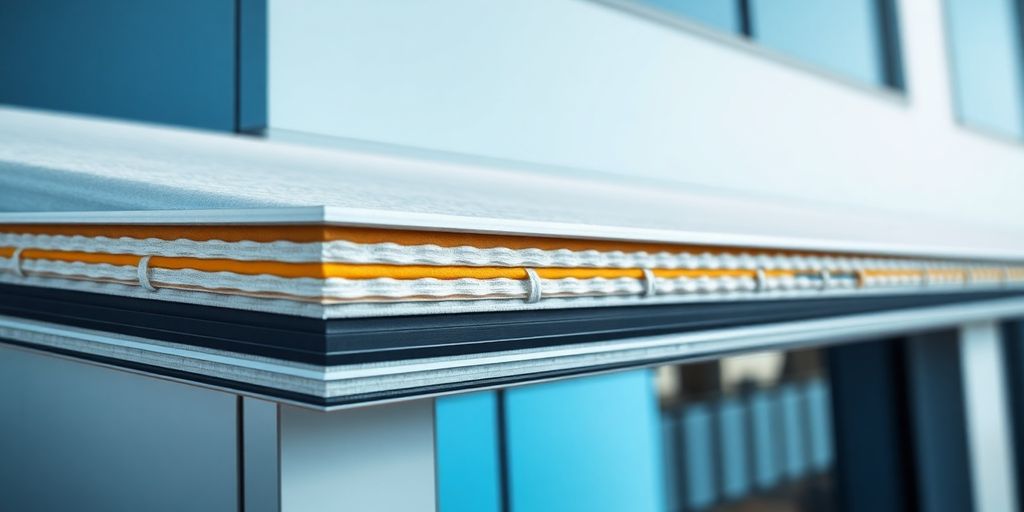
PU sandwich panels are characterized by their unique layered structure, consisting of a rigid polyurethane foam core sandwiched between two metal facings. This core material is highly prized for its exceptional thermal insulation properties, which play a crucial role in minimizing energy consumption across various building types. The foam core not only provides excellent insulation but also contributes to soundproofing, making these panels ideal for settings where noise reduction is important.
- Thermal Insulation: The polyurethane core significantly reduces heat transfer, helping maintain comfortable indoor temperatures year-round.
- Sound Insulation: By dampening noise, these panels create quieter indoor environments.
- Lightweight: Despite their robust insulation properties, PU sandwich panels are remarkably lightweight, facilitating easier handling and installation.
Types of PU Sandwich Panels
There are several types of PU sandwich panels available, each suited for different applications. These include:
- Wall Panels: Primarily used for exterior and interior walls, offering both insulation and aesthetic appeal.
- Roof Panels: Designed to withstand weather conditions while providing thermal and acoustic insulation.
- Cold Storage Panels: Specialized for environments that require strict temperature control, such as refrigerated warehouses.
Each type can be further customized with different finishes and coatings, allowing for a wide range of design possibilities.
Key Features and Specifications
PU sandwich panels come with a set of features that make them stand out in modern construction:
- Fire Resistance: Many PU panels are available in fire-retardant formulations, meeting stringent safety standards to protect occupants and assets.
- Durability: Engineered to withstand various environmental factors, these panels resist moisture, UV exposure, and temperature fluctuations.
- Versatility: Available in various dimensions and finishes, they can be tailored to fit the specific needs of any project, from industrial buildings to residential homes.
With their blend of insulation, durability, and design flexibility, PU sandwich panels are revolutionizing the construction industry, offering solutions that are both cost-effective and environmentally friendly.
Residential Applications of PU Sandwich Panels
Enhancing Home Insulation
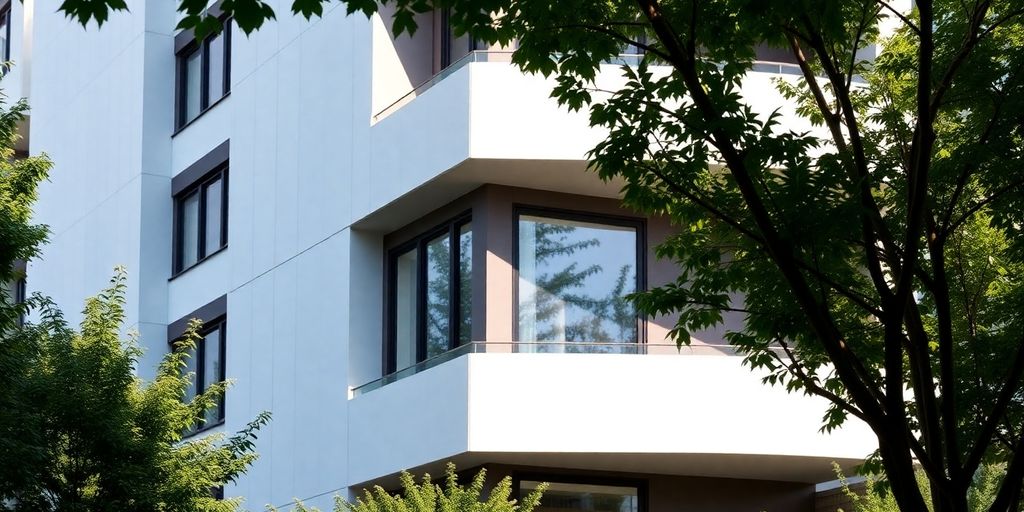
PU sandwich panels are a game-changer when it comes to making homes more energy-efficient. These panels offer superb insulation, keeping homes warm in the winter and cool in the summer. This means homeowners can save a bundle on heating and cooling costs. The panels are crafted with a core of polyurethane foam, known for its excellent thermal properties. They not only help maintain a comfy indoor climate but also cut down on energy use, which is a win for both the wallet and the environment.
Aesthetic Customization Options
These panels aren’t just about function; they’re about style too. PU sandwich panels come in a variety of finishes and textures, allowing homeowners to customize the look of their homes. Whether you’re aiming for a sleek, modern vibe or something more rustic, there’s a panel to match your vision. The panels can be tailored with different colors and patterns, making it easy to create a unique aesthetic that stands out. Plus, their lightweight nature makes them easy to install, which is a bonus for any renovation project.
Case Studies in Residential Use
Let’s dive into some real-world examples. In a suburban neighborhood, a family opted for PU sandwich panels to revamp their home’s exterior. The result? A stunning facade that not only looks great but also keeps the house cozy year-round. Another case involved a couple in the city who used these panels for interior walls, achieving a modern look with minimal effort. These case studies highlight the versatility and practicality of PU sandwich panels in residential settings.
Commercial Uses of PU Sandwich Panels
Improving Energy Efficiency in Offices
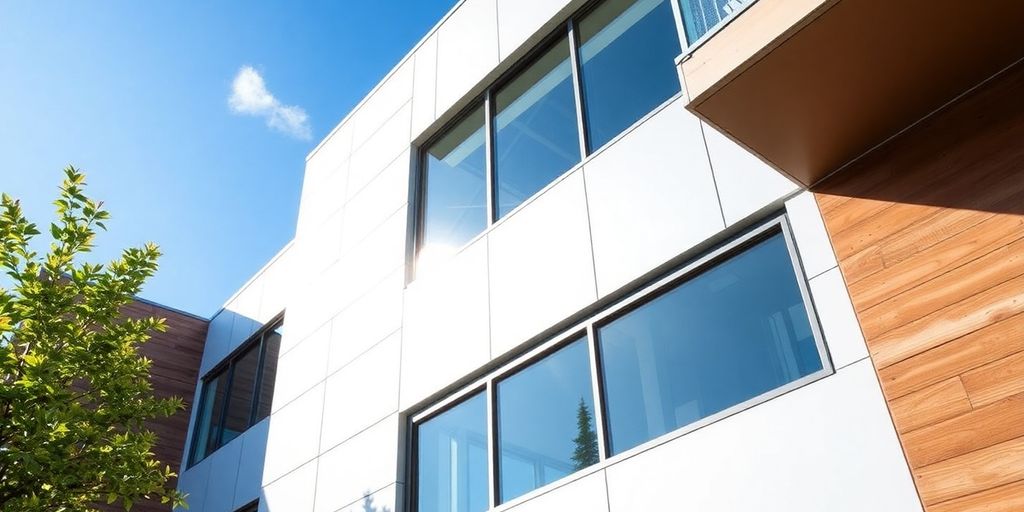
Office buildings are always on the lookout for ways to cut down on energy costs. PU sandwich panels are a game-changer in this area. These panels are excellent insulators, helping to maintain a stable indoor temperature regardless of the weather outside. This means less reliance on heating and cooling systems, which translates to lower energy bills. The panels’ ability to keep the heat in during winter and out during summer makes them ideal for office environments. Plus, the long-term savings on energy costs can be significant.
Design Flexibility for Retail Spaces
Retail spaces often need to stand out and attract customers, and PU sandwich panels offer just the right mix of style and functionality. With a wide array of textures and colors available, these panels allow for creative freedom in design. Whether it’s a sleek, modern look or something more traditional, the panels can be customized to fit any aesthetic. They’re also lightweight, which means they can be installed quickly and with minimal disruption to business operations. This flexibility makes them a popular choice among architects and designers.
Notable Commercial Projects
PU sandwich panels have been used in numerous high-profile commercial projects around the world. For instance, retail giants and corporate headquarters have opted for these panels to enhance their buildings’ energy efficiency and aesthetic appeal. The panels’ durability and resistance to environmental factors like moisture and UV rays make them a reliable choice for long-term use. In addition, their quick installation process helps keep construction timelines on track, which is crucial for large-scale projects.
In commercial architecture, PU sandwich panels are not just about insulation—they’re about creating spaces that are both functional and visually appealing. Their versatility and efficiency make them a staple in modern commercial construction.
Industrial Applications of PU Sandwich Panels
Thermal Regulation in Warehouses
When it comes to warehouses, maintaining a stable temperature is crucial. PU sandwich panels are a go-to choice due to their excellent thermal insulation properties. These panels help keep the indoor climate consistent, which is especially important for storing temperature-sensitive goods. They act as a barrier against extreme weather conditions, ensuring the interior remains unaffected by the outside temperature swings. This not only protects the stored goods but also helps in reducing energy costs by minimizing the need for additional heating or cooling.
Durability in Harsh Environments
Industries often operate in challenging conditions, and the materials used in their construction need to withstand these environments. PU sandwich panels are known for their robustness and durability. They can endure harsh weather, resist moisture, and are not easily damaged by physical impacts. This makes them ideal for factories and industrial plants where the environment can be tough on building materials. The panels’ resilience means less frequent replacements and repairs, which translates to cost savings over time.
Examples of Industrial Installations
- Food Storage Facilities: These panels are used in cold storage warehouses where maintaining a specific temperature is vital for preserving food quality.
- Manufacturing Plants: PU sandwich panels provide the necessary insulation and durability to withstand the demands of heavy machinery and production processes.
- Logistics Centers: In these hubs, the panels help in maintaining an optimal environment for storing and organizing goods, ensuring they are ready for swift distribution.
In the industrial sector, PU sandwich panels are not just about insulation; they are about creating a controlled environment that enhances productivity and efficiency. Their ability to withstand demanding conditions while providing excellent thermal regulation makes them an indispensable part of modern industrial architecture.
Innovative Design Possibilities with PU Sandwich Panels
Architectural Trends and Innovations
PU sandwich panels are really shaking things up in the world of architecture. They’re not just about insulation anymore; they’re about making a statement. Imagine a building that looks like it’s from the future, sleek and modern, all thanks to these panels. Architects love them because they can play around with different textures and colors, creating designs that stand out. Plus, these panels are lightweight, which means they can be used in all sorts of ways, even in places where heavy materials just wouldn’t work.
Customization and Aesthetic Appeal
One of the coolest things about PU sandwich panels is how customizable they are. Want a panel that looks like wood but has the benefits of modern materials? You got it. Or maybe something that mimics stone? No problem. These panels can be tailored to fit any aesthetic need, making them perfect for both traditional and contemporary designs. This customization extends to size and shape, allowing for unique architectural features that wouldn’t be possible with conventional materials.
Future Prospects in Modern Architecture
Looking ahead, PU sandwich panels are set to become even more integral to modern architecture. With the rising market demand for energy-efficient and sustainable building solutions, these panels are at the forefront of innovation. They’re not just about looking good; they’re about doing good too. By reducing energy consumption and allowing for creative architectural designs, PU sandwich panels are paving the way for a new era in building design. The future is bright, and it’s covered in PU sandwich panels.
Sustainability and Environmental Impact
Energy Efficiency and Cost Savings
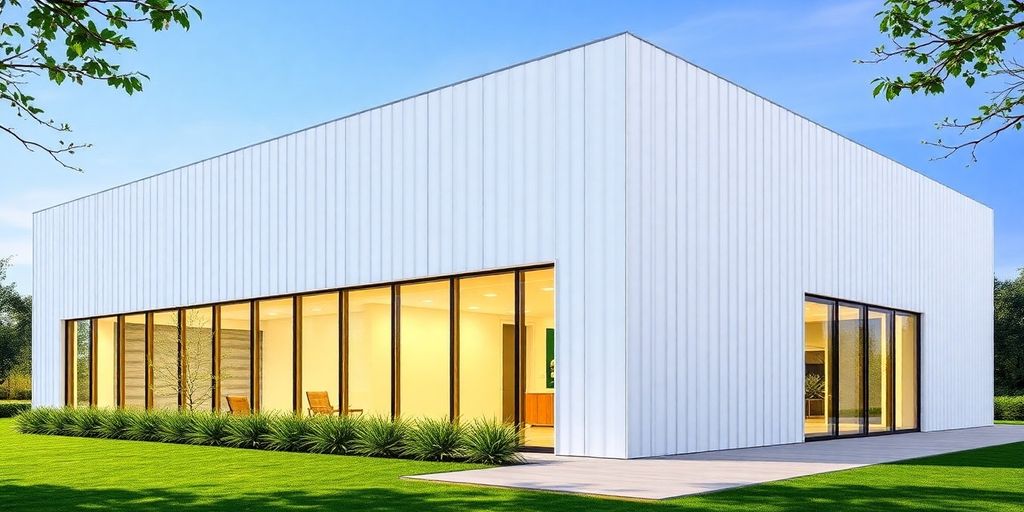
PU sandwich panels are a game-changer when it comes to energy efficiency. These panels help maintain a consistent indoor temperature, reducing the need for heating and cooling systems. This translates to significant cost savings on energy bills. By minimizing heat transfer, they create a well-insulated environment that supports sustainable living.
Use of Sustainable Materials
Many PU sandwich panels incorporate materials that are recyclable or biodegradable, aligning with eco-friendly construction practices. Manufacturers are increasingly focusing on using sustainable resources, which reduces the carbon footprint of the building process. This is a step towards more responsible and environmentally conscious construction.
Contribution to Green Building Practices
These panels play a crucial role in green building certifications and practices. Their insulation properties not only enhance energy efficiency but also contribute to the overall sustainability of the building. Using PU sandwich panels can be a strategic choice for those aiming to meet stringent environmental standards and achieve green building certifications.
Incorporating PU sandwich panels into construction projects is not just about efficiency; it’s a commitment to a greener future. As the construction industry evolves, these panels will continue to be a pivotal element in sustainable architecture.
Conclusion
So, there you have it. PU sandwich panels are really changing the game in architecture. They’re not just about looking good; they’re practical too. Whether it’s a cozy home, a sleek office, or a bustling factory, these panels fit right in. They help keep things warm, cut down on noise, and even save on energy bills. Plus, they’re easy to work with, which is a win for builders. As we move forward, it’s clear these panels will keep playing a big role in how we design and build. They’re a solid choice for anyone looking to mix style with substance in their projects.
Frequently Asked Questions
What are PU sandwich panels made of?
PU sandwich panels are made with a core of polyurethane foam, which provides excellent insulation, and are covered with durable outer layers like metal or plastic.
How do PU sandwich panels help with energy efficiency?
The polyurethane core in PU sandwich panels reduces heat transfer, keeping indoor temperatures steady and cutting down on heating and cooling needs, which saves energy.
Can PU sandwich panels be used in homes?
Yes, PU sandwich panels are great for homes. They improve insulation, help save on energy bills, and can be customized to look nice in different home designs.
Are PU sandwich panels fire-resistant?
Some PU sandwich panels are designed to be fire-resistant, using special materials that help prevent the spread of fire, making them safer for buildings.
What are the benefits of using PU sandwich panels in construction?
PU sandwich panels offer great insulation, reduce building time, allow for design flexibility, and are durable and cost-effective. They also support energy-efficient building practices.
How do PU sandwich panels support green building practices?
PU sandwich panels support green building by providing good insulation, reducing energy use, and being made with sustainable materials, which lowers their environmental impact.


