

Welding woven wire mesh can seem tricky, but with the right techniques, anyone can master it. And that’s why we make this guide on woven wire mesh welding techniques. Many may think that they know what is wire mesh welding machine, and they can control and operate it well. But if you don’t know these skills, you might have poor results and damage the entire wire mesh. You may even hurt yourself by accident. So we make this professional insight about wire mesh welding techniques to help you better control your wire mesh welding machines and improve your machine’s efficiency, especially in large-scale construction programs.
If you have any questions related to our techniques or need a wire mesh welding machine, feel free to contact us. As we’ve been manufacturing wire mesh welding machines for decades, we know the best practices of it and how to maximize it’s potential. Of course, welder’s skill is important as well.
This article covers five popular welding methods that work well with woven wire mesh, especially copper. Each method has its own strengths, and understanding them can help you choose the best one for your project. Whether you’re a beginner or have some experience, these tips will guide you through the process of welding effectively and safely.
Key Takeaways
- Spot welding is great for quick joins and works well with thicker materials.
- TIG welding offers precision and control, making it ideal for detailed work.
- MIG welding is fast and efficient, suitable for larger projects.
- Plasma welding is versatile and can handle various materials, including fine meshes.
- Soldering is a low-heat option that is perfect for delicate mesh without damaging it.
1. Spot Welding
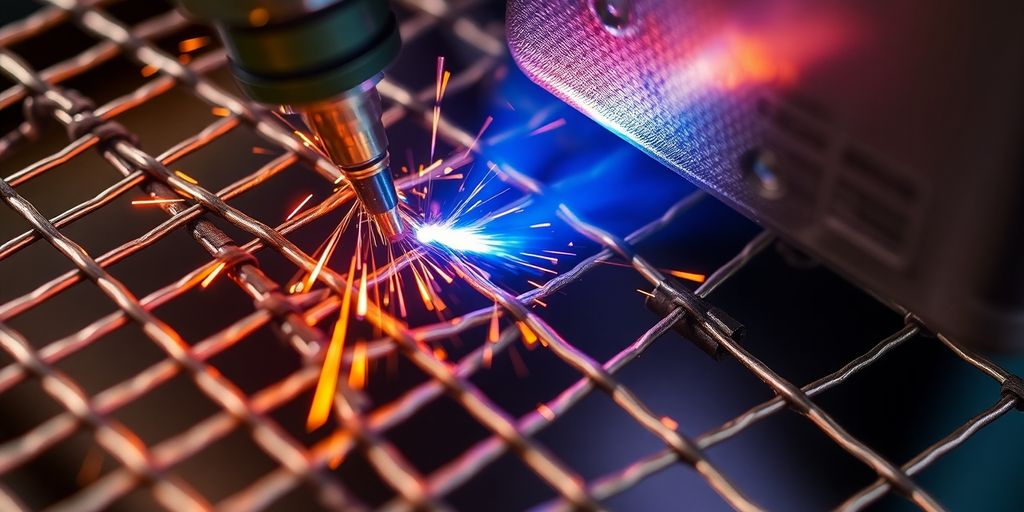
Spot welding is a popular technique used for joining metal pieces, especially in woven wire mesh applications. This method is efficient and creates strong bonds quickly.
How Spot Welding Works
In spot welding, two metal pieces are joined by applying heat and pressure at specific points. Here’s how it typically works:
- Preparation: Ensure the surfaces to be welded are clean and free from rust or dirt.
- Alignment: Position the mesh and the base material correctly.
- Welding: Use a spot welder to apply heat at the contact points, creating a weld.
Advantages of Spot Welding
- Speed: It allows for quick welding, making it ideal for mass production.
- Strength: Creates strong joints that can withstand stress.
- Minimal Heat Affected Zone: Reduces the risk of warping the surrounding material.
Considerations for Spot Welding
- Material Thickness: Ensure the thickness of the materials is suitable for spot welding.
- Electrode Pressure: Adjust the pressure applied by the electrodes to avoid damaging the mesh.
- Cooling Time: Allow adequate cooling time between welds to maintain quality.
Spot welding is a great choice for projects requiring speed and strength, especially when working with woven wire mesh.
2. TIG Welding
TIG (Tungsten Inert Gas) welding is a precise method that is great for working with woven wire mesh. This technique is especially useful for thinner materials. It uses a non-consumable tungsten electrode and an inert gas, like argon, to protect the weld area from contamination.
Key Benefits of TIG Welding
- Precision: Allows for detailed work, making it ideal for intricate designs.
- Clean Welds: Produces high-quality, clean welds without much spatter.
- Versatility: Can be used on various metals, including aluminum and stainless steel.
Steps for Effective TIG Welding
- Prepare the Surface: Clean the mesh thoroughly to remove any dirt or oxidation.
- Set Up the Welder: Adjust the amperage and gas flow according to the material thickness.
- Weld with Care: Keep a steady hand and maintain the right angle to ensure a good weld.
Remember, practice makes perfect! Take your time to master the technique for the best results.
3. MIG Welding
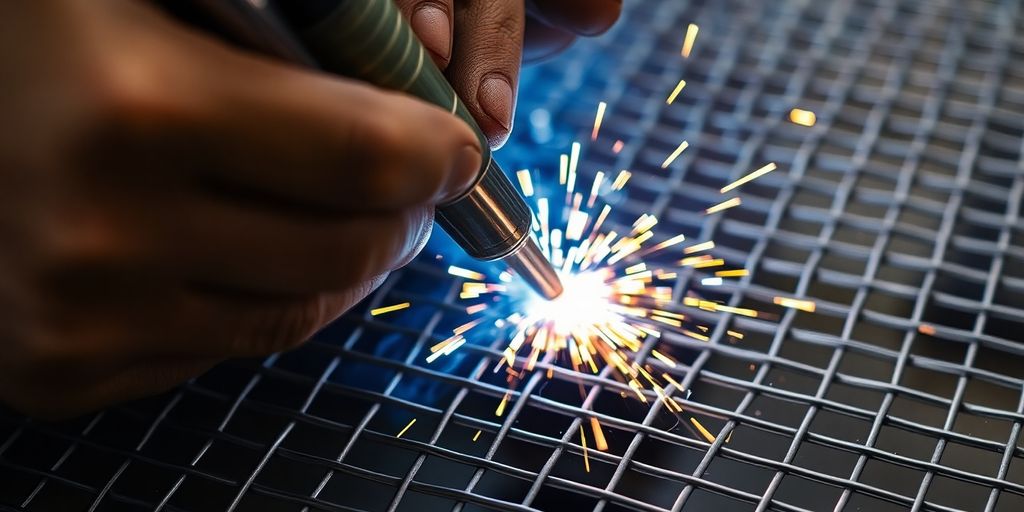
MIG welding, or Metal Inert Gas welding, is a popular method for joining woven wire mesh. It is known for its speed and efficiency, making it a favorite among welders. This technique uses a continuous wire feed to create a weld, which can be very effective for mesh applications.
Key Benefits of MIG Welding
- Speed: MIG welding is faster than many other welding methods.
- Ease of Use: It is easier to learn, making it suitable for beginners.
- Versatility: Works well with various materials, including different types of wire mesh.
Important Considerations
- Wire Selection: Choose the right type of wire for your mesh material.
- Shielding Gas: Use a suitable gas mix, typically argon and carbon dioxide, to protect the weld.
- Welding Speed: Adjust your speed to ensure a strong bond without burning through the mesh.
MIG welding is a great choice for those looking to efficiently weld woven wire mesh, but practice is key to mastering the technique.
4. Plasma Welding
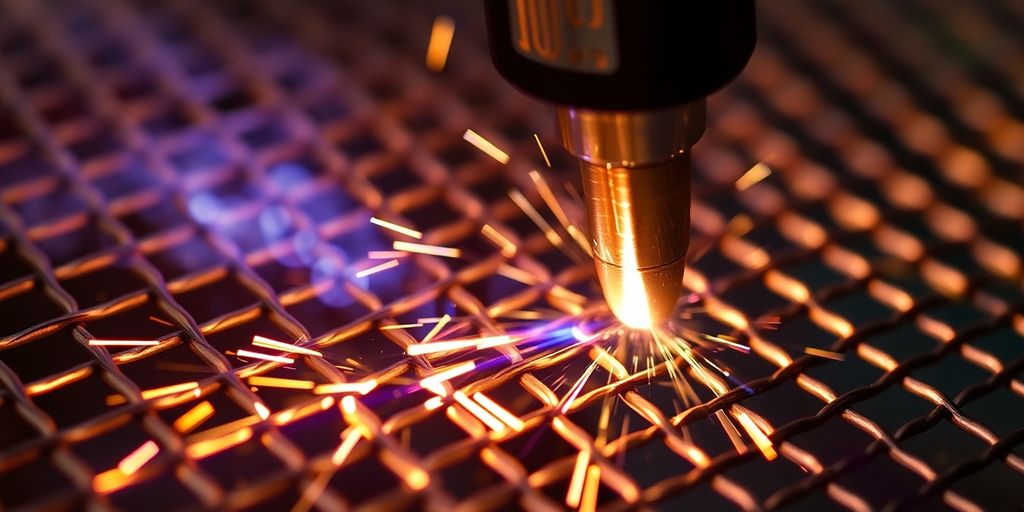
Plasma welding is a powerful technique used for joining metals, especially in projects involving woven wire mesh. This method is known for its precision and ability to create strong welds.
Key Features of Plasma Welding
- High Temperature: Plasma welding can reach extremely high temperatures, making it suitable for various metals.
- Control: The process allows for better control over the weld, which is essential for thin materials like wire mesh.
- Versatility: It can be used on different types of metals, including copper and aluminum.
Steps for Effective Plasma Welding
- Preparation: Clean the surfaces to be welded to remove any dirt or oxidation.
- Setup: Adjust the plasma welder settings according to the material thickness.
- Welding: Maintain a steady hand and consistent speed while welding to ensure a uniform bead.
- Cooling: Allow the weld to cool naturally to avoid cracking.
Plasma welding is not just about heat; it’s about precision and technique. Mastering this method can lead to high-quality results in your projects.
5. Soldering
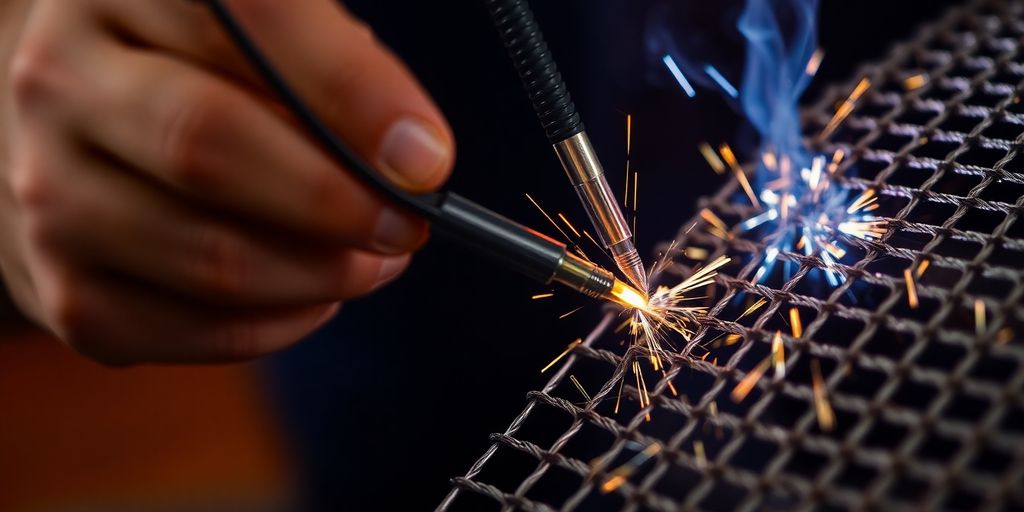
Soldering is a popular technique used to join metal parts, especially in creating woven wire mesh. It is often favored for its simplicity and effectiveness. This method involves melting a filler metal, known as solder, to bond the pieces together. Here’s what you need to know:
Key Characteristics of Soldering
- Low Temperature: Soldering typically occurs at lower temperatures compared to welding, making it suitable for delicate materials.
- Versatility: It can be used on various metals, including copper, brass, and silver.
- Ease of Use: Many beginners find soldering easier to learn than other welding techniques.
Steps for Successful Soldering
- Preparation: Clean the surfaces to be joined. Use a wire brush or sandpaper to remove any oxidation.
- Heat the Joint: Use a soldering iron to heat the area where the metals meet.
- Apply Solder: Once the joint is hot enough, feed solder into the joint until it flows and fills the gap.
- Cool Down: Allow the joint to cool naturally without disturbance.
Safety Tips
- Wear Protective Gear: Always use safety glasses and gloves to protect yourself from hot solder and fumes.
- Work in a Ventilated Area: Ensure good airflow to avoid inhaling harmful fumes.
- Keep Tools Organized: A tidy workspace helps prevent accidents.
Soldering is a skill that improves with practice. Start with small projects to build your confidence and technique.
Conclusion
In conclusion, welding copper woven wire mesh can be a tricky but rewarding task. With the right techniques and a bit of practice, you can create strong and attractive welds. Remember to take your time and pay attention to detail, especially when working with delicate materials. Whether you’re using it for pest control, electronic shielding, or artistic projects, understanding the properties of copper mesh will help you succeed. Keep learning and experimenting, and soon you’ll be welding like a pro!


